Installing a receptacle described as waterproof does not by itself create a sealed USB-C port. The finished enclosure introduces additional interfaces, including the connector-to-panel joint, fasteners and possible leakage paths around the PCB. Treat each path as an explicit design responsibility.
For candidates in the USB-C product family, obtain the actual sealing section and test configuration. A family label or catalog drawing link is not evidence that every model has a verified ingress rating or that a rating applies in every assembled state.

Figure 1. CZT Type-C exterior illustrates a connector-to-enclosure interface. Visible shell geometry alone does not establish a waterproof construction or assembled protection rating. CZT source · Original image.
Map the possible water paths
Draw a section through the installed connector. Mark the mating opening, connector body, panel interface and any route toward the equipment interior. Separate a seal inside the connector from a gasket compressed by the enclosure.
Then identify the operating states. A port with an inserted cable, an open port and a port protected by a cap may expose different paths. Record which states the product must withstand and which protective parts are mandatory during use.
This prevents an interface test conducted with a special cap from being misread as evidence for an uncovered charging port.
Establish the gasket compression stack
Use the approved gasket material and geometry to define the intended compression window. Include enclosure flatness, connector position, fastening sequence and the relevant manufacturing tolerances. Nominal contact between two surfaces is not a controlled seal.
| Design input | Question for review |
|---|---|
| Gasket drawing | What establishes its compressed height? |
| Panel geometry | Are surface finish and flatness controlled? |
| Fastening | Does assembly produce repeatable compression? |
| Connector location | Can tolerance move the seal out of position? |
| Service access | What happens after the port is repaired? |
Do not fill a geometric gap with an unspecified adhesive and assume the original result still applies. Adhesive selection and curing become part of the new assembly definition.
Validate the assembled equipment
Use a representative enclosure, production-intent seal and actual assembly sequence. Document sample identities before the test. After exposure, inspect the agreed internal locations and perform the electrical checks required by the product plan.
A hypothetical outdoor terminal could pass an initial enclosure trial yet leak after its USB board is replaced. That finding would point to the service process or replacement seal as another qualification condition. It would not be resolved by repeating the original new-unit trial unchanged.
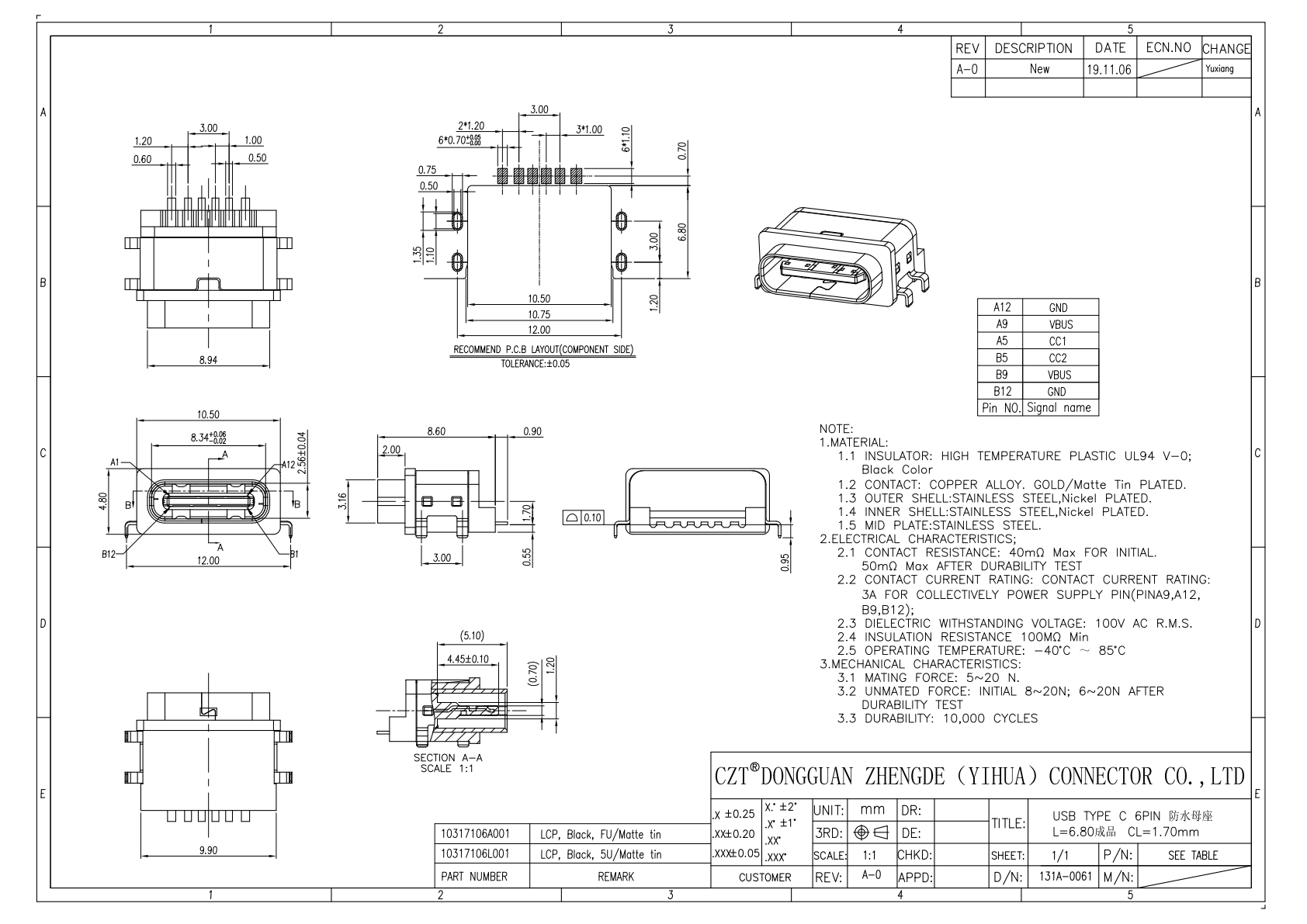
Figure 2. Official Type-C drawing provides dimensions for discussing enclosure integration; seal details and finished-assembly verification require the exact proposed construction. CZT source · Original PDF, page 1.
Keep the claim tied to its evidence
An acceptance report should state the exposure method, sample condition, mating state and post-test checks. Identify who supplies each sealing part and who controls its installation. Missing information should remain an open action rather than an assumed pass.
Before approving a different connector or gasket, compare the actual sealing geometry and assembly requirements. Similar exterior dimensions are not enough to inherit the previous equipment result. This evidence-based boundary makes the final sealing claim specific enough for design reviews, purchasing and maintenance instructions.
Connect this review to CZT product information
Start with the relevant CZT product family and provide the original interface reference or controlled drawing. Ask which configurations and supporting documents are available for the task described here. Confirm the mating arrangement, required features and project conditions before choosing an orderable part.
Browse the relevant product family · View catalog resources
Discuss a drawing, sample or quotation
Share the part or family reference, current drawing revision, operating conditions and quantities. Include the specific checks described in this article so the inquiry identifies both the component and the evidence needed for your decision. Confirm sample availability and the proposed scope with the supplier.
Request a technical review or quotation
For broader context, read the related selection guide.