Choose between welded and bolted ESS busbar joints by comparing the actual manufacturing, inspection and service requirements. Neither method is universally preferable. A useful decision matrix asks how the joint will be built, checked, repaired and integrated into the product throughout its life.

Figure 1. CZT battery connection strips provide an example for discussing permanent-joint access and inspection boundaries; the joining process is not established by the photo. CZT source · Original image.
Begin with access and service requirements
Identify whether the joint must be disconnected during manufacturing, testing or maintenance. A bolted construction can provide a defined disassembly route if the design and procedure permit it. A permanent joint may simplify some assemblies while requiring a different replacement strategy when a neighboring component fails.
Show the available access for fastening or joining equipment. Include tool approach, reaction forces, fixturing and the sequence of adjacent assembly steps. A joint that is easy to demonstrate on a bench may become impractical after the enclosure and terminals are installed.
Compare process control and inspection
For a welded proposal, request the actual joining process, qualified material combination and agreed inspection approach. Define what can be checked on every production joint and what depends on destructive sampling. A weld's appearance alone may not settle its internal quality.
For a bolted proposal, define hardware, contact surfaces, assembly sequence and tightening control. Ask how the process records are linked to the assembly. A completed torque-tool cycle is evidence of that operation, not automatically proof that the correct stack and contact faces were present.
Use a production decision matrix
| Decision factor | Welded proposal | Bolted proposal |
|---|---|---|
| Equipment access | Joining head and fixture envelope | Tool and reaction access |
| Process evidence | Parameters and validated inspection | Stack and tightening records |
| Rework | Defined removal or replacement route | Controlled disassembly and reuse policy |
| Production flow | Fixture loading and joining cycle | Hardware handling and assembly cycle |
| Qualification | Joint-specific electrical and mechanical evidence | Joint-specific electrical and mechanical evidence |
Fill the cells with actual proposals rather than generic scores. A low assumed labor time is not useful if the proposed factory lacks the required validated process.
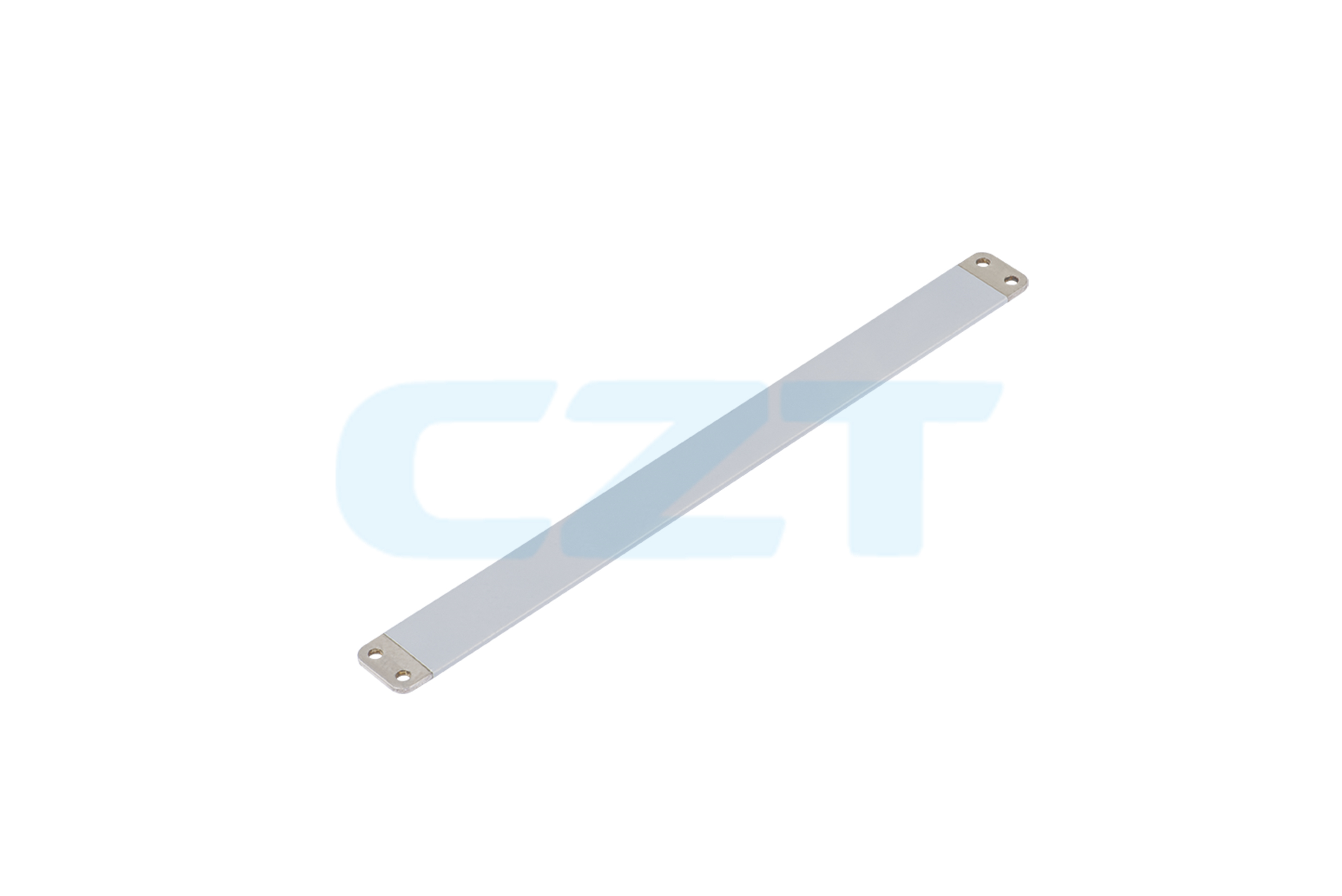
Figure 2. CZT rigid busbar end interfaces provide contrasting assembly geometry for reviewing tool access, fastening control and service requirements. CZT source · Original image.
Validate cost and performance together
Compare sample and production costs on the same boundary, including tooling, inspection, traceability and scrap or rework assumptions. Then verify the chosen joint under the intended electrical, thermal and mechanical conditions. Avoid treating a manufacturing-cost comparison as a substitute for joint qualification.
CZT's busbar and energy-storage family includes construction references suitable for an engineering inquiry. Confirm the actual joining methods available for the proposed materials; the catalog labels do not prove a particular welding capability.
Consider production accessibility after the entire product is assembled. A method that looks fast at the subassembly stage can create extra handling or inspection work later. Compare total assembly flow rather than timing only the moment when the electrical joint is made.
Record why the selected method fits the product's access, quality and service requirements. If those requirements change, revisit the matrix. A design that originally needed no field disassembly may require a different joint strategy when the product becomes modular or its service plan changes.
Connect this review to CZT product information
Start with the relevant CZT product family and provide the original interface reference or controlled drawing. Ask which configurations and supporting documents are available for the task described here. Confirm the mating arrangement, required features and project conditions before choosing an orderable part.
Browse the relevant product family · View catalog resources
Discuss a drawing, sample or quotation
Share the part or family reference, current drawing revision, operating conditions and quantities. Include the specific checks described in this article so the inquiry identifies both the component and the evidence needed for your decision. Confirm sample availability and the proposed scope with the supplier.
Request a technical review or quotation
For broader context, read the related selection guide.