Prevent APC/UPC procurement errors by specifying the actual end-face polish at every mating interface. Connector color is a useful visual aid, but it is not a complete purchase or inspection specification. Record connector family, polish and the mating counterpart separately so that a familiar housing cannot hide an incompatible contact geometry.
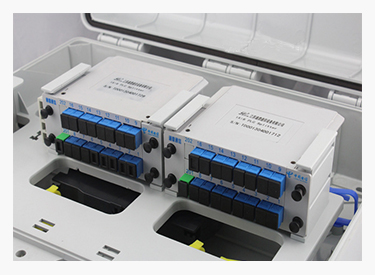
Figure 1. Official optical-distribution example provides application context for checking each local connector interface; housing appearance does not establish the pictured polish type. CZT source · Original image.
Specify each end independently
A cable may legitimately have different connector constructions at its two ends when each matches its local counterpart. Describe both ends explicitly. Do not confuse that arrangement with directly mating dissimilar polish types at the same connection.
Fluke Networks' APC testing explanation states that APC and UPC end faces should not be mated together and notes the potential for poor performance and damage. Use the actual equipment-port documentation to identify which construction is required.
Make the BOM unambiguous
Write a complete end-A and end-B definition, including connector family, polish, fiber type and any relevant keying. Link the ordering code to a controlled drawing. If a supplier proposes a different code, require a documented cross-reference rather than accepting a color match.
CZT's fiber-optic product family can be used for consultation. Its identified SC-to-FC cable listing does not, by its family name alone, establish an APC/UPC construction or a replacement for an LC or other interface. Request confirmation for the exact proposal.
A procurement and inspection checklist
| Stage | Error-prevention action |
|---|---|
| Design | Define the equipment-side mating polish |
| RFQ | Specify each cable end separately |
| Quotation | Check ordering code against drawing |
| Receiving | Verify identity, marking and required inspection evidence |
| Assembly | Keep differing interface types segregated and labeled |
| Replacement | Identify both the removed part and its counterpart |
Select inspection equipment and adapters suitable for the actual end-face geometry. A poor image from an unsuitable inspection tip should not be treated as evidence that a connector is defective or clean.
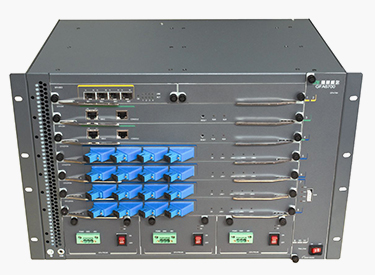
Figure 2. Official optical-equipment example illustrates several distinct port locations. Confirm each mating interface from its documentation before ordering an APC or UPC variant. CZT source · Original image.
Control the interface after substitution
Review substitute parts against the equipment port and the rest of the optical path. A test report from another polish variant is not automatically applicable. Keep any approved differences explicit in the parts list and work instructions.
For example, a hybrid cable with one SC/APC end and one LC/UPC end may be proposed to connect two appropriately specified local interfaces. That does not authorize an APC-to-UPC direct mating at either end. The drawing should show both local pairs so that the distinction is visible to purchasing and assembly.
Keep packaging segregation consistent with the BOM definitions. If two variants share a similar outer body, storage labels should identify the optical interface and approved use. A color-based bin location alone can be lost when parts are repacked for production.
Release the purchase only after the part identity, end-by-end specification and intended mating map agree. This prevents a small naming omission from becoming a damaged port or an avoidable optical-loss investigation.
Connect this review to CZT product information
For LC, MPO, polish or polarity requirements, start with the fiber-optic product family. The available SC-to-FC assembly record is a different interface and is not presented here as a matching LC or MPO part. Ask CZT to confirm the exact configuration and available documentation.
Browse the relevant product family · View catalog resources
Discuss a drawing, sample or quotation
Share the part or family reference, current drawing revision, operating conditions and quantities. Include the specific checks described in this article so the inquiry identifies both the component and the evidence needed for your decision. Confirm sample availability and the proposed scope with the supplier.
Request a technical review or quotation
For broader context, read the related selection guide.