A fiber-pigtail procurement drawing should define the optical end, free-fiber geometry and measurement datums separately. A description such as single-mode pigtail with a requested length leaves important manufacturing and acceptance details unspecified. The supplier needs to know what will be installed, where it will be routed and which dimensions govern termination work.
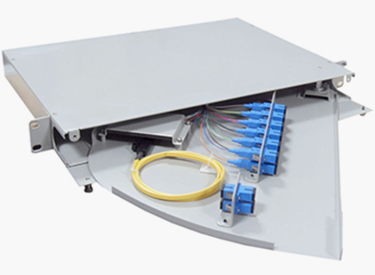
Figure 1. Official splice-and-distribution unit provides context for routing and prepared-fiber lengths when defining a pigtail procurement drawing. CZT source · Original image.
Define the complete construction
Identify the fiber type, connector family, polish and any relevant buffer or jacket construction. Specify the connector-side boot and the intended free end. If a stripped or prepared section is required, show its geometry without relying on an informal photograph.
Keep the actual mating counterpart visible in the requirement. The same broad connector family can include different interface details, so a supplier proposal should be checked against the equipment documentation rather than accepted from its name alone.
Make length measurements reproducible
State where total length begins and ends, and whether the cable is measured straight, relaxed or under another agreed condition. Define any separate jacket, buffer or bare-fiber section lengths from explicit datums. Otherwise, a correctly manufactured lead can appear short when the customer measures from a different reference.
Include permitted tolerances and protection for the free end. Match those requirements to the intended installation or splice process. Avoid specifying a precise prepared section that will immediately be removed by the next manufacturing stage unless it serves a defined purpose.
A pigtail RFQ checklist
| Drawing field | Required detail |
|---|---|
| Optical interface | Connector identity, polish and intended mate |
| Fiber construction | Approved type and relevant jacket or buffer |
| Length | Datums, measurement condition and tolerance |
| Prepared end | Required exposed sections and protection |
| Test evidence | Optical boundary, wavelength and reporting scope |
| Traceability | Assembly identity, batch and labeling arrangement |
Agree how results will be linked to individual assemblies or lots. A generic report example is not evidence for the delivered batch.
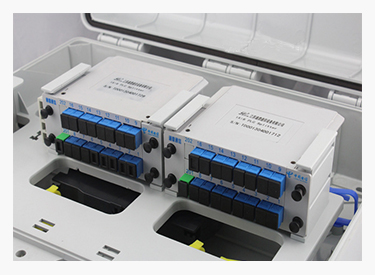
Figure 2. Official optical-distribution enclosure illustrates the installed endpoint and storage context that a pigtail length and handling specification should address. CZT source · Original image.
Confirm supply scope before sample approval
CZT's fiber-optic product family can be used to discuss these requirements. The identified catalog assembly is an SC-to-FC patch cable, not proof that a particular pigtail or LC/MPO configuration is available. Obtain a construction-specific proposal before turning the inquiry into a released BOM.
Inspect first samples for interface identity, measured lengths, handling protection and the agreed optical evidence. Simulate routing and the next termination step where practical. This can reveal a boot or protected free end that is inconvenient even though the nominal total length is correct.
State whether the protective packaging is removed before measurement. A temporary cap or free-end protector should not become an accidental length datum that differs between supplier and customer.
Release the drawing and inspection record together. If the connector, fiber supplier, buffer construction or length datum changes, review the effect on installation and evidence. That makes the pigtail a controlled manufactured assembly rather than a length of fiber described through a few ambiguous ordering words.
Connect this review to CZT product information
For LC, MPO, polish or polarity requirements, start with the fiber-optic product family. The available SC-to-FC assembly record is a different interface and is not presented here as a matching LC or MPO part. Ask CZT to confirm the exact configuration and available documentation.
Browse the relevant product family · View catalog resources
Discuss a drawing, sample or quotation
Share the part or family reference, current drawing revision, operating conditions and quantities. Include the specific checks described in this article so the inquiry identifies both the component and the evidence needed for your decision. Confirm sample availability and the proposed scope with the supplier.
Request a technical review or quotation
For broader context, read the related selection guide.