Temperature-rise evaluation for a multi-circuit automotive connector should use the simultaneous load pattern expected in the equipment. One energized contact and several adjacent energized contacts are different thermal conditions. The qualification record needs to show which circuits carried current together and how the surrounding assembly dissipated heat.
For a candidate in the automotive connector family, obtain the actual terminal-system documentation and applicable derating information. A catalog name, model code or outline drawing does not establish the current available in a particular harness configuration.
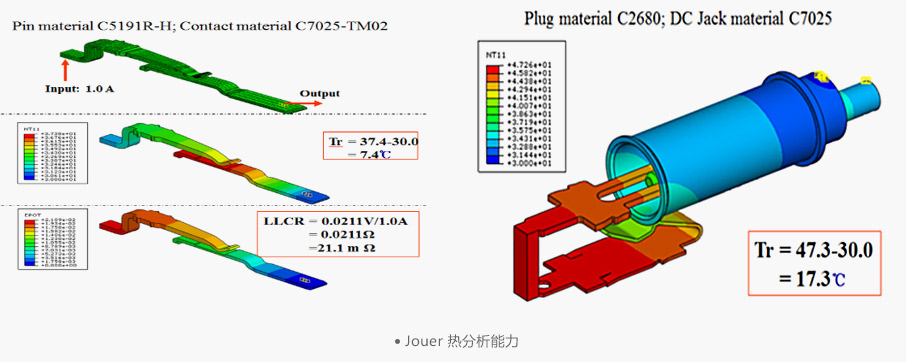
Figure 1. CZT thermal-analysis example. The published analysis example illustrates recording the thermal boundary; its numbers are not ratings or measurements for the reviewed automotive connector. CZT source · Original image.
Build a cavity-level load map
List every power and return path, including duty cycle and combinations that can occur together. Mark unused positions and identify circuits that are mutually exclusive by a controlled system function rather than by operator expectation.
Record wire material, conductor size, insulation and length. Include the mating connector and terminal identities. The same housing can participate in different assemblies whose electrical and thermal behavior must be evaluated separately.
Consider startup and sustained operation independently where the application requires both. A short event and a continuous load may need different observations, but neither should be omitted without an engineering reason.
Define the thermal boundary
Specify ambient conditions, bundling, routing and enclosure location. Identify nearby heat sources. Use a representative installation or explain clearly how the laboratory arrangement differs.
| Test input | Why it matters |
|---|---|
| Energized cavity map | Defines local and neighboring loads |
| Wire and terminal combination | Defines the actual current path |
| Ambient reference | Establishes temperature-rise calculation |
| Harness arrangement | Affects heat transfer around the connector |
| Current history | Confirms the intended load was applied |
Place measurement points so another laboratory can reproduce them. If internal contact temperature is inaccessible, describe what the chosen measurements can and cannot reveal.
Compare relevant load combinations
For a hypothetical pump controller, one run might energize the pump circuit alone while another includes the auxiliary loads that can operate simultaneously. Keep the conductor arrangement and ambient condition consistent when comparing the results.
Do not average different load maps into one representative temperature. A local hot position can be lost in that summary. Preserve individual measurements and their locations alongside the overall result.
Use a defined stabilization criterion and retain the time history. A fixed short observation can miss continued warming of the harness or enclosure.
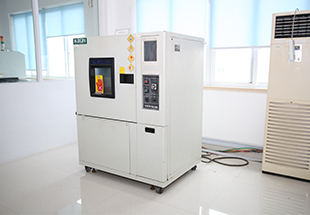
Figure 2. CZT temperature-and-humidity chamber. Ambient conditions belong in a simultaneous-load study; this chamber photograph supplies context rather than a reported temperature-rise result. CZT source · Original image.
Approve against stated limits
Compare results with the applicable component and equipment requirements. Identify the load patterns and environmental conditions covered by approval. If the most demanding credible combination was not tested, leave that item open rather than deriving a pass from another run.
The record should connect the cavity map to the connector model, terminal and wire references, sample preparation and measurement method. When a circuit is added or moved to another cavity, review its effect on neighboring paths. That is a more reliable basis for design changes than treating one published current number as a universal capacity for the whole housing.
Connect this review to CZT product information
Start with the relevant CZT product family and provide the original interface reference or controlled drawing. Ask which configurations and supporting documents are available for the task described here. Confirm the mating arrangement, required features and project conditions before choosing an orderable part.
Browse the relevant product family · View catalog resources
Discuss a drawing, sample or quotation
Share the part or family reference, current drawing revision, operating conditions and quantities. Include the specific checks described in this article so the inquiry identifies both the component and the evidence needed for your decision. Confirm sample availability and the proposed scope with the supplier.
Request a technical review or quotation
For broader context, read the related selection guide.