When specifying network cabling for a new installation, the choice between Cat8 and Cat6a comes up constantly. Cat8 promises 40 Gbps speeds and is marketed as the highest-performance copper Ethernet cable available. Cat6a has been the enterprise standard for over a decade and handles 10 Gbps reliably. The question is whether the performance gap justifies the cost and installation complexity difference.
This guide breaks down the technical specifications, real-world use cases, and connector requirements for both standards — so you can make the right call for your project.
What Is Cat6a?
Category 6a (Cat6a) is an augmented version of Cat6, standardized under TIA-568-C.2 and ISO/IEC 11801. The "a" stands for augmented, referring to its improved performance over standard Cat6.
Cat6a supports 10 Gbps (10GBASE-T) at distances up to 100 meters — the full channel length specified by structured cabling standards. This is the key advantage over Cat6, which can only sustain 10 Gbps up to 55 meters before alien crosstalk degrades the signal.
Cat6a cables are available in two shielding configurations:
- UTP (Unshielded Twisted Pair): Larger diameter (~7.5–8.5mm) to achieve the required separation between pairs. Easier to terminate but bulkier.
- F/UTP or S/FTP (Shielded): Foil or braid shielding reduces alien crosstalk and allows a smaller cable diameter. Required in high-EMI environments.
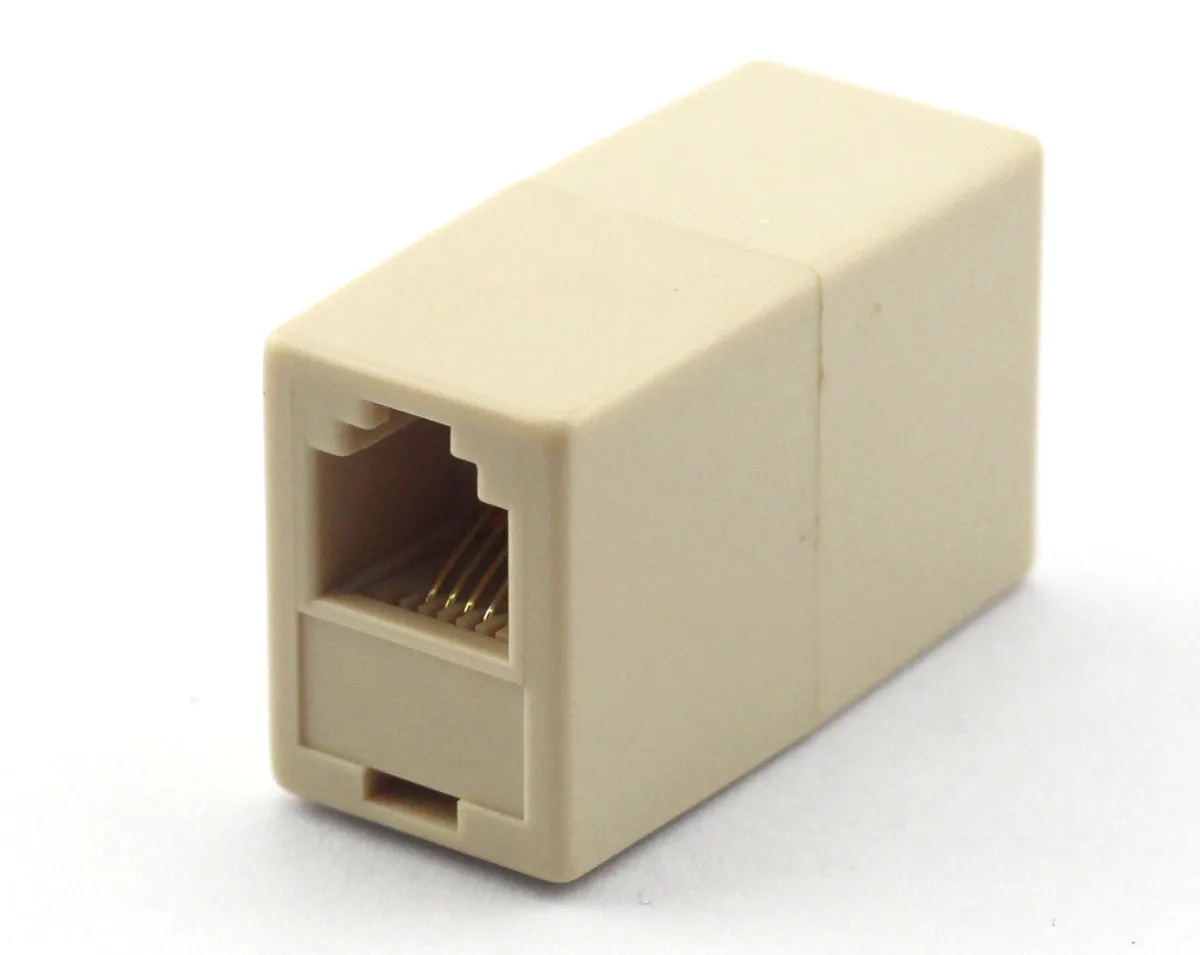
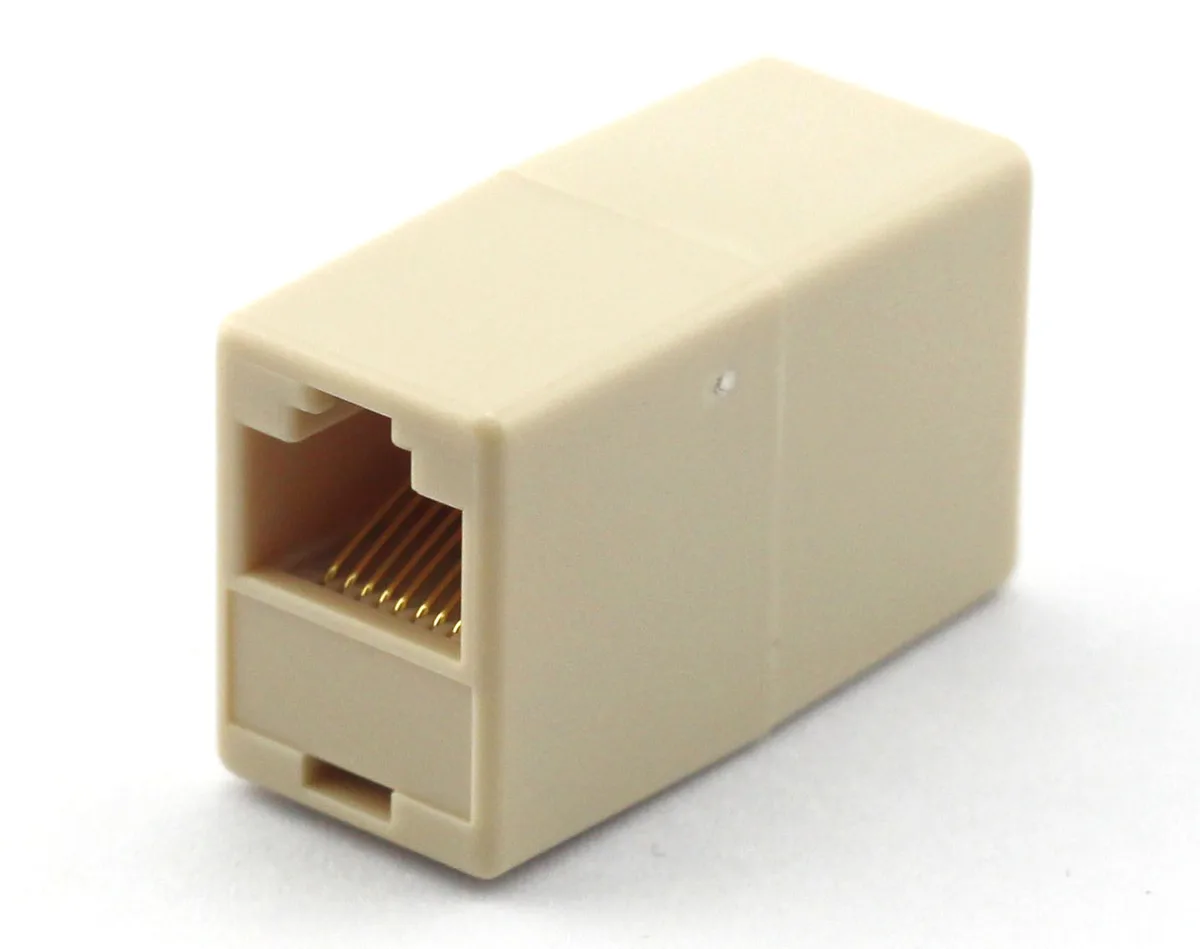
Cat6a uses standard RJ45 connectors (8P8C), the same form factor used by Cat5e and Cat6. This backward compatibility is a major practical advantage — existing patch panels, keystone jacks, and switches all accept Cat6a without modification.
What Is Cat8?
Category 8 is defined by TIA-568-C.2-1 (Cat8.1) and ISO/IEC 11801-1 (Cat8.2). It was designed specifically for short-reach, high-density data center applications — not general building cabling.
Cat8 supports 25 Gbps (25GBASE-T) and 40 Gbps (40GBASE-T) at distances up to 30 meters. Beyond 30 meters, Cat8 cannot maintain its rated performance. This 30-meter limit is not a flaw — it reflects the physics of transmitting 2 GHz signals over copper.
Cat8 cables are always shielded. The standard requires either F/UTP or S/FTP construction to handle the extreme frequencies involved. The shielding must be properly grounded at both ends, which adds complexity to termination and requires compatible shielded patch panels and outlets.
There are two variants:
- Cat8.1 (TIA): Uses standard RJ45 connectors. Compatible with existing RJ45 infrastructure.
- Cat8.2 (ISO): Uses TERA or GG45 connectors. Not compatible with standard RJ45 patch panels.
For most deployments, Cat8.1 is the relevant standard because it maintains RJ45 compatibility.
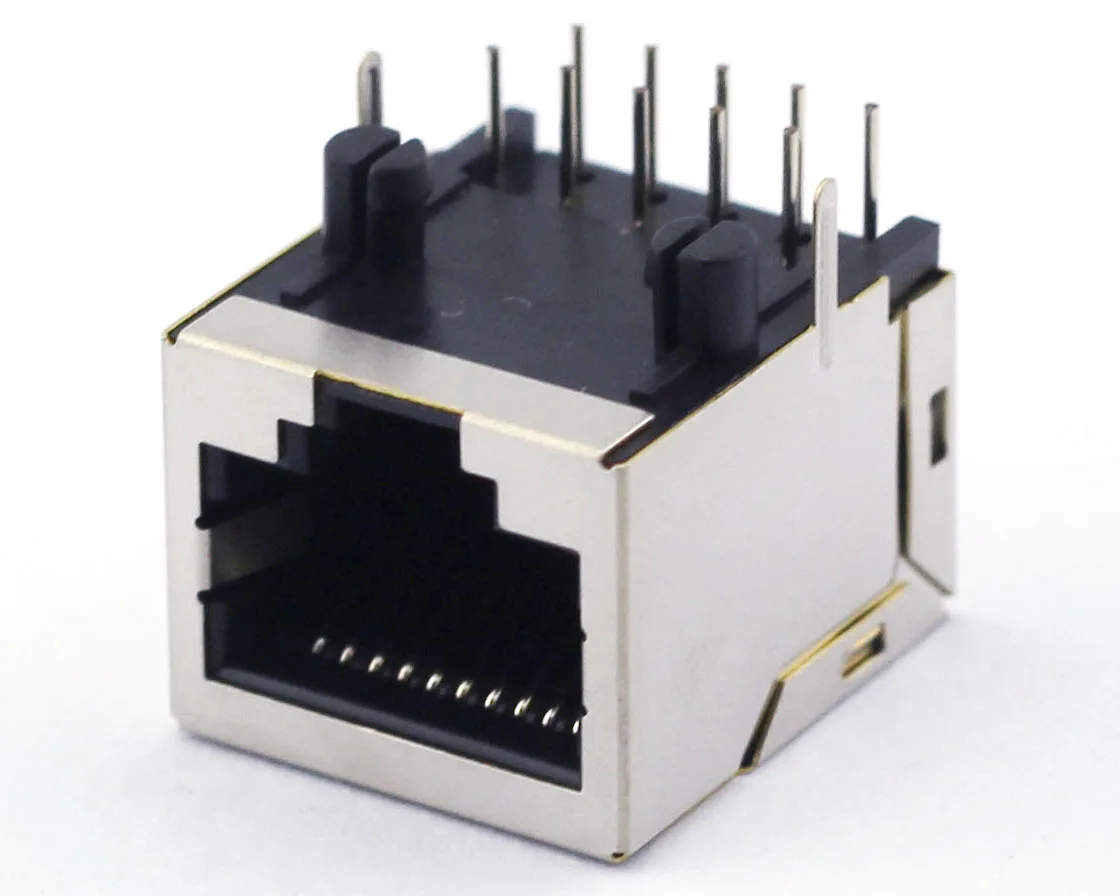
Cat8 vs Cat6a: Specification Comparison
| Parameter | Cat6a | Cat8 |
|---|---|---|
| Max Data Rate | 10 Gbps | 40 Gbps |
| Max Frequency | 500 MHz | 2,000 MHz |
| Max Distance (rated) | 100 m | 30 m |
| Shielding | UTP or F/UTP | F/UTP or S/FTP (required) |
| Connector | RJ45 (8P8C) | RJ45 (Cat8.1) or GG45/TERA (Cat8.2) |
| Cable Diameter | ~7–8.5 mm (UTP) | ~8–9 mm |
| Bend Radius | Moderate | Tighter (shielded) |
| Typical Cost (per meter) | $0.30–$0.80 | $1.00–$2.50 |
| Primary Use Case | Enterprise LAN, horizontal cabling | Data center top-of-rack |
| TIA Standard | TIA-568-C.2 | TIA-568-C.2-1 |
Where Cat8 Makes Sense
Cat8's 30-meter limit is not a problem in the environments it was designed for. In a data center, the distance from a top-of-rack (ToR) switch to the servers in the same rack is typically 1–5 meters. Even the longest runs within a row rarely exceed 15 meters.
In this context, Cat8 delivers real value:
- 40 Gbps server uplinks without the cost of fiber transceivers and DAC cables
- High port density — Cat8 patch cables are compact and manageable in dense rack environments
- Lower latency than optical alternatives for very short runs
- No SFP+ or QSFP28 transceivers required — direct RJ45 connection to compatible switches
Cat8 is also used in storage area networks (SANs) and high-frequency trading (HFT) infrastructure where 25/40 Gbps copper links are preferred for their deterministic latency characteristics.
Where Cat6a Is the Better Choice
For anything outside a data center rack environment, Cat6a is almost always the right answer.
Horizontal cabling (floor to desk): Runs from telecom rooms to workstations routinely exceed 30 meters. Cat8 cannot be used here. Cat6a handles these runs at 10 Gbps with no issues.
Office and campus networks: 10 Gbps to the desktop is more than sufficient for current and near-future workloads. Cat6a provides this at a fraction of Cat8's cost.
Industrial and outdoor installations: Cat6a is available in ruggedized, direct-burial, and armored variants. Cat8 shielded cables are less commonly available in these configurations.
Retrofit projects: Cat6a UTP is easier to pull through existing conduit due to its flexibility. Shielded Cat8 is stiffer and requires more careful handling.
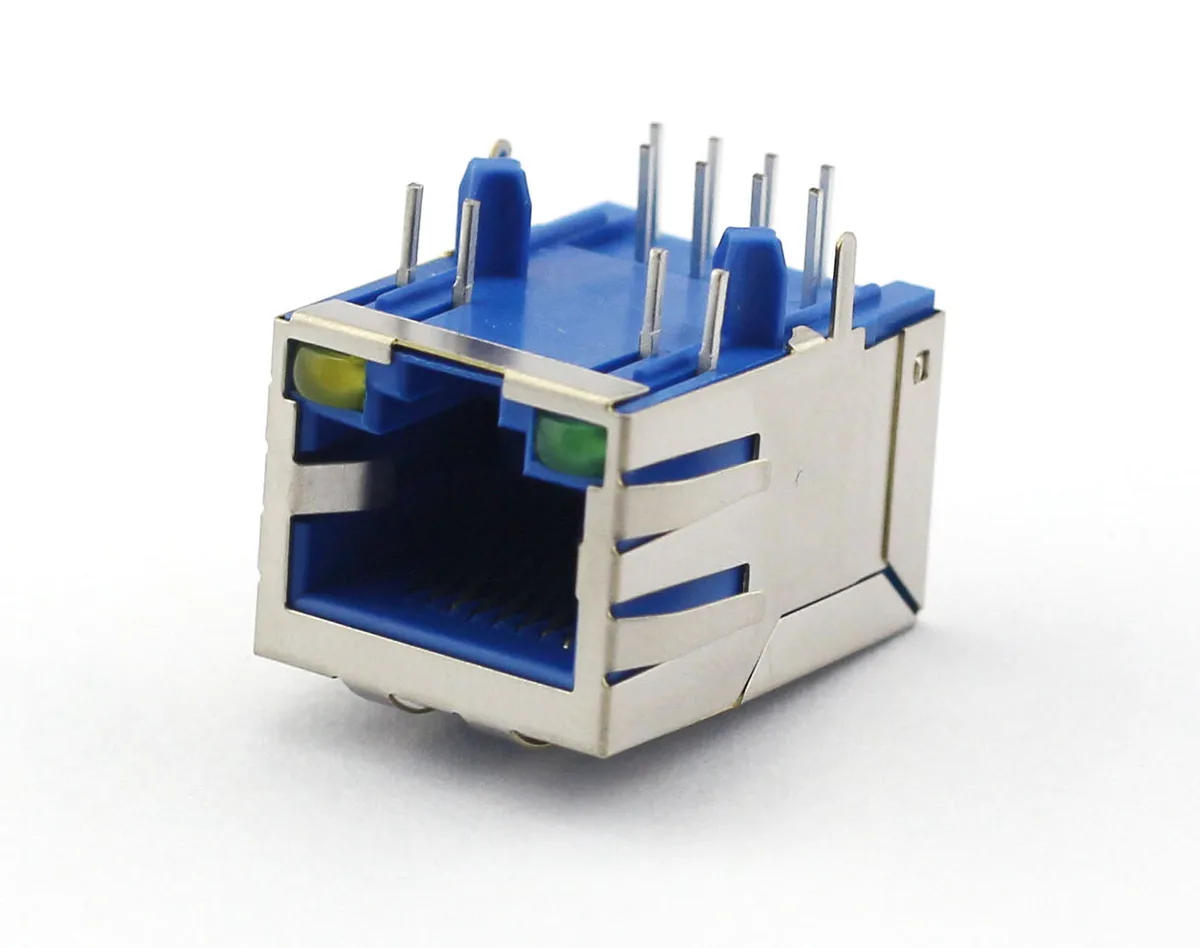
RJ45 Connector Requirements
Both Cat6a and Cat8.1 use RJ45 (8P8C) connectors, but the connector specifications differ significantly.
For Cat6a, standard Cat6a-rated RJ45 connectors and keystone jacks are required. These are designed to handle 500 MHz signals and maintain the pair geometry needed to control crosstalk.
For Cat8, the connectors must be rated for 2,000 MHz (2 GHz). Cat8-rated RJ45 plugs and jacks have tighter tolerances, improved shielding continuity, and are designed to maintain signal integrity at the higher frequencies. Using a Cat6a connector on a Cat8 cable will create a performance bottleneck at the termination point.
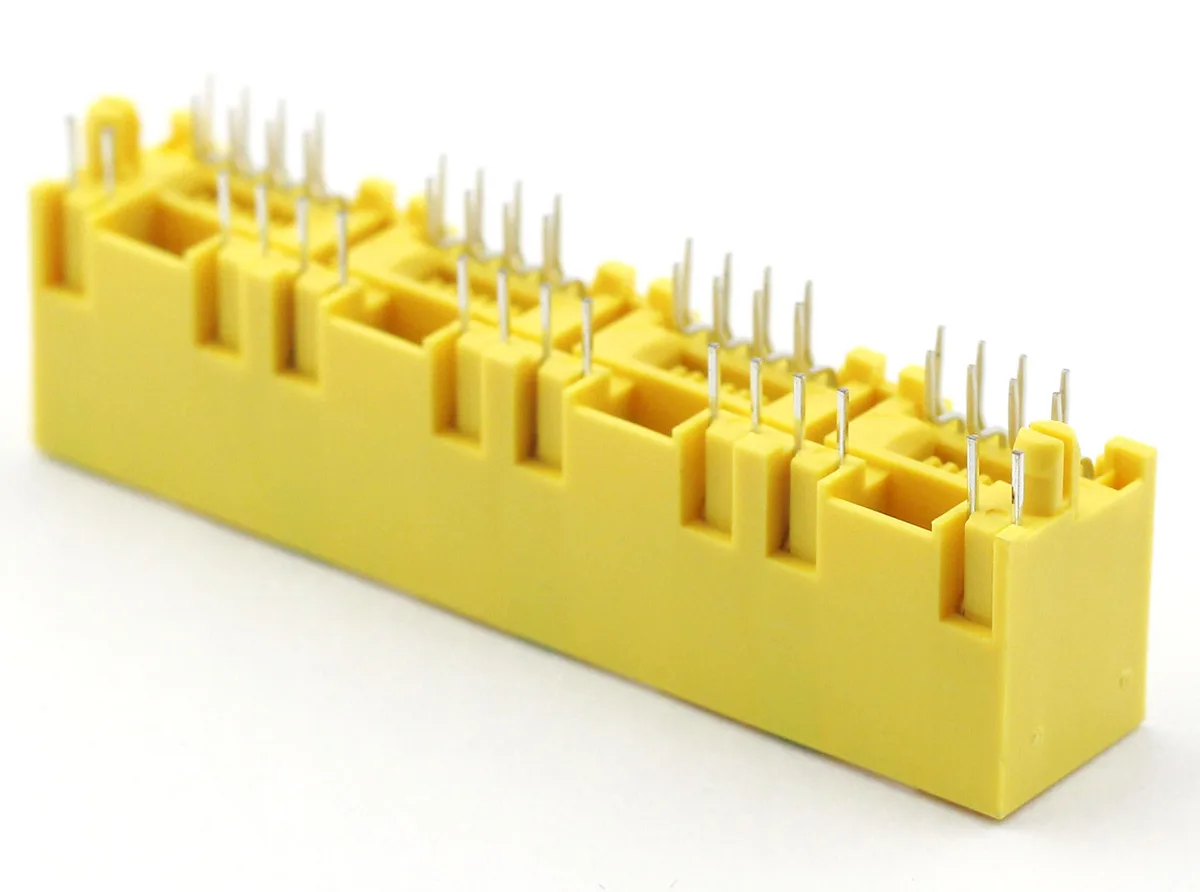
CZT's RJ45 and Ethernet connector range includes connectors rated for Cat6a and Cat8 applications, available in shielded and unshielded configurations for both field termination and pre-terminated assemblies.
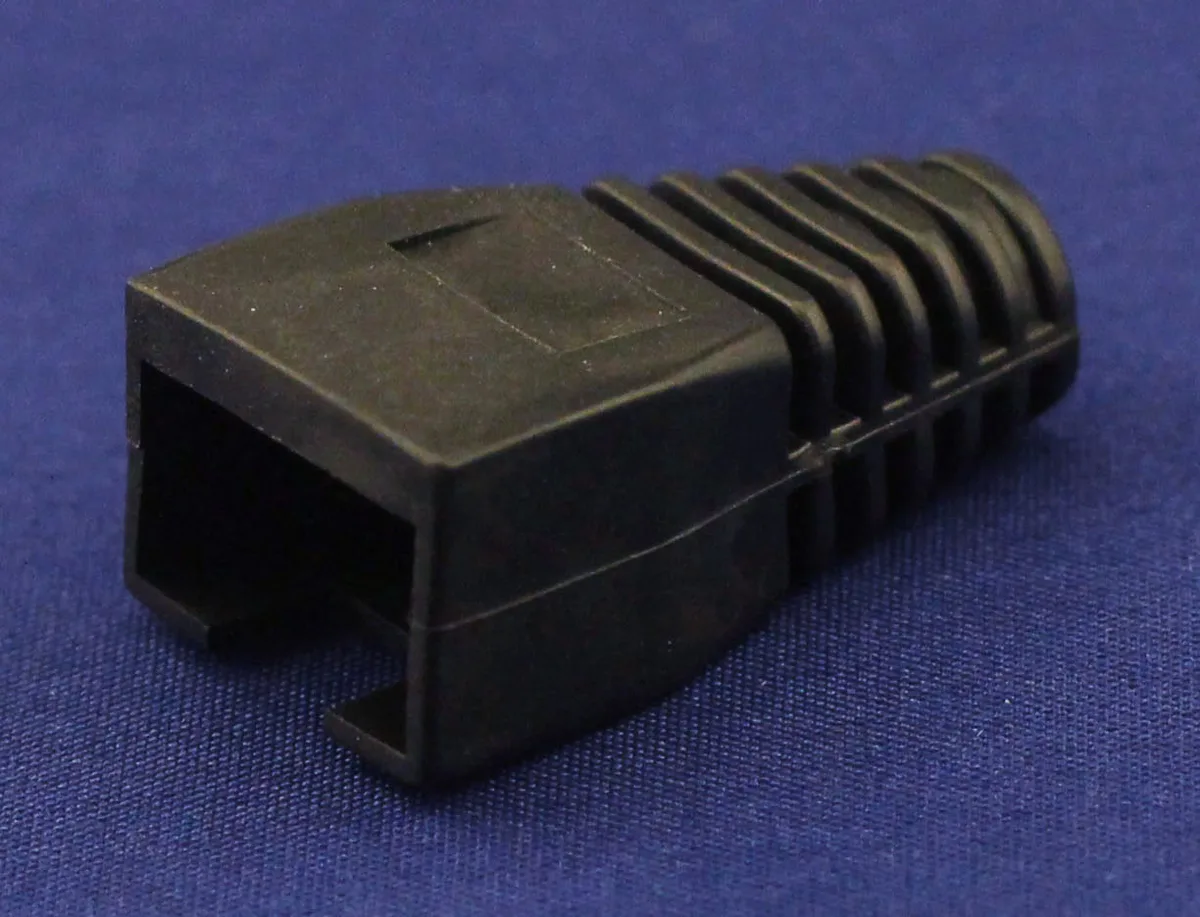
Shielding and Grounding Considerations
Cat8's mandatory shielding introduces installation requirements that Cat6a UTP avoids entirely.
A shielded Cat8 installation requires:
- Shielded patch panels with proper ground connections
- Shielded keystone jacks (if used)
- Continuous ground path from the cable shield to the rack ground bar
- Proper bonding of the rack to the building ground system
If the shield is not properly grounded — or if there is a ground loop between two endpoints — the shielding can actually make performance worse by acting as an antenna. This is a common installation error that causes intermittent link failures and noise issues.
Cat6a UTP avoids all of this. The tradeoff is that UTP is more susceptible to EMI from adjacent cables and equipment, which is why Cat6a UTP cables are physically larger — the extra separation between pairs compensates for the lack of shielding.
Cost Analysis
The cost difference between Cat8 and Cat6a is significant at scale.
For a 100-port installation with average run lengths of 30 meters:
- Cat6a UTP: ~$0.50/m × 30m × 100 runs = $1,500 in cable, plus standard RJ45 connectors at ~$0.50 each
- Cat8 S/FTP: ~$1.80/m × 30m × 100 runs = $5,400 in cable, plus Cat8-rated shielded connectors at ~$2.00 each
The cable cost alone is 3.6× higher for Cat8. Add shielded patch panels, grounding hardware, and the additional labor for shielded termination, and the total installed cost difference is typically 4–5×.
For a data center with 10-meter average runs and 200 ports, the numbers are more favorable for Cat8 — but the question is whether 40 Gbps copper is actually needed, or whether 10 Gbps Cat6a (or 25/100 Gbps fiber) is more appropriate.
The Fiber Alternative
At the speeds Cat8 targets (25–40 Gbps), direct attach copper (DAC) cables and active optical cables (AOC) are strong competitors.
DAC cables use SFP28 or QSFP28 connectors and are available in lengths up to 5 meters (passive) or 15 meters (active). They are widely used for server-to-switch connections in data centers and are often cheaper than Cat8 for very short runs.
For runs beyond 15 meters, fiber optic transceivers with OM4 or OS2 fiber provide 25/40/100 Gbps at distances from 100 meters to kilometers. The per-port cost is higher, but fiber eliminates EMI concerns entirely and supports much longer distances.
Cat8 occupies a specific niche: runs of 5–30 meters where RJ45 compatibility is required and the switch/NIC supports 25GBASE-T or 40GBASE-T. Outside that niche, fiber or DAC is usually more practical.
Summary: Which Should You Choose?
Choose Cat6a when:
- Runs exceed 30 meters (any horizontal cabling)
- You need backward compatibility with existing Cat5e/Cat6 infrastructure
- Budget is a constraint
- You need 10 Gbps to the desktop or access layer
- Shielded installation is impractical
Choose Cat8 when:
- You are cabling a data center top-of-rack environment
- Runs are under 30 meters
- You need 25 or 40 Gbps over copper
- Your switches and NICs support 25GBASE-T or 40GBASE-T
- You have the infrastructure for proper shielded installation
For most enterprise and commercial building projects, Cat6a is the right choice. Cat8 is a specialized tool for data center environments — excellent in that context, but overkill (and impractical) everywhere else.
CZT manufactures a full range of RJ45 and Ethernet connectors for Cat6a and Cat8 applications, including field-terminable plugs, pre-terminated patch cables, and shielded keystone jacks. Contact us for bulk pricing and custom assembly options.