A passive RJ45 jack can fit an Ethernet design when the required magnetics are implemented separately and the complete PHY interface is reviewed accordingly. A passive jack is not a substitute for an integrated-magnetics module simply because both present an RJ45 mating interface.
Compare the CZT modular jack family with the integrated magnetics family at the architecture stage. The choice affects board placement, internal connections, mechanical packaging and component qualification.
Draw the boundary of each architecture
With an integrated module, the connector contains the documented magnetic circuit. With a passive jack, the PCB must connect the jack to separately selected magnetics and supporting circuitry. Identify which organization owns each part of that signal path.
Keep the PHY's interface requirements unchanged during the comparison. Moving the transformer outside the jack does not remove the need to match its circuit, ratio and center-tap arrangement to the PHY.
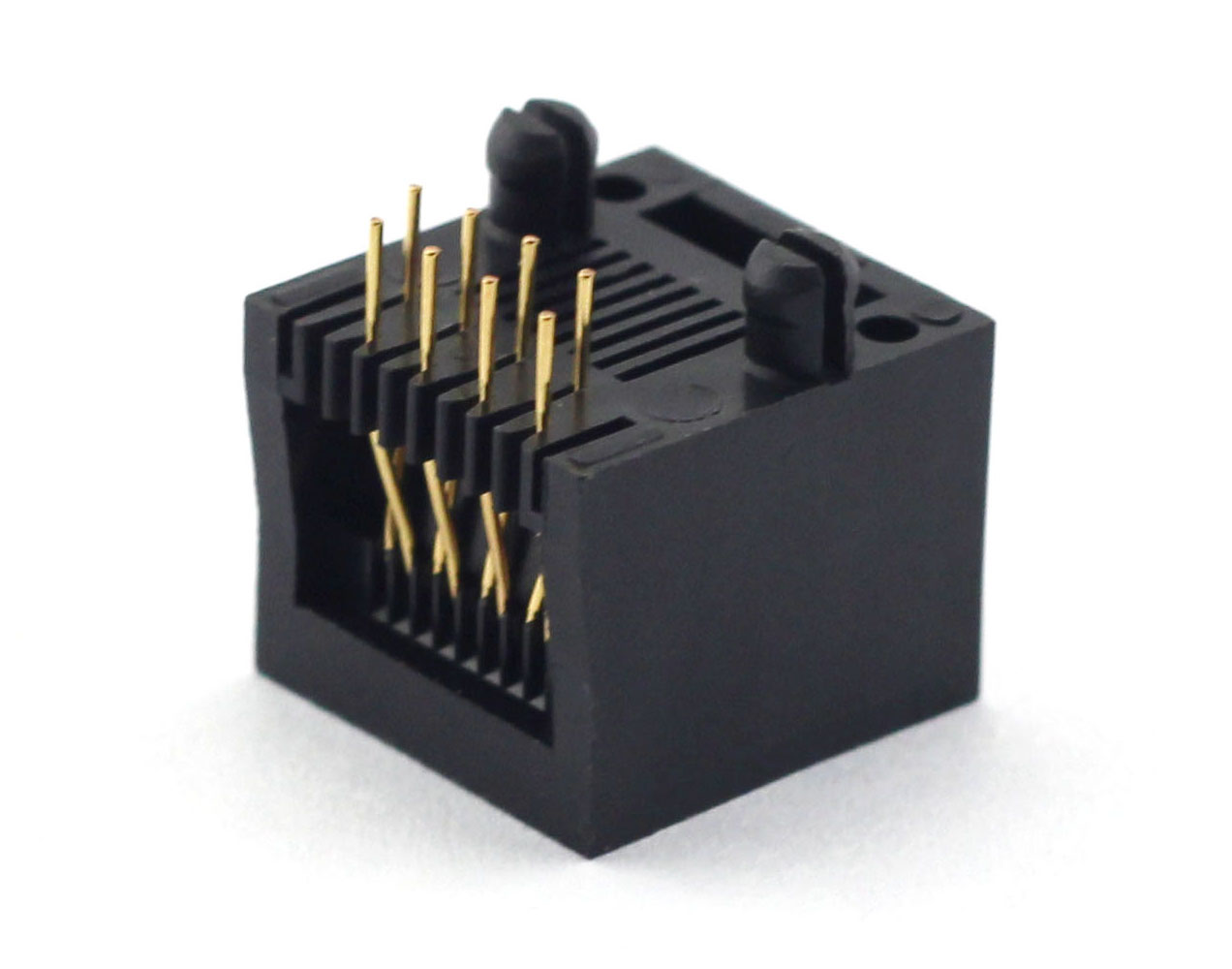
Figure 1. E52QWY-1093-5 socket construction from CZT's original catalog. CZT source · Original image.
Compare the practical tradeoffs
| Design question | Integrated magnetics | Passive jack with external magnetics |
|---|---|---|
| Internal circuit | Reviewed as part of the module | Reviewed across separate components |
| PCB placement | Defined module envelope | Separate placement and routing decisions |
| Mechanical interface | Module-specific dimensions | Jack-specific dimensions |
| Sourcing changes | May affect several internal functions | Can affect jack or magnetics separately |
| Validation boundary | Module plus system | Component interfaces plus system |
This is a comparison framework, not a claim that one architecture always occupies less space or costs less. Actual drawings and manufacturing conditions determine those outcomes.
Review routing and isolation deliberately
For the external-magnetics arrangement, show the PHY-to-transformer and transformer-to-jack paths on the layout review. Apply the selected PHY vendor's guidance to the real stackup and component positions.
Also review how the isolation boundary and shield arrangement are implemented across those separate components. A schematic that looks correct can still leave layout or assembly details unresolved.
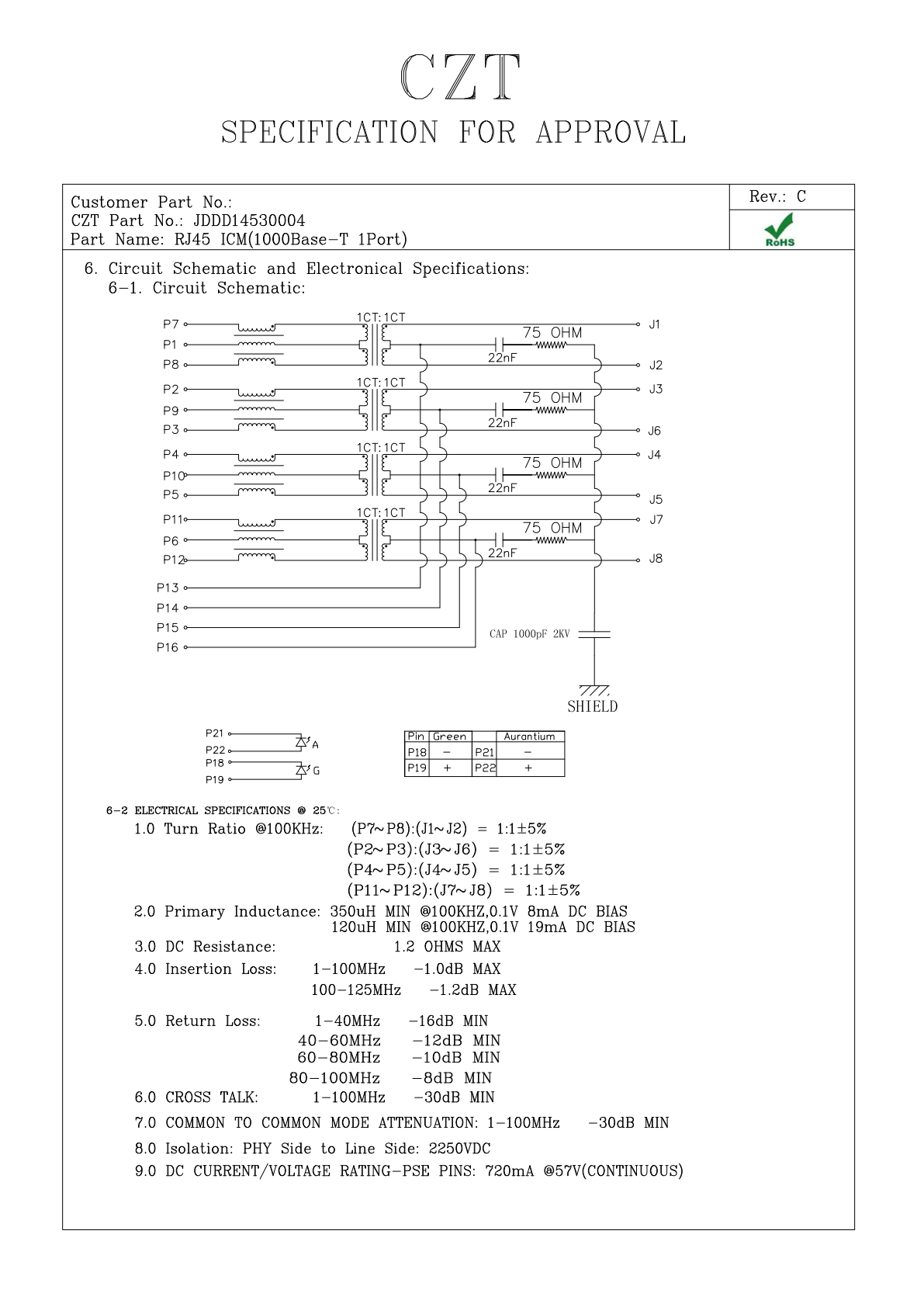
Figure 2. JDDD14530004: internal circuit and electrical specification fields from the official manufacturer specification, PDF page 6. CZT source · Original PDF, page 6.
Use a hypothetical board comparison
Imagine an industrial controller with a fixed panel opening but available PCB area behind it. One option may use a passive jack and external magnetics to satisfy a particular packaging constraint. Another may use an integrated module to keep the interface within a single mechanical envelope.
The useful comparison includes the complete parts list, board area, routing constraints, process steps and validation work. Comparing only the jack price with the integrated-module price omits part of the system.
Qualify the chosen implementation
Confirm the selected jack's pin mapping, shield connection, mounting and mating fit. For the external magnetics, verify the approved internal circuit and its supporting evidence separately. Then evaluate the complete port on the intended board.
The resulting record should make the architecture explicit. That prevents a future purchasing substitution from accidentally replacing a passive interface with an integrated one, or the reverse, based on a short catalogue label.
Connect this review to CZT product information
Start with the relevant CZT product family and provide the original interface reference or controlled drawing. Ask which configurations and supporting documents are available for the task described here. Confirm the mating arrangement, required features and project conditions before choosing an orderable part.
Browse the relevant product family · View catalog resources
Discuss a drawing, sample or quotation
Share the part or family reference, current drawing revision, operating conditions and quantities. Include the specific checks described in this article so the inquiry identifies both the component and the evidence needed for your decision. Confirm sample availability and the proposed scope with the supplier.
Request a technical review or quotation
For broader context, read the related selection guide.