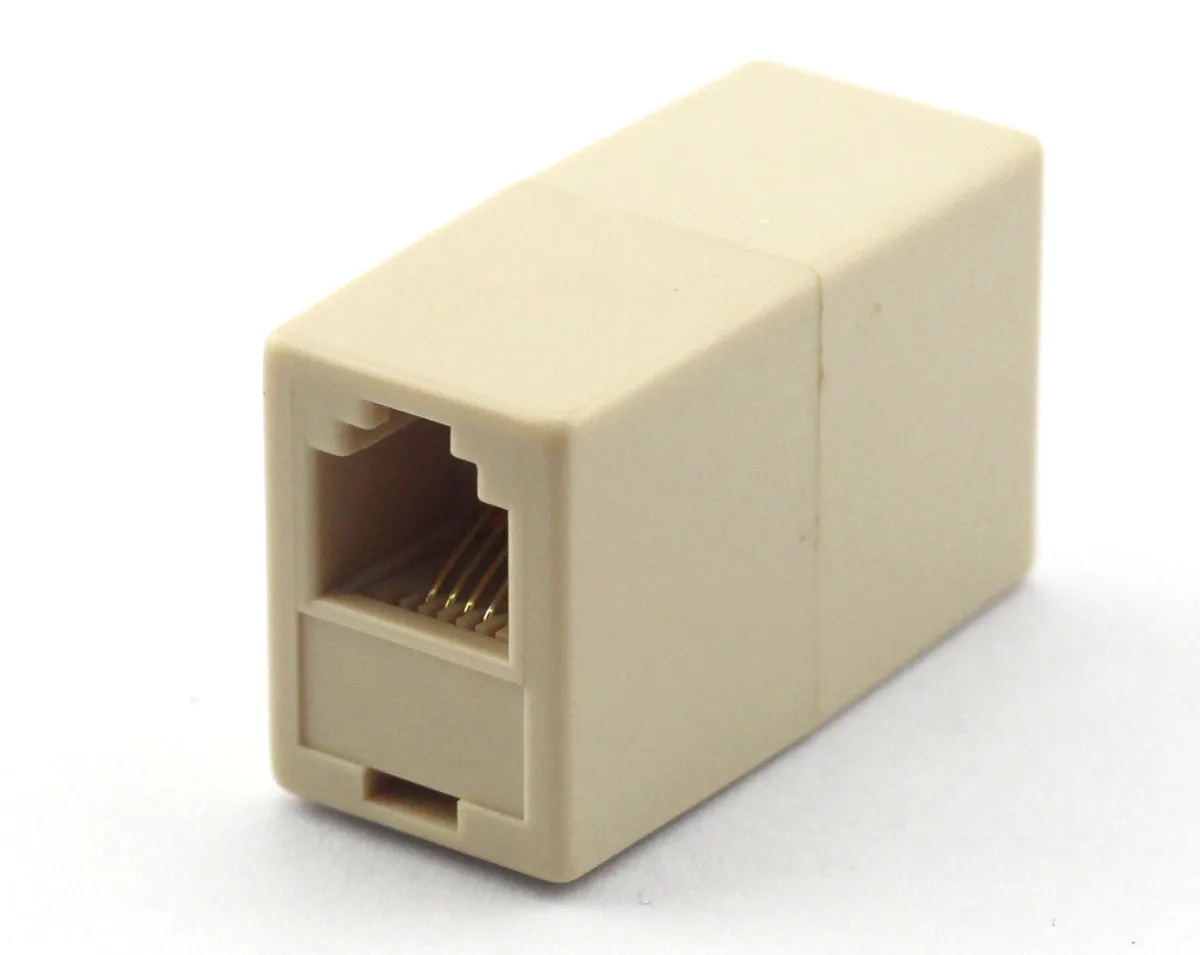
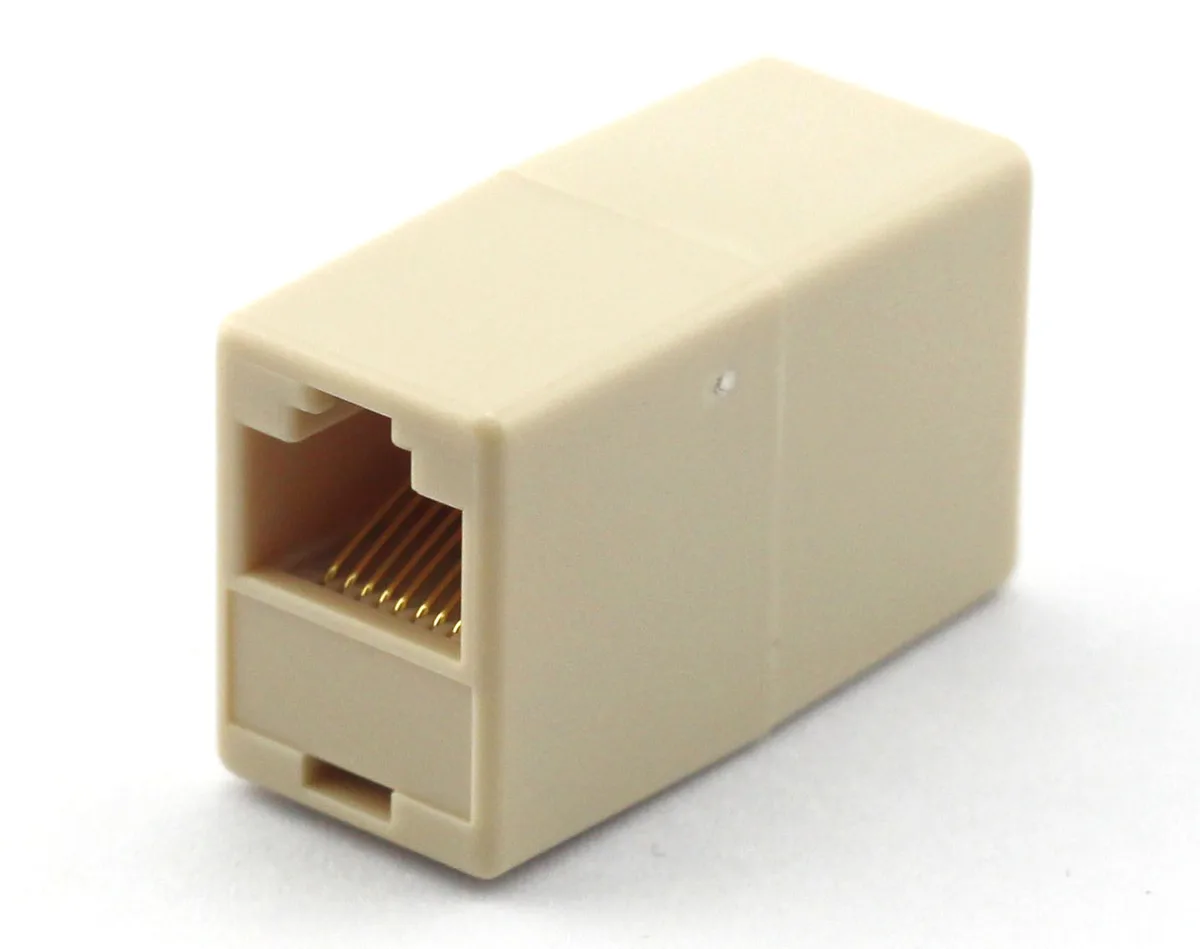
An RJ45 integrated magnetics connector is more than a modular jack. It combines the RJ45 mechanical interface with Ethernet transformer magnetics, and in many cases LED indication, shielding, and EMI-related design features. These parts are often called RJ45 ICM, RJ45 with magnetics, or RJ45 transformer jack.
For networking equipment, the ICM choice affects board layout, Ethernet PHY compatibility, isolation, panel density, EMI performance, and assembly cost. That is why the right selection process starts with the system, not with the first catalog drawing that looks close.
This guide explains how to compare 1xN, 1x1 vertical, 2xN stack jack, RJ45+USB/HDMI, and 10G Base-T integrated magnetics families before you issue an RFQ.
Quick Answer
Choose an RJ45 integrated magnetics module by matching five things first: Ethernet speed, port count, orientation, magnetic performance table, and panel/PCB constraints.
| Selection question | Why it matters |
|---|---|
| 10/100, 1000 Base-T, or 10G Base-T? | Determines the magnetic design and high-frequency table requirements |
| 1 port, 1xN, or 2xN? | Determines panel density, board footprint, and mechanical drawing family |
| TAB up, TAB down, vertical, or stacked? | Controls PCB routing, enclosure position, and service access |
| LED or no LED? | Affects panel indication, pinout, and BOM options |
| What electrical table target? | Drives turn ratio, insertion loss, return loss, crosstalk, CMRR, and Hipot review |
If you are sourcing for a switch, router, server, hub, CPE, or LOM application, do not ask only for "RJ45 connector." Ask for the specific integrated magnetics family and include the electrical table requirements.
What RJ45 Integrated Magnetics Does
Ethernet ports need magnetic isolation between the PHY and the external cable. Traditionally, designers could place a discrete transformer module on the PCB and use a separate RJ45 jack. An integrated magnetics connector packages the magnetic circuit into the jack assembly.
This can reduce PCB footprint, shorten signal paths, simplify BOM management, and make the Ethernet port easier to qualify. It also moves more of the connector performance into a single supplier-controlled assembly.
Key functions include:
- Isolation between cable and Ethernet PHY
- Common-mode noise control
- EMI suppression support
- ESD and lightning protection coordination
- LED status indication
- Shielding and panel grounding options
- Mechanical interface for the Ethernet cable
Common RJ45 ICM Families
1xN TAB Down and TAB Up
1xN modules place ports in a single horizontal row. They are common in access devices, servers, hubs, and CPE equipment. TAB down and TAB up options let the designer match the cable latch orientation to the enclosure and PCB layout.
Use this family when you need multiple Ethernet ports but do not need a stacked two-row connector.
1x1 Vertical Jack
A vertical RJ45 ICM is useful when the cable exits perpendicular to the board or when the enclosure layout favors a top-entry port. This family is often relevant for compact embedded networking devices, video equipment, CPE, and board-level Ethernet ports.
The main review items are height, board retention, LED option, and whether the vertical footprint works with the rest of the enclosure.
2xN Stack Jack
2xN stack jack modules put Ethernet ports in two rows, improving port density for switches, routers, hubs, and server equipment. This is the family to review when front-panel space is limited and the equipment needs many copper Ethernet ports.
Stacked jacks need careful attention to airflow, service access, LED visibility, shield grounding, and solder process stability.
RJ45 + USB / HDMI Combination Modules
Some panels need Ethernet plus adjacent I/O in the same mechanical area. RJ45+USB or RJ45+HDMI combination modules are used in LAN-on-motherboard, PC, and equipment-management applications.
These are not generic I/O parts. Review both sides of the module: the RJ45 magnetic table and the USB/HDMI mechanical and signal requirements.
10G Base-T RJ45 ICM
10G Base-T places much higher demands on the magnetic and signal path. The selection process must emphasize return loss, insertion loss across the relevant frequency range, crosstalk, CMRR, and PCB routing.
Do not assume that a 1000 Base-T ICM is suitable for 10G. Request the exact electrical performance table and drawing.
Electrical Table Fields to Compare
RJ45 ICM catalogs usually include an electrical performance summary. The most important fields are:
| Field | What it tells you |
|---|---|
| Turn ratio | Transformer winding ratio, usually matched to PHY/reference design needs |
| Insertion loss | Signal loss through the magnetic path |
| Return loss | Impedance matching and reflected signal behavior |
| Crosstalk | Coupling between pairs or channels |
| CMRR | Common-mode rejection performance |
| Hipot | Isolation withstand voltage |
| LED L/R | Left/right LED color and configuration |
| Circuit reference | Internal magnetic circuit variant |
| Mechanical reference | Drawing family or package reference |
For 10/100 and 1000 Base-T, the table may focus on 1-100 MHz and nearby points. For 10G Base-T, higher-frequency behavior becomes more important, so the table must be reviewed more carefully.
Application Mapping
| Equipment | Typical RJ45 ICM direction |
|---|---|
| ADSL or cable modem | 1xN or single-port 10/100 and 1000 Base-T |
| Server motherboard | 1xN or RJ45+USB/HDMI, depending on panel architecture |
| Switch or hub | 1xN or 2xN stack jack |
| Router | 2xN stack jack for higher-density panels |
| PC or LOM interface | RJ45+USB/HDMI or compact single-port ICM |
| High-speed workstation | 10G Base-T ICM with full electrical table review |
RFQ Checklist
Before requesting samples or pricing, prepare:
- Ethernet speed target: 10/100, 1000 Base-T, 2.5G/5G, or 10G Base-T.
- Port format: 1x1, 1xN, 2xN, vertical, or combination module.
- TAB orientation and panel direction.
- Shielding requirement and grounding style.
- LED color and left/right position.
- Mechanical drawing or board footprint.
- Electrical table target or PHY reference design.
- Operating temperature.
- Packaging preference.
- Annual volume and sample schedule.
Summary
RJ45 integrated magnetics selection is not only a connector purchase. It is an Ethernet interface decision that touches signal quality, isolation, EMI, layout, panel design, and production qualification.
Start with the equipment type and port family. Then compare the electrical table. Only after that should you lock the drawing, LED, shield, and RFQ details.
CZT supports RJ45 jacks, modular plugs, and integrated magnetics modules for telecom, data center, industrial Ethernet, CPE, server, and PC applications. Browse RJ45 products or send an RJ45 ICM RFQ.