Changing a nickel intermediate layer can affect more than the finish's appearance. The layer is part of a complete contact and manufacturing system, so a proposed change needs a defined comparison of material, thickness, process and the functions that depend on them.
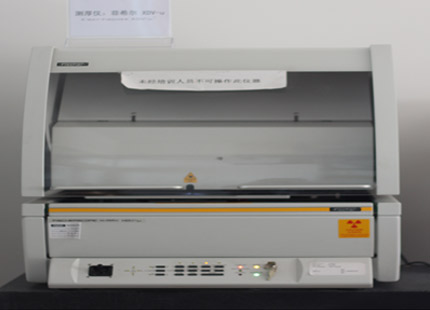
Figure 1. CZT X-ray thickness instrument. Layer-sensitive measurement planning is relevant after an underplate change; no nickel thickness is claimed. CZT source · Original image.
Describe the proposed change precisely
Separate a change in layer material, process chemistry, thickness target or manufacturing source. These are not automatically equivalent changes. Identify which terminal zones and part revisions are affected and whether the outer finish or base material also changes.
Ask the supplier to show the before-and-after stack and explain why the change is proposed. Avoid a description such as equivalent plating without a technical definition. The engineering review needs a concrete difference to evaluate.
Build an impact-based validation plan
| Area | Question to investigate |
|---|---|
| Stack definition | What materials, thicknesses or coverage change? |
| Contact function | Which electrical or mechanical requirements could be affected? |
| Soldering or forming | Does the revised condition alter a downstream operation? |
| Measurement method | Does the layer model or inspection setup need review? |
| Production scope | Which source, lots and implementation dates are included? |
The plan should be proportionate to the change and application. It does not follow that every modification needs every available test, but omitted checks should have a documented engineering reason rather than being excluded for convenience.
Compare controlled samples
Use samples with identified base material, stack and process history. Keep the mating part and relevant test conditions consistent when comparing contact behavior. If the baseline and alternative differ in several respects, document that the comparison cannot isolate the nickel layer alone.
Review measurement suitability as well as the reported result. A thickness method set up for one stack may need adjustment when the stack changes. Keep physical observations, electrical data and process records connected to the sample identities.
For a CZT connector electroplating inquiry, provide the current terminal drawing and proposed layer change. The available catalog references do not confirm a particular underlayer process or an already completed qualification.
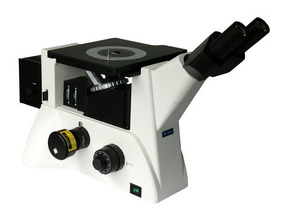
Figure 2. CZT metallurgical microscope. The manufacturer's microscopy image supports discussion of examination methods, not a demonstrated stack or validated change. CZT source · Original image.
Release the change through a controlled baseline
Record the approved stack, drawing revision and implementation scope. Address remaining inventory and mixed deliveries so purchasing and production can tell the old condition from the new. If the customer requires notification or approval, follow the actual agreed process before using the revised material.
Retain the validation rationale with the change record. This supports later investigations and prevents the same modification from being treated as a minor cosmetic adjustment on a second program where the contact duty or downstream process is different.
Include the revised material identification on retained samples. When the old and new finishes are difficult to distinguish visually, labeling and lot control are necessary to keep later comparative tests tied to the intended surface system.
Connect this review to CZT product information
Start with the relevant CZT product family and provide the original interface reference or controlled drawing. Ask which configurations and supporting documents are available for the task described here. Confirm the mating arrangement, required features and project conditions before choosing an orderable part.
Browse the relevant product family · View catalog resources
Discuss a drawing, sample or quotation
Share the part or family reference, current drawing revision, operating conditions and quantities. Include the specific checks described in this article so the inquiry identifies both the component and the evidence needed for your decision. Confirm sample availability and the proposed scope with the supplier.