A connector pilot lot should have defined exit criteria before production begins. A successful build is useful evidence, but it does not automatically establish readiness for routine volume orders. The decision needs to address product conformity, process stability, inspection effectiveness and unresolved issues within the actual project scope.
A trial involving the USB-C family, for example, must identify the connector and the intended manufacturing implementation. A catalog drawing reference alone cannot establish that the supplier's production process or the buyer's PCB assembly process has been validated.

Figure 1. CZT assembly workstations. A real assembly-line image provides context for a production-intent pilot, without claiming its output or acceptance. CZT source · Original image.
Define what the pilot is intended to prove
State the product configuration, manufacturing route and trial conditions. Identify the tools, equipment, materials and work instructions expected for regular production. Record any temporary methods that will differ.
Choose lot quantity and observation requirements through the project's actual quality plan. Avoid treating an arbitrary number of samples as a universal qualification requirement.
List the decisions that depend on the trial. Some projects need evidence for a new mold or assembly fixture; others need to demonstrate a changed inspection method or a production handoff. The exit criteria should address those questions directly.
Measure both output and process findings
Record quantities entering each relevant stage, accepted quantities, rework and rejected material. Keep definitions consistent. A yield reported after extensive repair tells a different story from first-pass acceptance.
| Exit area | Evidence for review |
|---|---|
| Product definition | Correct item, revision and materials |
| Critical characteristics | Actual measurements and test results |
| Manufacturing route | Intended equipment and recorded deviations |
| Defect handling | Identified issues, containment and disposition |
| Production documents | Updated instructions, inspection and traceability |
Include individual results where they are needed to understand variation or local failures. A single summary percentage can conceal a recurring defect on one feature or process position.
Resolve issues with targeted evidence
For a hypothetical board-connector pilot, operators may manually correct seating before reflow. The finished boards might pass inspection, but the intended placement process still needs review. Record that intervention rather than reporting only the accepted final quantity.
When a correction is made, define which evidence must be repeated and which previous results remain applicable. Keep the root finding and change linked so later reviewers can see why the trial was extended or repeated.
Molex's supplier-requirements resources illustrate that production approval belongs within a customer-specific requirements system. Do not borrow another customer's numerical release rules without an actual project basis.

Figure 2. CZT automatic-assembly equipment. A distinct automatic-assembly equipment image highlights that the released route and inspection method must match the pilot configuration. CZT source · Original image.
Make the release decision explicit
Compare the completed evidence with the predefined exit criteria. Identify open actions and whether the authorized decision permits a limited build, a further trial or routine production.
Record the approved configuration and first affected production batch. A pilot approval should be specific enough for purchasing to know what it can order and for production to know which process is released. It should not become an unlimited promise about future quality, capacity or delivery beyond the evidence and commitments actually established.
Connect this review to CZT product information
Examples for applying this worksheet are listed below. Use the identifiers to request the current drawing and confirm the configuration required by your application.
| Catalog reference | Product information | Drawing record | Reference inquiry |
|---|---|---|---|
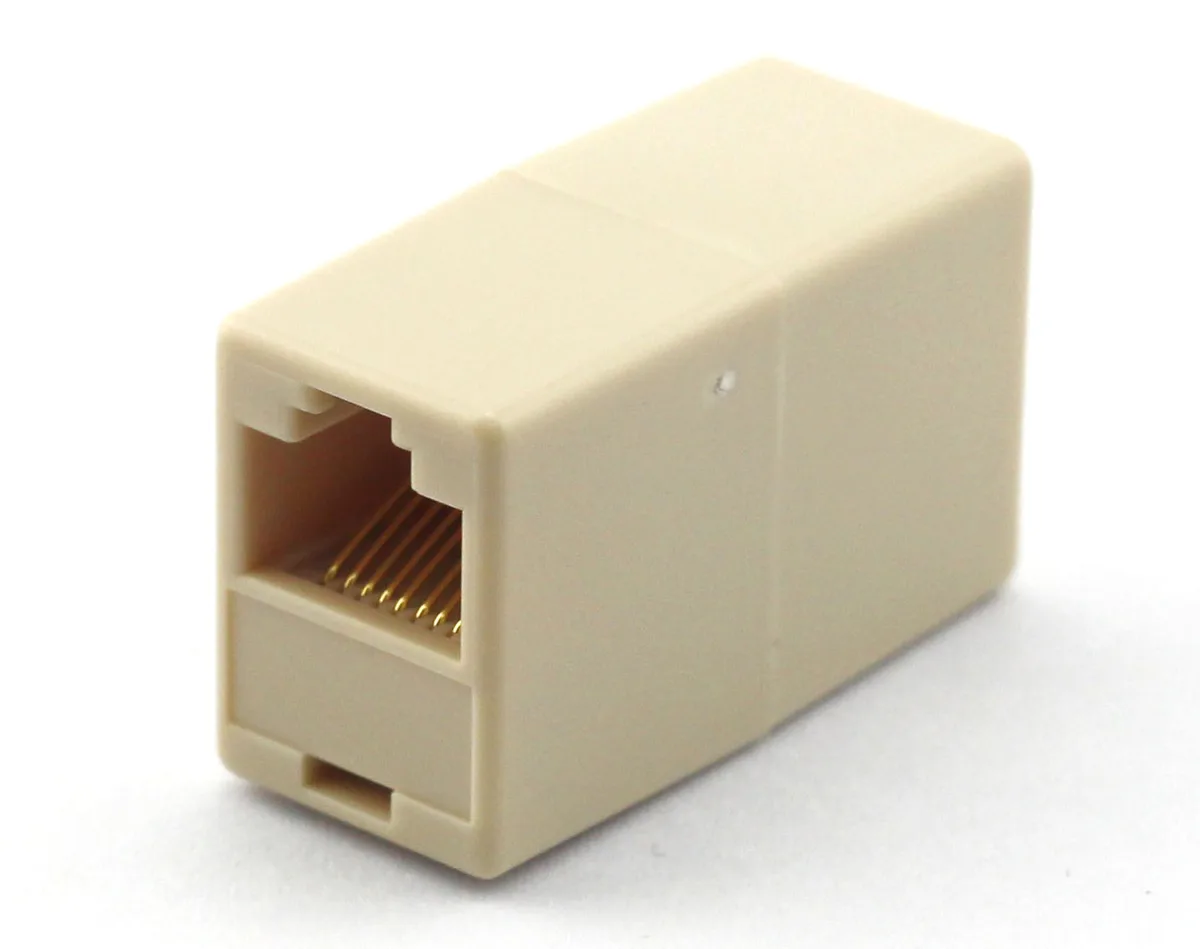
| QWY-1062-7 | 4001 Series 8-position modular socket, QWY-1062-7 | Listed PDF | Ask about this reference |
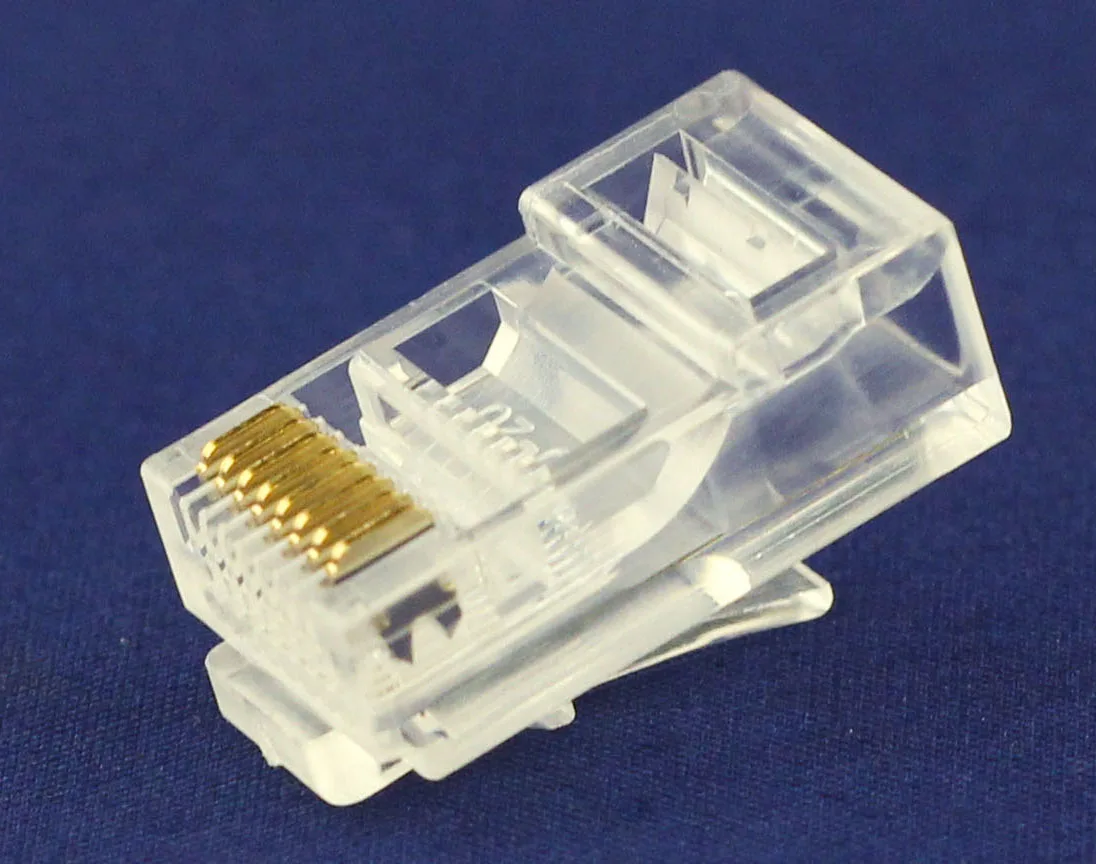
| QWY-1013-10 | 8P8C modular plug, QWY-1013-10 | Listed PDF | Ask about this reference |
A catalog drawing reference is a starting document, not a substitute for reviewing its revision, options and suitability for the complete assembly.
Browse the relevant product family · View catalog resources
Discuss a drawing, sample or quotation
Share the part or family reference, current drawing revision, operating conditions and quantities. Include the specific checks described in this article so the inquiry identifies both the component and the evidence needed for your decision. Confirm sample availability and the proposed scope with the supplier.
Request a technical review or quotation
For broader context, read the related selection guide.