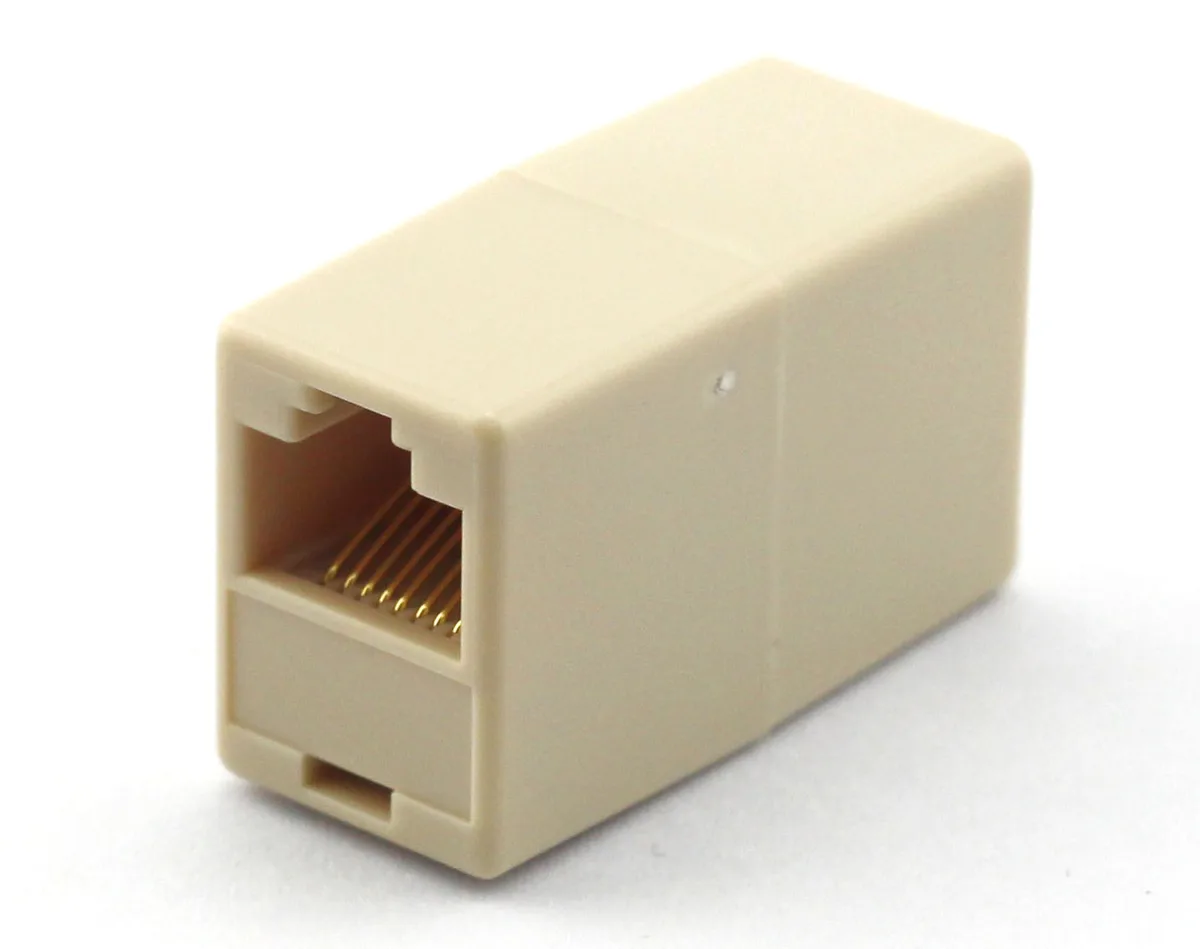
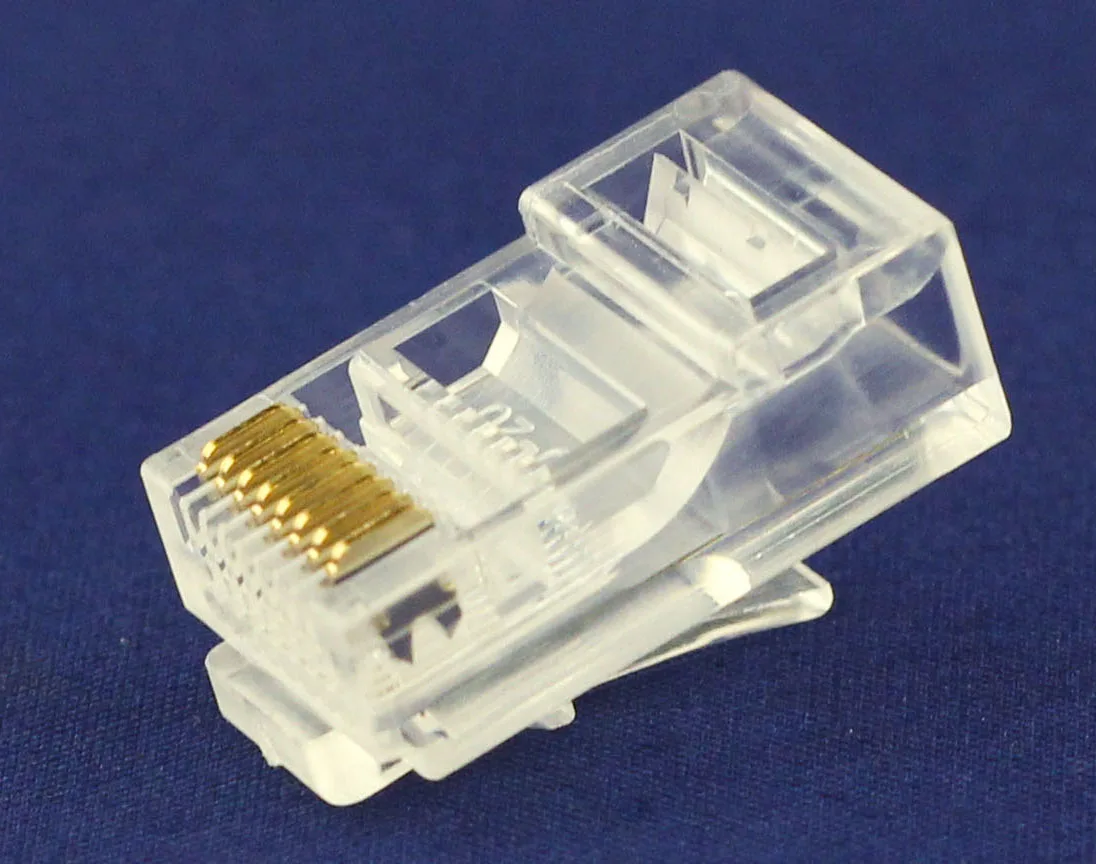
Shipment inspection and receiving acceptance should be defined as two connected activities with different observation points. The supplier checks product before dispatch, while the buyer sees the condition after transport and handling. Agreeing the evidence for both stages makes it easier to investigate a disagreement without guessing where a defect originated.
For an order drawn from the USB-C connector family, begin with the exact item, drawing revision and approved requirements. A family photograph cannot define the accepted condition of a shipment. Commercial responsibilities and response periods must come from the actual order and agreement, not from a generic checklist.

Figure 1. CZT coordinate-measurement equipment. Supplier-release and receiving records need identified methods, specimen identity and comparable dimensional evidence. CZT source · Original image.
Define the pre-shipment inspection record
Identify the characteristics checked before release and the method used for each. Include sample selection, product identity and the required inspection report. Where approved limit samples are used, name their revision and the feature they illustrate.
Separate measurements from document checks. A report stating that the correct drawing was available does not establish that the relevant dimensions were inspected. Similarly, a production electrical result does not by itself establish the condition of every exposed shell or terminal after packing.
Record any accepted deviation with its actual authorization and applicability. Do not let a handwritten note on a report become an undefined change to the product specification.
Set the receiving checks independently
The buyer should verify shipment identity and condition before combining stock with existing inventory. Define what is checked at receipt and what supplier evidence is reviewed rather than repeated.
| Stage | Evidence to retain |
|---|---|
| Supplier release | Item, revision, lot and inspection results |
| Dispatch condition | Relevant product and shipment identification |
| Receipt | Package condition, labels and received quantity |
| Buyer inspection | Method, sample identity and measured findings |
| Disagreement review | Requirement reference and preserved comparison material |
Choose sampling and acceptance rules through the applicable quality plan and agreement. This article does not prescribe a universal inspection quantity or contractual rejection rule.
Distinguish damage observations from conclusions
If damage is found, photograph the shipment and affected product before further handling. Keep the package-to-lot relationship traceable and preserve representative specimens.
For a hypothetical connector delivery, bent exposed features in one received package may be consistent with transport handling, manufacturing or another event. The observation should trigger comparison with the release evidence and physical condition. It does not establish responsibility by appearance alone.
Use the same defect definitions and measurement conditions on both sides. A disagreement caused by different viewing angles or dimensional datums needs a method review before deciding whether the product differs.
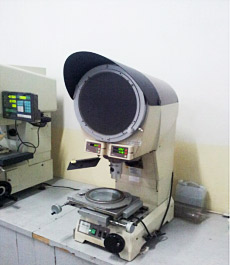
Figure 2. CZT optical-inspection equipment. A separate inspection method illustrates acceptance planning; neither equipment photo assigns transport or manufacturing responsibility. CZT source · Original image.
Agree the evidence handoff
Define who receives the report, what information accompanies samples and how the joint review records its findings. Keep suspect material identified until its disposition is authorized under the actual process.
The outcome should be a documented acceptance or nonconformance decision with supporting evidence. Clearly separated shipment and receipt records make that decision more reproducible and avoid treating either stage as automatic proof of the product's condition at the other stage.
Connect this review to CZT product information
Examples for applying this worksheet are listed below. Use the identifiers to request the current drawing and confirm the configuration required by your application.
| Catalog reference | Product information | Drawing record | Reference inquiry |
|---|---|---|---|
| QWY-1062-7 | 4001 Series 8-position modular socket, QWY-1062-7 | Listed PDF | Ask about this reference |
| QWY-1013-10 | 8P8C modular plug, QWY-1013-10 | Listed PDF | Ask about this reference |
A catalog drawing reference is a starting document, not a substitute for reviewing its revision, options and suitability for the complete assembly.
Browse the relevant product family · View catalog resources
Discuss a drawing, sample or quotation
Share the part or family reference, current drawing revision, operating conditions and quantities. Include the specific checks described in this article so the inquiry identifies both the component and the evidence needed for your decision. Confirm sample availability and the proposed scope with the supplier.
Request a technical review or quotation
For broader context, read the related selection guide.