A custom-connector quotation should separate nonrecurring work, sample costs and recurring production price. A single total can conceal tooling, revisions, inspection or packaging that another supplier excludes. Compare the same technical configuration and commercial boundary before deciding which proposal costs less.
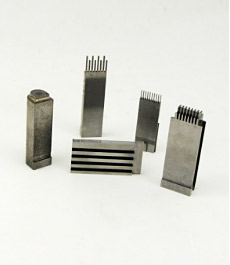
Figure 1. CZT tooling workpieces. These official examples help distinguish one-time tooling scope from recurring component production costs. CZT source · Original image.
Define the quoted construction
Attach the controlled drawing, BOM and required evidence to the quotation request. Identify which characteristics are fixed and which allow a supplier proposal. If the supplier quotes an alternative, require its drawing and exceptions to be stated explicitly.
CZT's USB Type-C connector family includes catalog examples for an initial interface discussion. A familiar product name does not establish the cost of a custom modification or prove that a proposed tool or process already exists. Request a construction-specific quotation and engineering response.
Separate one-time and recurring charges
Ask what each tooling or engineering fee covers. Distinguish a new tool, modification to an existing tool, fixtures and inspection equipment. Confirm ownership, maintenance responsibility and access or transfer arrangements in the applicable commercial agreement rather than assuming the fee settles those matters.
Sample charges should identify quantity, manufacturing method and included inspection. A hand-made fit sample and a production-intent sample may answer different questions and have different costs. Keep their purpose visible in the quote.
A quotation breakdown table
| Cost line | Information to confirm |
|---|---|
| Engineering | Drawings, reviews and included revision scope |
| Tooling and fixtures | Purpose, deliverables and agreed ownership terms |
| Samples | Quantity, construction and inspection included |
| Validation | Tests, reports and external-laboratory responsibility |
| Production units | Quantity breaks and recurring included operations |
| Delivery items | Packaging, labels, transport and tax treatment as quoted |
This table is a working comparison structure. It does not imply that every line is chargeable or that a specific supplier includes a service without confirmation.
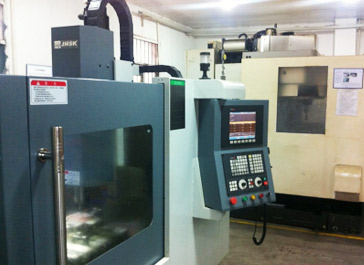
Figure 2. CZT tooling-machining workshop. A machining-workshop photograph gives context for one-time tool work; it establishes no quotation or contractual entitlement. CZT source · Original image.
Check changes and milestone assumptions
Ask how drawing revisions, additional trials and failed sample evaluations affect cost. Identify which iterations are included and which require a new approval. Tie payment or release milestones to clearly defined deliverables where the parties agree.
For a hypothetical comparison, one supplier's lower tooling fee may exclude a checking fixture and first-article report that another includes. Align those deliverables before comparing the totals. Otherwise, the apparently cheaper proposal may simply defer part of the required work.
Keep requested dates separate from confirmed lead times, and identify what event starts each period. A sample estimate based on an unfinished drawing is not the same as a confirmed schedule after design approval.
Require the supplier to identify excluded items explicitly. A blank line in a quotation can mean included, unavailable or overlooked; resolve its meaning before the comparison becomes a purchasing decision.
Retain the accepted quotation with its technical revision and documented exceptions. When the design changes, update that record rather than allowing production to proceed against an older cost assumption. This makes the commercial decision traceable to a defined connector and a complete set of deliverables.
Connect this review to CZT product information
Start with the relevant CZT product family and provide the original interface reference or controlled drawing. Ask which configurations and supporting documents are available for the task described here. Confirm the mating arrangement, required features and project conditions before choosing an orderable part.
Browse the relevant product family · View catalog resources
Discuss a drawing, sample or quotation
Share the part or family reference, current drawing revision, operating conditions and quantities. Include the specific checks described in this article so the inquiry identifies both the component and the evidence needed for your decision. Confirm sample availability and the proposed scope with the supplier.
Request a technical review or quotation
For broader context, read the related selection guide.