A connector's load-carrying rating does not by itself establish permission to interrupt DC current. Before specifying load-break operation, obtain evidence for the exact model, electrical conditions and operating sequence. Treat the switching function as a separate requirement from ordinary connected operation.
Anderson's Powerpole assembly instructions, for the parts covered by that document, explicitly restrict disconnection under load. Other products require their own documents. This example illustrates why a general brand or interface nickname cannot define switching capability for candidates in the automotive connector family.
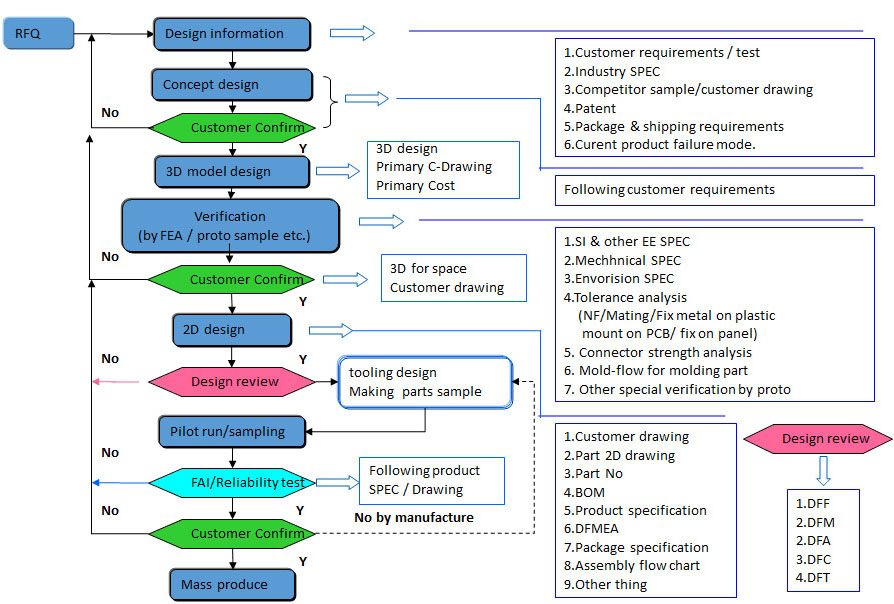
Figure 1. CZT development-flow diagram. A load-break request needs a defined requirement and evidence gate rather than a carrying-current assumption. CZT source · Original image.
Write the intended electrical action
Describe whether the operator connects an energized source, disconnects a flowing current or performs both actions. Record voltage, current, load behavior and switching frequency. Include relevant system elements such as stored energy, protection and any device intended to remove current before separation.
Clarify the normal sequence and the credible service sequence. If a control function is intended to reduce current first, identify how the system confirms that condition. An operating instruction and an implemented interlock are different forms of evidence.
Do not ask a supplier only whether a connector is suitable for a battery. That description leaves the actual switching requirement undefined.
Request model-specific evidence
Ask for the product instructions, applicable test report and documented limitations for the proposed action. Confirm that the evidence covers the actual contact system and configuration rather than a similarly named product.
| Evidence question | Reason for asking |
|---|---|
| Which exact model was evaluated? | Prevents family-level extrapolation |
| What voltage and load were used? | Defines the electrical boundary |
| How many operations were evaluated? | Defines the demonstrated sequence |
| What post-test criteria applied? | Shows what acceptable meant |
| What restrictions remain? | Identifies required system conditions |
A report that only measures temperature during continuous operation does not answer these questions.
Evaluate the complete system arrangement
For a hypothetical serviceable battery module, the design might use a separate device to remove current before the connector is released. Engineering must review that sequence and its verification instead of assigning the connector an unproven switching role.
If energized operation is a real requirement, use the responsible design authority and a suitably equipped laboratory to define the necessary validation. An improvised bench disconnection is not an adequate qualification method and can damage the sample before useful evidence is collected.

Figure 2. CZT dielectric-test bench. This electrical-test bench illustrates why test scope matters: dielectric-withstand equipment is not proof of DC interruption capability. CZT source · Original image.
Make purchasing descriptions unambiguous
Write the approved model and operating restrictions into the specification. Distinguish continuous carrying, energized mating and current interruption rather than summarizing them as a single current figure.
Retain the supporting report, instructions and system sequence with the approval. Review changes to voltage, load, protective devices or operating frequency against that evidence. A precise specification lets purchasing reject unsupported substitutions and lets service documentation describe the actual approved procedure without relying on assumptions about a familiar connector shape.
Connect this review to CZT product information
Start with the relevant CZT product family and provide the original interface reference or controlled drawing. Ask which configurations and supporting documents are available for the task described here. Confirm the mating arrangement, required features and project conditions before choosing an orderable part.
Browse the relevant product family · View catalog resources
Discuss a drawing, sample or quotation
Share the part or family reference, current drawing revision, operating conditions and quantities. Include the specific checks described in this article so the inquiry identifies both the component and the evidence needed for your decision. Confirm sample availability and the proposed scope with the supplier.
Request a technical review or quotation
For broader context, read the related selection guide.