A connector housing should be dimensioned from the interfaces that locate and retain the mating component. Convenient outside surfaces are not always the best datums. If the drawing's measurement scheme differs from the way the assembly actually seats, inspection can pass a housing that still creates a mating problem.

Figure 1. CZT MINI SAS structural component. The mating and mounting geometry needs controlled datums rather than visual similarity. CZT source · Original image.
Identify the locating sequence
Show which face seats first, which feature controls lateral position, and which stop defines insertion depth. Include latch, seal, fastener and board relationships where they affect the final location. A mating envelope should distinguish the required clearance from surfaces that merely surround the connector.
Discuss how the casting and any machined features establish these relationships. If a locating face is machined after casting, the machining datum and fixture condition need to preserve the intended interface. Dimensions tied to unrelated surfaces can accumulate variation across the process sequence.
Make the inspection reflect assembly
| Interface element | What to establish |
|---|---|
| Seating face | Datum and delivered surface condition |
| Lateral locator | Position relative to the mating component |
| Depth stop | Functional distance and relevant tolerance stack |
| Latch or fastener | Engagement space and retained condition |
| Seal or shield | Contact zone and compression or seating boundary |
Where a functional gauge is useful, control the gauge definition and explain what it evaluates. A gauge may confirm that an interface fits within an envelope while leaving a local dimension or finish requirement to another method.
Use both dimensional and assembly evidence
Inspect the housing against the drawing, then perform a representative mating check with identified parts. Record any force, interference or alignment observations using an agreed method. Do not force a sample together and treat successful engagement as proof that the dimensional relationship is correct.
The CZT precision die-casting catalog includes connector-related structural references. MINI SAS or OSFP wording identifies a catalog association, not a guarantee of interchangeability with a particular third-party assembly. Request the actual mating drawing before using a reference in the design.
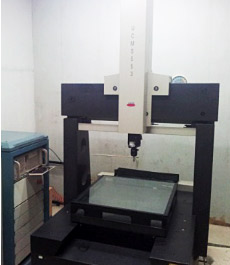
Figure 2. CZT coordinate-measurement equipment. The official metrology image is relevant to first-article critical-dimension checks, without reporting a tolerance result. CZT source · Original image.
Review proposed deviations at the interface
A supplier may suggest moving a datum, changing a corner radius or machining a local area to improve manufacture. Evaluate the proposal against seating, clearance and retention together. A small geometric concession can matter if it removes the surface that actually locates the connector.
Keep the accepted drawing, gauge definition and mating-sample identities in one approval record. Recheck affected interfaces after tooling maintenance, machining changes or mating-part revisions. This turns a one-time fit demonstration into a controlled relationship that purchasing and production can reproduce on later deliveries.
Record residual gaps and the observed seating sequence before approving a fit. If more than one mating source will be used, identify each source in the evaluation instead of assuming that a single convenient counterpart represents the full production interface.
Connect this review to CZT product information
Start with the relevant CZT product family and provide the original interface reference or controlled drawing. Ask which configurations and supporting documents are available for the task described here. Confirm the mating arrangement, required features and project conditions before choosing an orderable part.
Browse the relevant product family · View catalog resources
Discuss a drawing, sample or quotation
Share the part or family reference, current drawing revision, operating conditions and quantities. Include the specific checks described in this article so the inquiry identifies both the component and the evidence needed for your decision. Confirm sample availability and the proposed scope with the supplier.