A sealed die-cast enclosure needs separate requirements for internal discontinuities and for actual leakage. The two are related, but they are not interchangeable. An image showing a pore does not by itself define the leak path, and a passing leak result does not describe every internal feature of the casting.
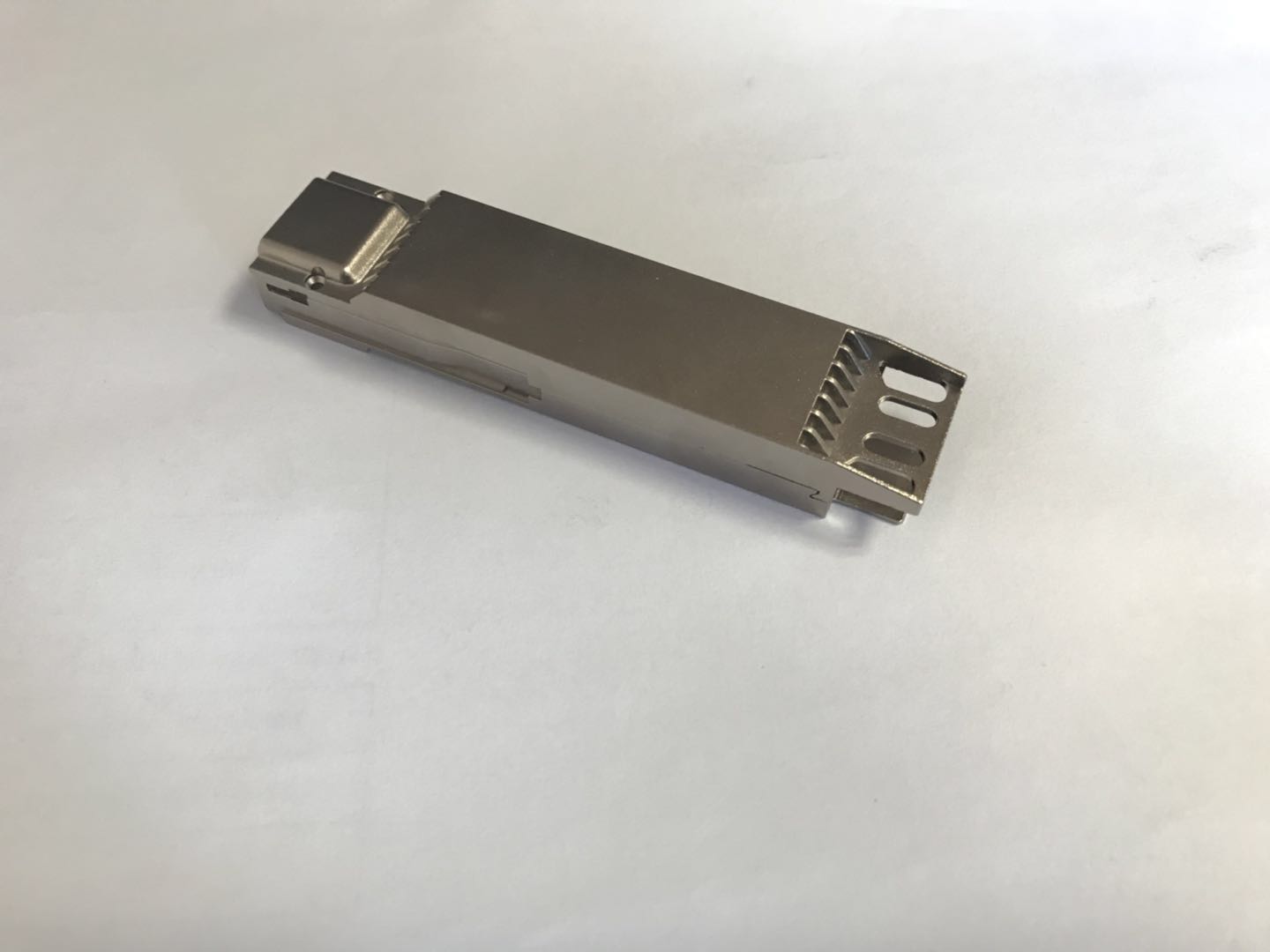
Figure 1. CZT OSFP structural component. A structural-component catalog image is not evidence of porosity limits or a sealed-enclosure result. CZT source · Original image.
Define the complete sealing boundary
Mark the enclosure walls, machined faces, plugs, threads, seals and cable interfaces that separate the test volume from the environment. Decide whether acceptance applies to the bare casting, the machined casting or the assembled enclosure. Combining results from these different conditions can hide where the evidence actually applies.
Machining may expose features that were not open at the original surface. If a functional face will be cut after an early test, determine whether the finished condition requires another evaluation. Discuss any permitted repair or impregnation process before assuming it is included in the quotation.
Write a reproducible leakage requirement
| Requirement | Define explicitly |
|---|---|
| Test article | Revision, finish and assembly state |
| Boundary | Ports, seals, fixtures and included joints |
| Test method | Medium, pressure conditions and measurement principle |
| Acceptance | Project-specific limit and interpretation of instrument output |
| Sequence | Cleaning, machining, treatment and test order |
| Rework | Permitted operations and required re-evaluation |
The test pressure and rejection limit must come from the product requirements and agreed engineering method. This article does not provide universal settings for every enclosure or claim that a catalog casting has passed them.
Keep internal-quality evidence distinct
If radiography, sectioning or another method is needed, define the locations and acceptance basis with the responsible specialists. A general porosity statement without the relevant section or feature may not address the actual sealing concern.
Investigate a failed leak test using a controlled localization method. Check the fixture and non-casting joints as well as the casting. Otherwise an assembly seal or test connection can be mistaken for a material defect.
Use the CZT die-casting component family as an inquiry route for the proposed housing. Request the actual material, machining and available quality evidence for the selected reference; its structural-part label does not establish sealed-enclosure performance.
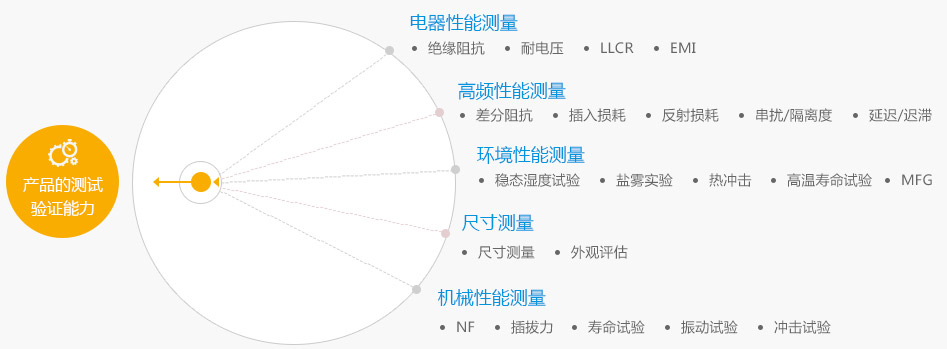
Figure 2. CZT qualification-area diagram. A qualification-planning diagram reinforces that the required leak boundary and internal-quality method need their own evidence; it is not a leak-test setup. CZT source · Original image.
Approve the delivered condition
Evaluate representative finished samples using the controlled boundary. Keep the test record connected to the casting batch, machining revision and any treatment. When a supplier proposes a tool, process or repair change, assess whether it can affect the sealing route before reusing the old result.
A useful specification tells both parties which condition is delivered, how that condition is measured, and what happens after a failure. That clarity is more valuable than a broad claim that the casting is airtight without a defined method or assembly state.
Connect this review to CZT product information
Start with the relevant CZT product family and provide the original interface reference or controlled drawing. Ask which configurations and supporting documents are available for the task described here. Confirm the mating arrangement, required features and project conditions before choosing an orderable part.
Browse the relevant product family · View catalog resources
Discuss a drawing, sample or quotation
Share the part or family reference, current drawing revision, operating conditions and quantities. Include the specific checks described in this article so the inquiry identifies both the component and the evidence needed for your decision. Confirm sample availability and the proposed scope with the supplier.