An aluminum-versus-zinc die-casting decision should begin with the required alloy designation and the finished component's function. A generic material name is too broad to control mechanical behavior, finishing or process compatibility. The purchasing record should show which material was reviewed, how its identity is supported and which changes require approval.

Figure 1. CZT MINI SAS structural component. A real structural component provides material-selection context; alloy identity is not inferred from appearance. CZT source · Original image.
Define what the material must accomplish
List the functional priorities: mass, stiffness, thread behavior, surface treatment, dimensional detail, corrosion environment and any thermal path. Discuss them with the casting supplier rather than choosing from a single headline property. Published alloy data may describe a particular condition or specimen and should not be treated as the guaranteed behavior of every feature in the finished casting.
Keep process and material decisions connected. A proposed material change may affect tooling, filling, machining or finishing. A substitution that appears similar by chemistry can still require a new assessment of the component and its production route.
Request evidence with a traceable identity
| Document or record | What it should identify |
|---|---|
| Material designation | Applicable specification and agreed alloy name |
| Supply evidence | Material source, batch and relevant composition record |
| Process record | Casting route and any customer-controlled conditions |
| Finished-part inspection | Part number, drawing revision and sample identity |
| Surface-treatment record | Treatment source and compatibility with the agreed material |
Do not confuse a generic supplier brochure with a batch-specific material record. Also distinguish material evidence from part-performance evidence. A chemical analysis can support alloy identification; it does not, by itself, establish the casting's leak performance or fatigue behavior.
Make the choice visible on the drawing
Place the agreed designation and permitted alternatives in the controlled definition. If a supplier proposes an alternative, record its exact identity and the reason for the change. Identify the dimensions, functional tests and finishing checks that could be affected before approving the substitution.
The CZT precision die-casting component family includes structural-part catalog references relevant to a component discussion. Their labels do not confirm an alloy or material certificate. Use a selected reference to request the actual material definition and any available supporting records.
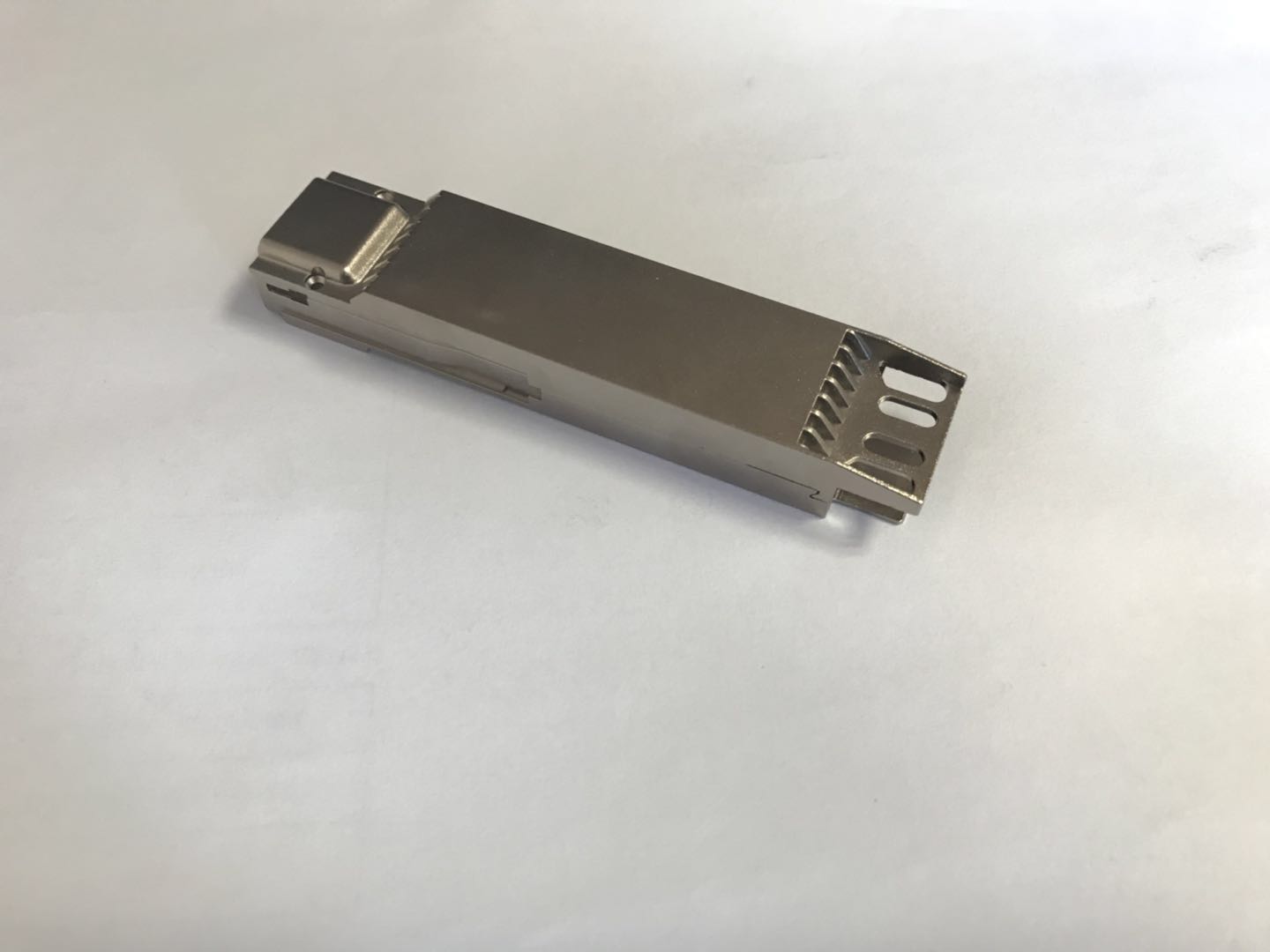
Figure 2. CZT OSFP structural component. A second structural reference illustrates why the delivered material and condition require their own evidence. CZT source · Original image.
Review the finished component, not only its certificate
For a connector housing, check the mating geometry and mounting features as well as the material. For an enclosure, include sealing faces and threaded joints where applicable. Inspection should refer to the same revision and manufacturing condition as the material documentation.
A practical approval package connects material identity, process route, finish and functional results to an identified sample. Keep unresolved information as an open item rather than filling it with assumptions. This provides a sound basis for comparing quotations and for deciding whether a later alloy or supplier change can use existing evidence or requires additional verification.
Connect this review to CZT product information
Start with the relevant CZT product family and provide the original interface reference or controlled drawing. Ask which configurations and supporting documents are available for the task described here. Confirm the mating arrangement, required features and project conditions before choosing an orderable part.
Browse the relevant product family · View catalog resources
Discuss a drawing, sample or quotation
Share the part or family reference, current drawing revision, operating conditions and quantities. Include the specific checks described in this article so the inquiry identifies both the component and the evidence needed for your decision. Confirm sample availability and the proposed scope with the supplier.