A die-casting tool quotation should describe the production system the tool is expected to support. Cavity count, maintenance responsibilities and the meaning of any life estimate affect the value of the offer. A single tooling price without these assumptions can hide differences that appear only after production starts.
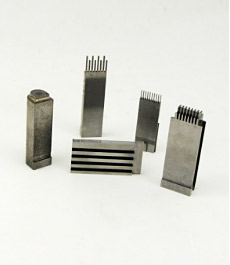
Figure 1. CZT tooling workpieces. These official examples provide context for discussing tool scope, replacement components and maintenance assumptions. CZT source · Original image.
Define the quoted configuration
Identify the part revision, material, cavity arrangement and included secondary operations. Clarify whether the price covers initial design, trial work, sampling, fixtures and later modifications. If inserts or wear items are treated separately, list them rather than allowing the tooling scope to depend on informal expectations.
Cavity count is not simply a multiplier for output. Filling, quality consistency, machine availability and downstream operations can influence useful production rate. Ask the supplier to explain the assumptions behind the proposed configuration instead of converting nominal cycle time directly into delivery capacity.
Break out the commercial and technical scope
| Topic | Question to resolve |
|---|---|
| Tool definition | Which drawing and cavity configuration are quoted? |
| Trial work | What samples, reports and review rounds are included? |
| Maintenance | Which planned tasks and wear items belong to each party? |
| Changes | How are customer design changes and corrective work distinguished? |
| Records | What identifiers and maintenance history will be retained? |
| End-of-use arrangements | How will storage, movement or retirement be agreed? |
Ownership and commercial commitments belong in the parties' actual order and agreement. This article provides inquiry prompts rather than interpreting legal rights or promising a particular contractual outcome.
Treat life estimates as conditional
Ask what the estimate measures, under which material and operating assumptions, and what maintenance it includes. Distinguish a planning estimate from a defined contractual commitment. A tool can require replacement of selected components before the entire tool is considered retired.
Use the CZT die-casting component family to identify the structural reference and attach the proposed custom drawing. Do not infer a tool configuration, ownership arrangement or life guarantee from a product listing.
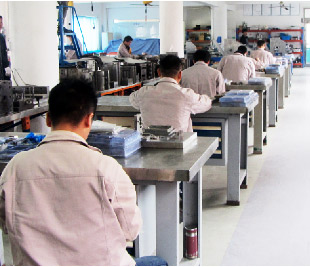
Figure 2. CZT mold-assembly workbenches. The manufacturer's mold-assembly workshop is process context only and establishes no ownership term, guaranteed tool life or current capacity. CZT source · Original image.
Connect quotation approval to production evidence
Agree on the trial-part requirements and the checks that will demonstrate readiness. A tool that produces a visually acceptable first sample may still need dimensional correction, process stabilization or qualification of downstream operations. Track these milestones separately from the payment schedule.
Maintain a revision history of the quoted scope. When geometry changes, ask which parts of the tool, fixture or inspection plan are affected and whether the original capacity assumptions still apply. A comparable tooling quote should make the engineering boundary and service responsibilities visible enough that the purchasing team can understand what it is buying over the program's intended life.
Connect this review to CZT product information
Start with the relevant CZT product family and provide the original interface reference or controlled drawing. Ask which configurations and supporting documents are available for the task described here. Confirm the mating arrangement, required features and project conditions before choosing an orderable part.
Browse the relevant product family · View catalog resources
Discuss a drawing, sample or quotation
Share the part or family reference, current drawing revision, operating conditions and quantities. Include the specific checks described in this article so the inquiry identifies both the component and the evidence needed for your decision. Confirm sample availability and the proposed scope with the supplier.