A useful die-casting drawing shows where the die opens, which surfaces must release, and which faces have controlled appearance or function. Parting lines and draft are manufacturing decisions with consequences for fit, finishing and inspection. Leaving them until tooling review can force avoidable changes to an already crowded assembly.

Figure 1. CZT OSFP structural component. The structural-part photograph provides a real geometric reference, not a released parting or draft definition. CZT source · Original image.
Start with the proposed opening direction
Review the component in the intended tool orientation. Identify features that can be formed in that direction and those that might need a side action or secondary operation. Discuss the options with the toolmaker; a visually simple outside shape can contain an internal feature that makes release difficult.
Draft should be resolved for the actual geometry, material and surface condition. Do not prescribe one angle for every feature using a rule taken from an unrelated casting. Identify functional walls where a draft change could alter mating clearance or contact with another part.
Mark the surfaces that matter
| Surface or feature | Define before tool release |
|---|---|
| Parting line | Proposed location and acceptable mismatch or flash condition |
| Cosmetic face | Viewing condition, texture and agreed appearance reference |
| Mating interface | Datum, finished dimensions and permitted transition features |
| Sealing land | Surface condition and any secondary machining requirement |
| Ejector contact | Permitted locations and functional or cosmetic restrictions |
A cosmetic classification should not obscure a functional requirement. An area can be hidden in normal use but still determine whether the connector seats or a seal compresses correctly.
Make allowances explicit
Discuss where trimming, deburring or machining changes the delivered surface. If a parting line crosses a critical interface, define how its final condition will be inspected. A drawing dimension without a realistic inspection view can create disagreement after tools are already built.
Use assembly sections to show why a surface is important. A supplier can make more useful proposals when it can see the mating component, installation direction and space constraints instead of only a standalone model.
For CZT structural casting references, request the actual drawing and proposed tooling approach before inferring that a catalog shape can be reproduced with a different wall or surface requirement.
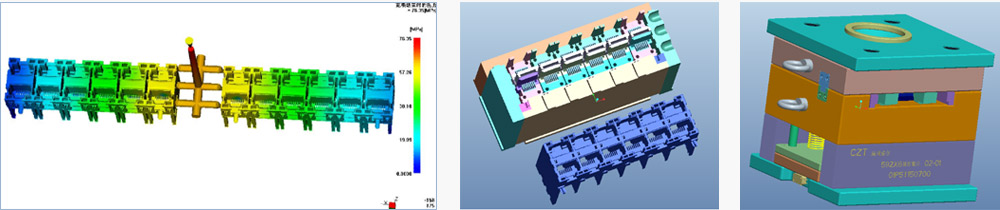
Figure 2. CZT tooling CAD examples. Official tooling CAD imagery illustrates design review; the shown tooling is not asserted to be this structural part's die. CZT source · Original image.
Review trial parts against the agreed concept
Inspect the parting area, drafted features and appearance zones on identified trial samples. Compare the physical part with the approved tool-review decisions, including any concessions. Record photographs using agreed lighting and orientation where visual criteria matter.
If the first trial requires moving a parting line or changing a draft, update the drawing and reassess affected assembly dimensions. Keep the manufacturing review linked to the released revision so subsequent orders do not rely on informal toolroom decisions that never reached the purchasing definition.
Connect this review to CZT product information
Start with the relevant CZT product family and provide the original interface reference or controlled drawing. Ask which configurations and supporting documents are available for the task described here. Confirm the mating arrangement, required features and project conditions before choosing an orderable part.
Browse the relevant product family · View catalog resources
Discuss a drawing, sample or quotation
Share the part or family reference, current drawing revision, operating conditions and quantities. Include the specific checks described in this article so the inquiry identifies both the component and the evidence needed for your decision. Confirm sample availability and the proposed scope with the supplier.