A casting's appearance should be evaluated in the condition in which the customer will use or receive it. Finishing can reveal, cover or change the visibility of a surface feature, so an approved raw-casting sample is not automatically an approved painted or plated sample.
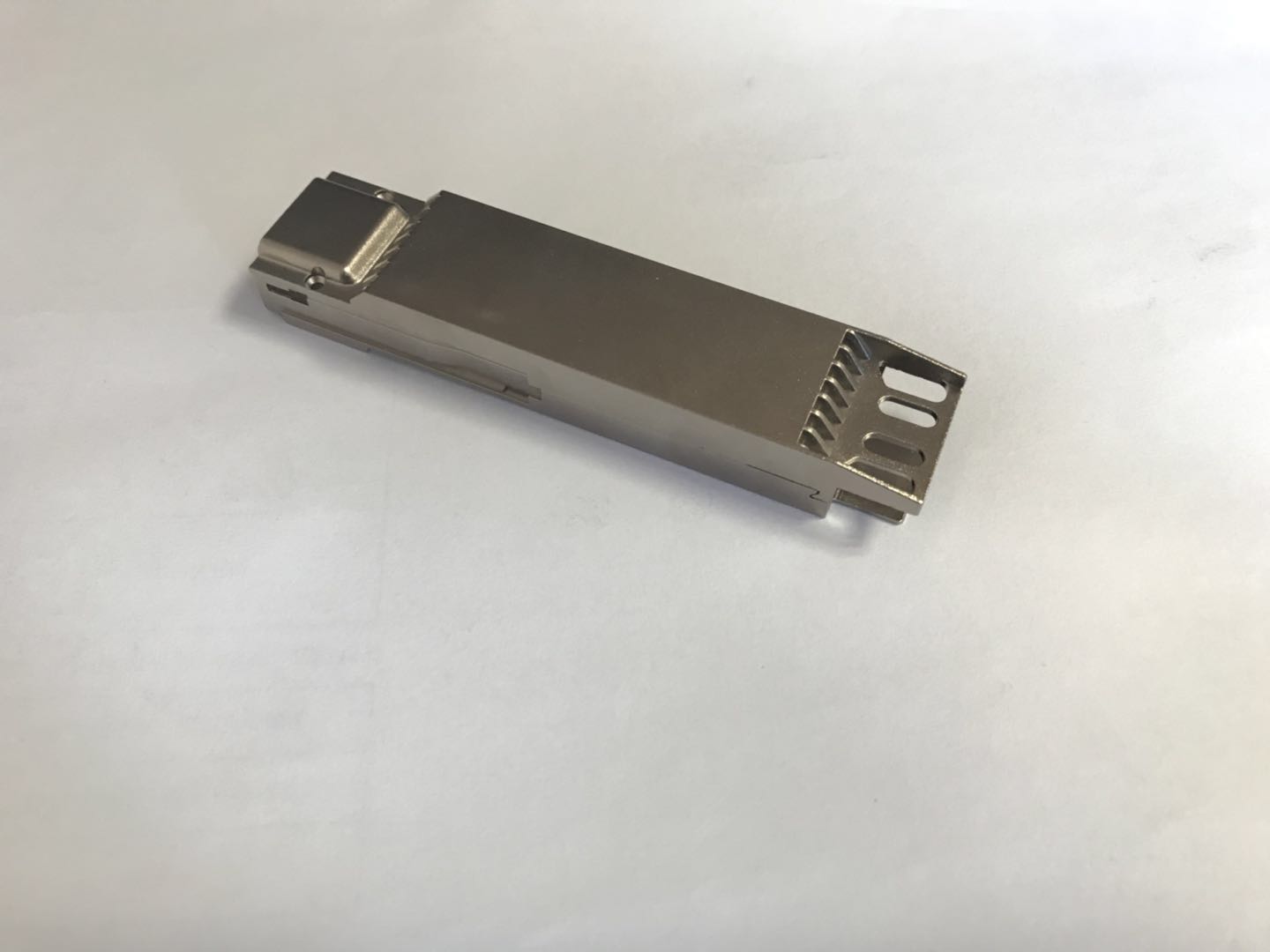
Figure 1. CZT OSFP structural component. One real surface appearance is shown as a catalog example, not an accepted cosmetic limit sample. CZT source · Original image.
Separate appearance from function
Map the visible faces, mating faces, sealing lands and hidden regions. Define where a mark is a cosmetic concern and where it can affect fit, cleaning or function. A single all-surfaces-perfect requirement is difficult to inspect and may spend effort on areas that have no customer value.
Agree on viewing distance, lighting, orientation and whether magnification is used. Without these conditions, two inspectors can reach different decisions while both believe they are following the same visual limit.
Build a representative limit-sample set
| Reference | What it should show |
|---|---|
| Accepted appearance | Normal process variation in the delivered finish |
| Rejection boundary | A specific defect type at the agreed limit |
| Functional exception | A location requiring a different acceptance basis |
| Identification | Part, finish, revision and approval date |
| Viewing setup | Lighting, angle and inspection condition |
Use actual controlled samples or clear images of them. An isolated photograph can lose scale, depth or reflectivity information. Where the image cannot reproduce the decision reliably, retain a physical reference and specify its handling.
Review the finishing sequence
Document which cleaning, polishing, coating or plating operations occur before final inspection. If a defect is found after finishing, determine whether the cause originated in casting, preparation or the finish itself. Keep evidence from the relevant process stages instead of assigning the problem from appearance alone.
A CZT precision die-casting reference can anchor the component discussion. Ask for the actual material, proposed finish and available sample evidence. A catalog image does not define a production acceptance limit or guarantee an identical cosmetic result.

Figure 2. CZT QSFP structural component. A second official structural-part photograph illustrates why appearance must be tied to a defined construction and inspection condition. CZT source · Original image.
Control repairs and deviations
Decide whether local rework is permitted, how it will be identified and which surfaces require reinspection afterward. A repair may improve appearance while changing a critical edge or coating thickness. Technical approval should cover the delivered condition, not merely the intention to make it look better.
Keep limit samples connected to the current drawing and finish designation. Replace or reapprove them when they fade, become damaged or no longer represent the process. When changing a coating source or casting tool, compare new samples against the controlled references before assuming the old visual approval still applies. This gives purchasing and quality teams a consistent basis for accepting parts without turning every surface variation into an improvised debate.
Record the acceptance owner and sample identifiers when a visual boundary is approved so later inspectors can reproduce the same decision.
Connect this review to CZT product information
Start with the relevant CZT product family and provide the original interface reference or controlled drawing. Ask which configurations and supporting documents are available for the task described here. Confirm the mating arrangement, required features and project conditions before choosing an orderable part.
Browse the relevant product family · View catalog resources
Discuss a drawing, sample or quotation
Share the part or family reference, current drawing revision, operating conditions and quantities. Include the specific checks described in this article so the inquiry identifies both the component and the evidence needed for your decision. Confirm sample availability and the proposed scope with the supplier.