The transition from a die-cast blank to CNC machining should preserve the component's functional relationships. A machining fixture needs repeatable support, but the most convenient casting surface may not be the surface that matters in the final assembly. Define the locating strategy before evaluating the finished dimensions.
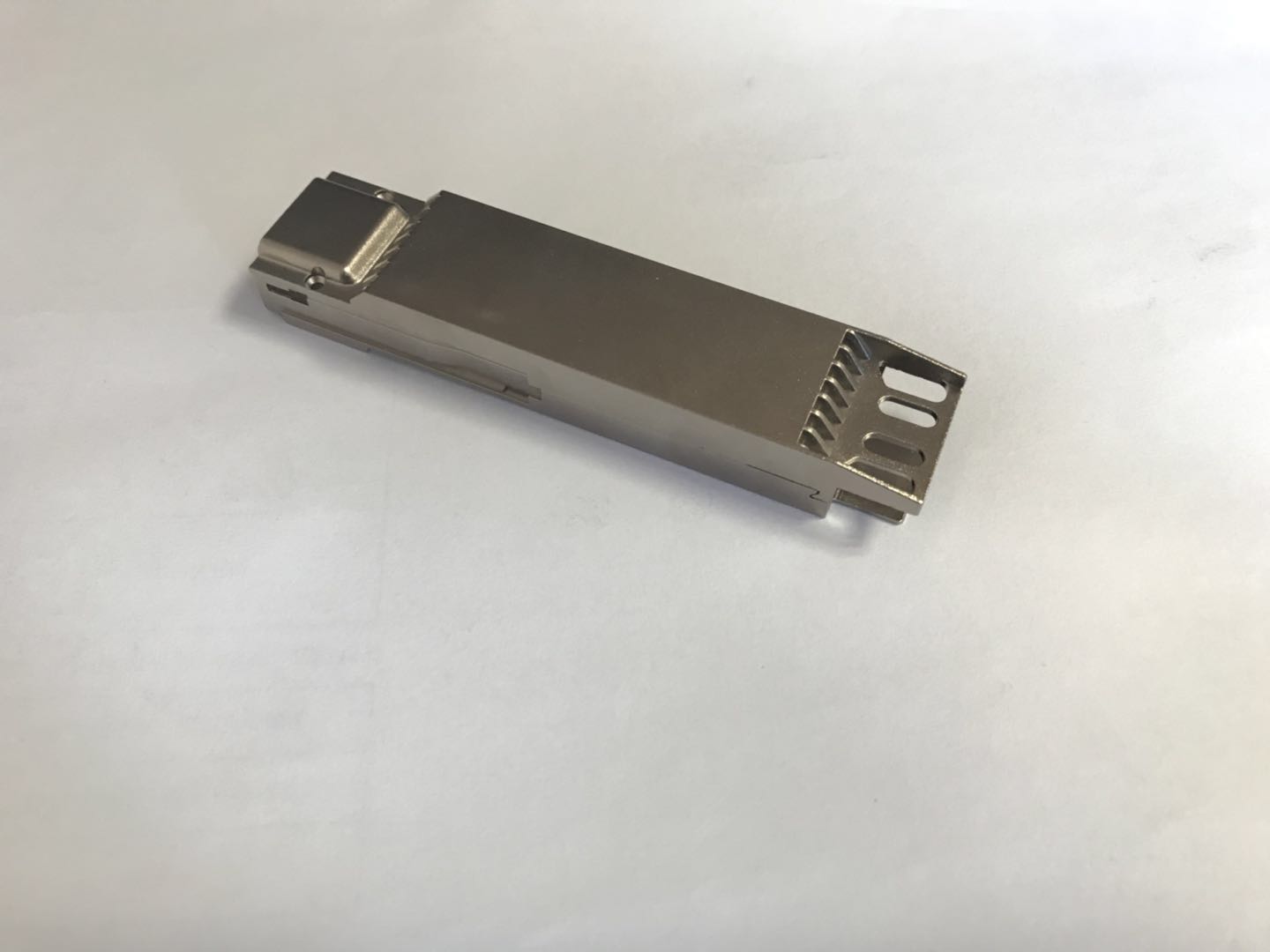
Figure 1. CZT OSFP structural component. A real structural reference supplies context for the blank-to-finished-part datum review. CZT source · Original image.
Map the process datum chain
Identify the surfaces available on the blank, the surfaces created during machining, and the datums used for final inspection. Show how each operation establishes the next. If a critical mating face is produced in a later setup, examine how variation from earlier supports can affect its position.
Distinguish locating from clamping. A clamp should secure the part without changing the shape in a way that disappears when the part is released. Thin walls or unsupported areas may need a different arrangement from a thick mounting feature. Discuss this using the actual geometry and process capability rather than a generic fixture sketch.
Review the blank-to-finished interface
| Item | Question for the supplier |
|---|---|
| Initial locators | Which as-cast surfaces establish the first setup? |
| Machining stock | Is sufficient material present at the required location? |
| Support points | Can the fixture hold the part without unacceptable distortion? |
| Setup transfer | How are new datums carried into later operations? |
| Final inspection | Is the delivered part measured in a representative free or constrained state? |
A final dimension can appear stable while its relationship to the assembly changes. Inspection should therefore evaluate the important datum relationships, not only isolated feature sizes.
Define the stock condition
Agree on the blank condition, trimming and any treatment before machining. A supplier change to the casting can alter the available stock or fixture seating even if the finished drawing stays the same. Mark minimum material conditions or inspection needs where the process depends on them.
For CZT precision die-cast components, request both the finished definition and the proposed manufacturing sequence for the chosen reference. The catalog's structural-part identity does not establish a machining allowance or an approved locating scheme.
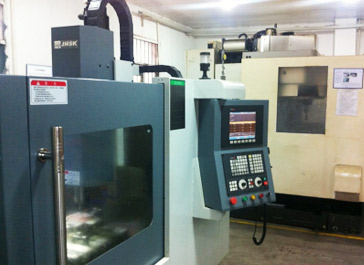
Figure 2. CZT tooling-machining workshop. The official tooling-machining photograph illustrates fixturing context, not a validated process route for this part. CZT source · Original image.
Check first-off and released measurements
Inspect trial parts before and after removal from the fixture where distortion is a concern. Keep the measurement method, support and temperature conditions consistent. If re-clamping changes the result, investigate the support arrangement rather than hiding the effect through an increasingly restrictive inspection fixture.
Record the agreed locator scheme and critical setup checks in the process documentation. When a fixture is repaired, a blank supplier changes or an operation moves to another machine, review the affected datum chain. This helps distinguish a genuine component problem from a setup difference and keeps later production aligned with the assembly intent that justified the original machining plan.
Connect this review to CZT product information
Start with the relevant CZT product family and provide the original interface reference or controlled drawing. Ask which configurations and supporting documents are available for the task described here. Confirm the mating arrangement, required features and project conditions before choosing an orderable part.
Browse the relevant product family · View catalog resources
Discuss a drawing, sample or quotation
Share the part or family reference, current drawing revision, operating conditions and quantities. Include the specific checks described in this article so the inquiry identifies both the component and the evidence needed for your decision. Confirm sample availability and the proposed scope with the supplier.