A serviceable ESS busbar cover should preserve the required contact protection while allowing the intended inspection and maintenance tasks. Design the cover around a defined service sequence, tool access and the complete conductive geometry. A cover that fits the CAD outline can still obstruct fastening or expose an unexpected path when removed.
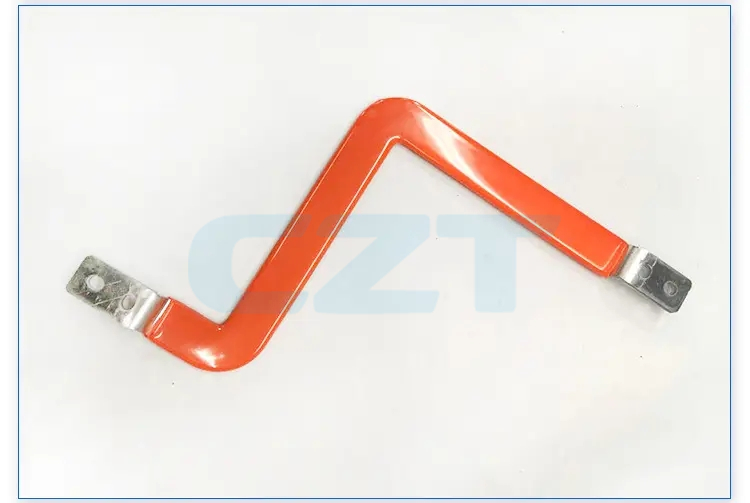
Figure 1. CZT insulated busbar example highlights exposed terminal ends that remain part of the service-access and contact-protection review. CZT source · Original image.
Define the service task first
List what technicians are expected to inspect, disconnect or replace, and under which controlled equipment state. Identify which covers are removed and which remain in place. The engineering review should distinguish normal operation, installation and authorized service conditions.
Draw the tool approach and removal path. Include fastener engagement, hand clearance and the travel needed to remove the cover without striking adjacent parts. A nominally accessible screw may become unreachable after neighboring cables are installed.
Review protection at the installed boundary
Show every conductive part covered by the design, including terminal hardware and connected equipment. Check seams, openings and interfaces with cabinet structures. Determine the applicable contact-protection requirements for the actual equipment and verify the current test method before assigning any protection claim.
CZT's busbar and energy-storage family includes insulated and coated construction references. Those catalog names do not establish an enclosure protection level or the adequacy of a custom cover. The cover and surrounding assembly need their own review.
A service-access checklist
| Review area | Practical question |
|---|---|
| Fasteners | Can the specified tool engage without disturbing another connection? |
| Removal path | Can the cover be removed without scraping insulation? |
| Adjacent circuits | What remains protected during the authorized task? |
| Reinstallation | Are orientation and seating unambiguous? |
| Inspection | Can required contact and assembly checks be completed? |
Use physical samples with representative cables and hardware. Empty-cabinet checks often overestimate the available service space.
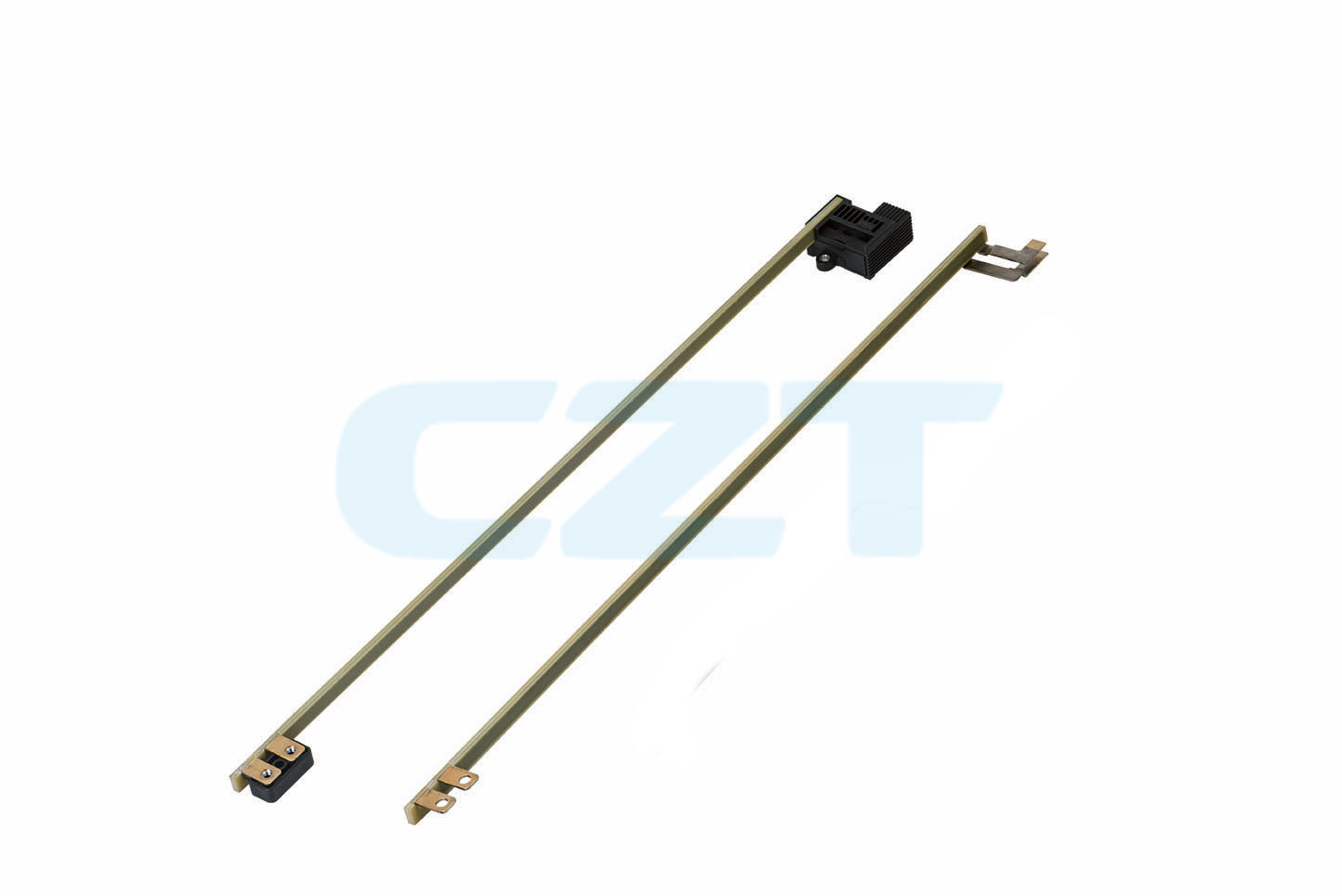
Figure 2. CZT molded busbar examples show insulation and terminal interfaces; a separate cover design must be assessed with its actual surrounding assembly. CZT source · Original image.
Validate removal and reinstallation
Walk through the documented service operation and record difficulties. Inspect the cover, insulation and fasteners afterward. If repeated servicing is expected, define the relevant repetition and acceptance requirements instead of assuming that a single successful removal establishes durability.
A hypothetical example is a cover that can be removed only after loosening a busbar joint. That changes the service scope: the joint may need controlled reassembly and verification. A redesign that provides an independent cover-removal path may simplify the maintenance process more effectively than adding a larger opening.
Check whether removed hardware remains captive or must be separately controlled during service. The decision affects the procedure and the risk of incomplete reassembly. Record the intended arrangement in the validated service instruction rather than leaving it to field improvisation.
Keep the final service instruction consistent with the validated assembly. If a cable route, washer or cover fastening changes, revisit both access and protection. The useful deliverable is an assembly that supports a specific safe service procedure with recorded evidence, rather than a generic assertion that its busbars are covered.
Connect this review to CZT product information
Start with the relevant CZT product family and provide the original interface reference or controlled drawing. Ask which configurations and supporting documents are available for the task described here. Confirm the mating arrangement, required features and project conditions before choosing an orderable part.
Browse the relevant product family · View catalog resources
Discuss a drawing, sample or quotation
Share the part or family reference, current drawing revision, operating conditions and quantities. Include the specific checks described in this article so the inquiry identifies both the component and the evidence needed for your decision. Confirm sample availability and the proposed scope with the supplier.
Request a technical review or quotation
For broader context, read the related selection guide.