Fin spacing and screw-hole placement need to be checked together because the available tool path, fastening access and airflow all occupy the same physical volume. A heat sink that looks acceptable in a simplified model may be difficult to machine, assemble or inspect once the fins and mounting hardware are present.
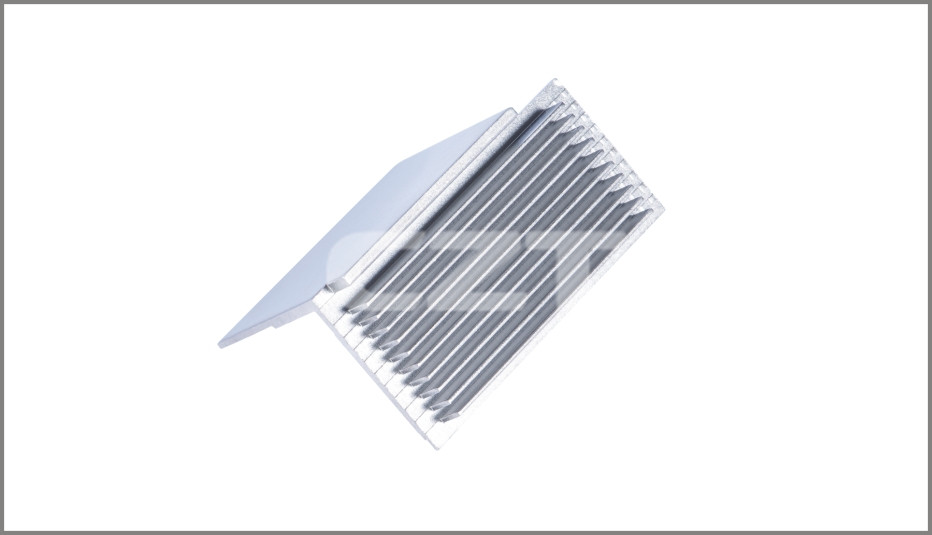
Figure 1. CZT SRQ-HJ-02 heat sink. Fin spacing, mounting features and adjacent geometry require a drawing-level machining-access review. CZT source · Original image.
Review every operation's access
Mark the sequence used to create the part. Identify where cutting tools, fixtures and deburring tools must reach. A hole that is accessible before fin formation may be inaccessible afterward, and a long tool reaching between fins can introduce a different machining constraint from a hole in an open base.
Then perform a separate assembly-access review. A tool that can machine a hole does not prove that a driver can tighten the final screw with a PCB, cable or enclosure wall nearby. Include the washer, driver approach and space needed to remove the fastener during service.
Check the drawing in functional zones
| Zone | Review question | Useful drawing detail |
|---|---|---|
| Fin channel | Will process and cleaning access remain available? | Gap, depth and permitted burr condition |
| Fastener seat | Can the head and washer sit fully? | Seat diameter and surface definition |
| Thread | Is engagement controlled without bottoming? | Thread depth and blind-hole detail |
| Tool approach | Can the production and service tools reach? | Access envelope in the assembly model |
| Air path | Do bosses or screws block the intended channel? | Final assembled view rather than sink-only view |
The correct limits depend on the chosen process and supplier's tooling. Avoid copying a minimum gap or hole-to-fin distance from an unrelated part. Ask for a manufacturability response tied to the actual alloy, geometry and operations.
Include edge condition and contamination control
Debris between fins or around a blind hole can affect assembly quality and handling. Specify where burrs would interfere with a mating surface or create a risk of loose particles. Inspection should reach these locations without damaging a thin fin or masking a defect by forcing the part into a fixture.
When considering CZT heat-sink catalog models, provide the intended screw and surrounding assembly rather than asking only whether the hole exists. The product reference can anchor the discussion, but it does not establish tool clearance in the customer's enclosure.
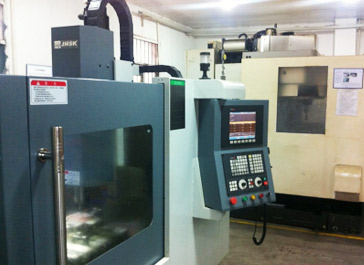
Figure 2. CZT tooling-machining workshop. The official mold-machining workshop supplies machining context only; it is not proof that this heat sink uses the pictured process. CZT source · Original image.
Turn feedback into a controlled drawing
Record proposed changes such as moving a hole, widening a local channel or adding a machined access area. Check each change against thermal area, mounting stiffness and installation space. Where a sample is modified by hand to make assembly possible, update the production definition before approval.
A useful review closes with an assembly demonstration and an inspection method for the critical features. Retain photographs of driver access and any agreed special tooling. This makes later sourcing or geometry changes easier to evaluate than a simple statement that the first sample fitted.
Connect this review to CZT product information
Start with the relevant CZT product family and provide the original interface reference or controlled drawing. Ask which configurations and supporting documents are available for the task described here. Confirm the mating arrangement, required features and project conditions before choosing an orderable part.
Browse the relevant product family · View catalog resources
Discuss a drawing, sample or quotation
Share the part or family reference, current drawing revision, operating conditions and quantities. Include the specific checks described in this article so the inquiry identifies both the component and the evidence needed for your decision. Confirm sample availability and the proposed scope with the supplier.