A hybrid-pin RJ45 jack must be reviewed as a combination of attachment methods. Surface-mount signal terminals and through-hole retention features, for example, can impose different soldering, support and inspection requirements on the same component.
Start with the actual candidate drawing in the CZT modular jack family. Do not classify the whole part from one visible terminal or assume that a single mounting label describes every feature.
Inventory the attachment features
Mark signal contacts, shield tabs, locating pegs and mechanical retention points on the PCB-side view. Assign each feature a role and intended process. This prevents a shield tab or support peg from being mistaken for a signal pin during footprint creation.
Then compare the proposed assembly sequence with the component instructions. A feature that fits through a hole may not be approved for every available solder process, and a locating feature may have no soldering role at all.
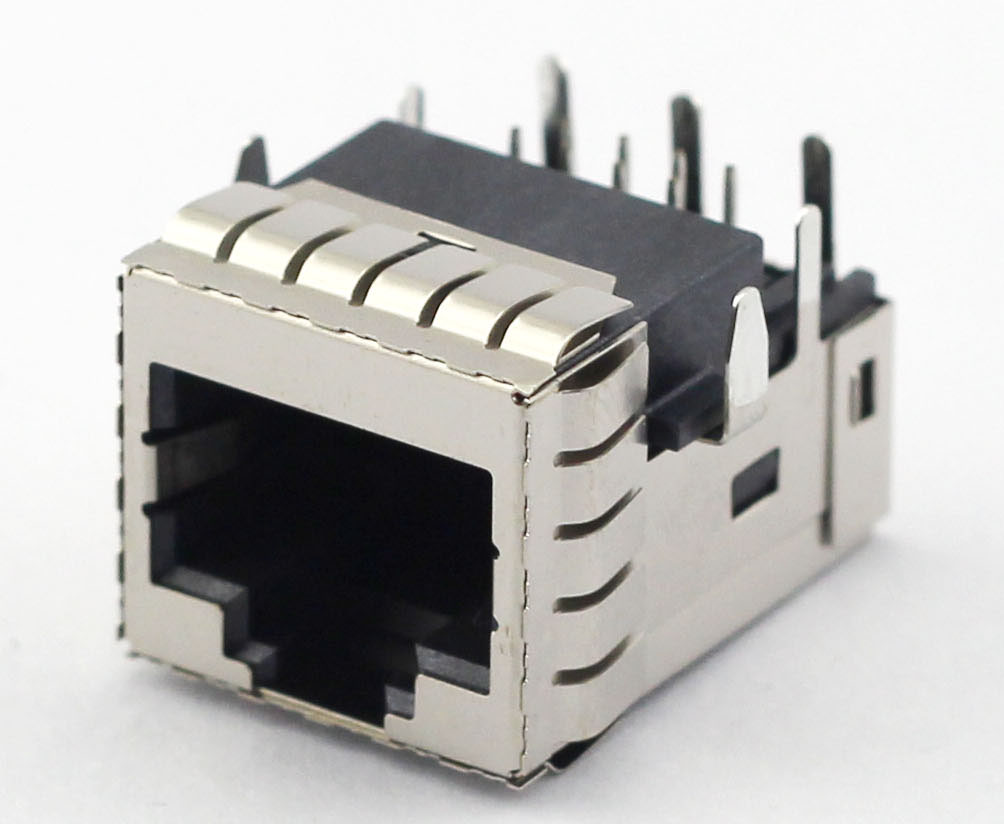
Figure 1. Official photograph of the ESP130500 recessed RJ45 jack and its visible PCB-pin construction. CZT source · Original image.
Review the process interfaces
Check how the part is supported during placement and heating. Examine solder access around the body, clearance for tooling and the effect of neighboring components. Where more than one operation is needed, identify the order and the component's cumulative thermal exposure.
If the manufacturing team proposes a different route from the supplied instructions, treat that as a process qualification question rather than a routine purchasing choice.
Use a feature-by-feature route sheet
| Feature group | Route-sheet entry |
|---|---|
| Signal terminals | Pad or hole geometry and solder method |
| Shield attachment | Connection and solder acceptance reference |
| Retention features | Seating and mechanical inspection |
| Placement | Packaging, pickup or insertion arrangement |
| Thermal exposure | Approved sequence and measured profile |
| Inspection | View, coverage and any hidden region |
Attach the board footprint and component drawing so the route sheet refers to actual geometry, not a generic connector sketch.
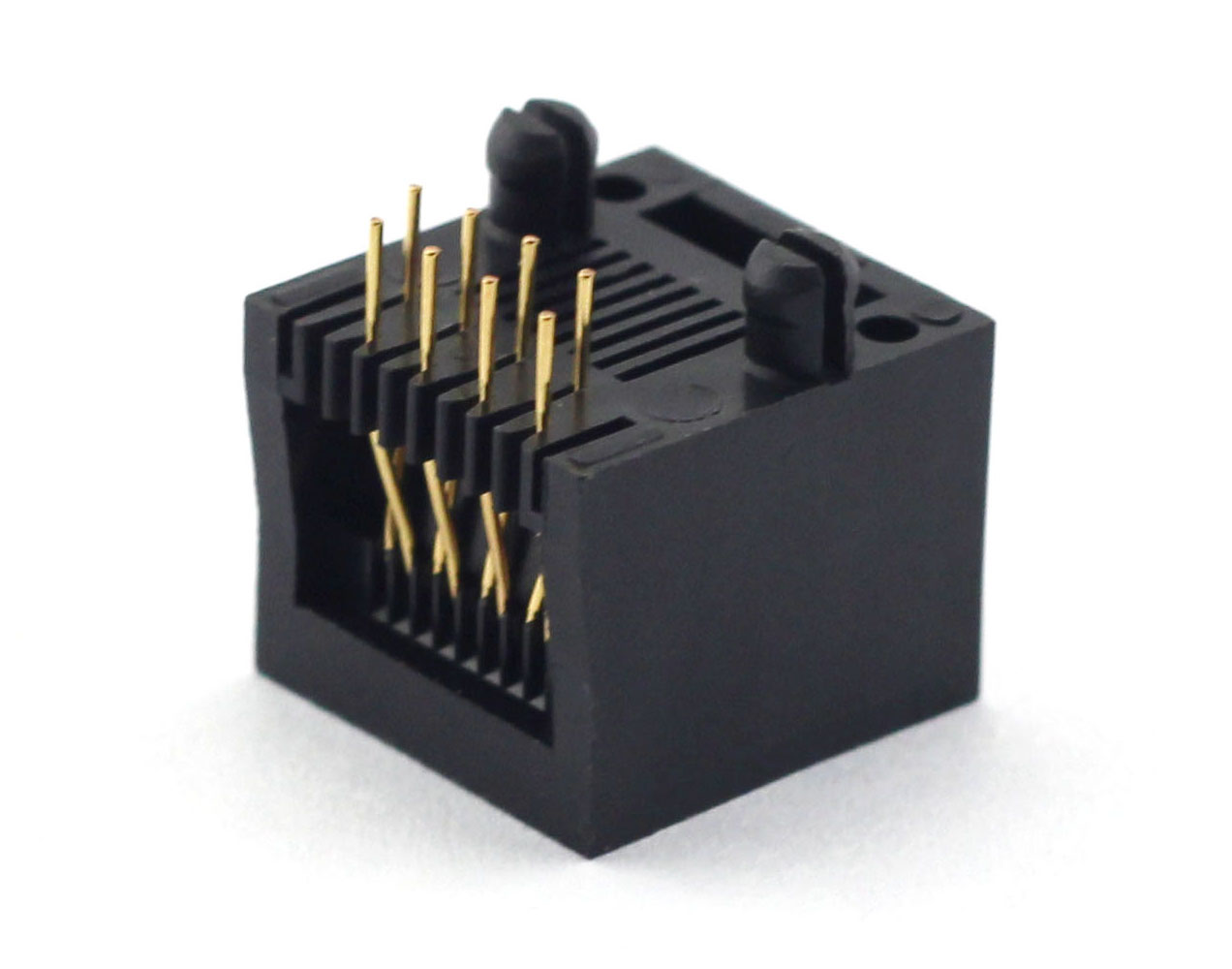
Figure 2. E52QWY-1093-5 socket construction from CZT's original catalog. CZT source · Original image.
Trial the complete manufacturing sequence
Use production-intent PCB fabrication, solder materials and equipment. Inspect the part after every operation that could affect seating or attachment. A late process step can change an earlier acceptable condition.
For a hypothetical hybrid jack, the surface-mount joints might look acceptable after the first operation while a later retention-tab process shifts the body. Reviewing only the final top view could miss how that movement occurred.
Include repair and handling in approval
Determine how a damaged part can be removed and replaced without unacceptable board damage. Check whether inspection remains possible after rework and whether the process instructions define the relevant limits.
The final approval should describe the complete component-process combination. This makes subsequent changes reviewable and prevents a replacement with different retention features from entering the line under an oversimplified “SMT RJ45” purchasing description.
Connect this review to CZT product information
Start with the relevant CZT product family and provide the original interface reference or controlled drawing. Ask which configurations and supporting documents are available for the task described here. Confirm the mating arrangement, required features and project conditions before choosing an orderable part.
Browse the relevant product family · View catalog resources
Discuss a drawing, sample or quotation
Share the part or family reference, current drawing revision, operating conditions and quantities. Include the specific checks described in this article so the inquiry identifies both the component and the evidence needed for your decision. Confirm sample availability and the proposed scope with the supplier.
Request a technical review or quotation
For broader context, read the related selection guide.