An LED-driver enclosure can also act as a heat sink, but combining the functions requires more than adding external fins. The design must move heat from the power components into the housing while preserving electrical spacing, mounting access and the environmental function of the enclosure.
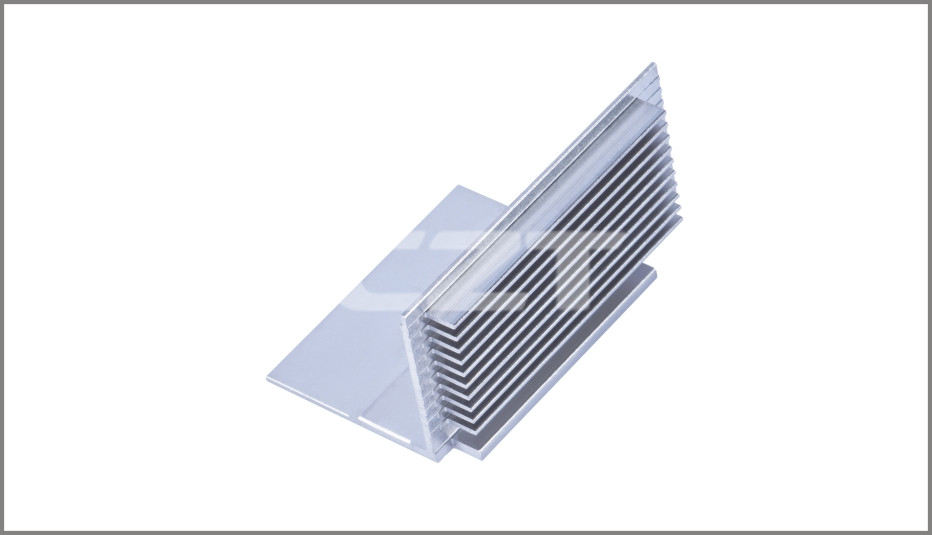
Figure 1. CZT SRQ-HJ-01 heat sink. A real heat-sink geometry is shown as packaging context, not a confirmed LED-driver housing. CZT source · Original image.
Map the heat sources inside the driver
Identify the components that dominate dissipation in the demanding operating modes. A transformer, switching device and power resistor may transfer heat through different paths. Establish where the housing can make a controlled thermal connection and where insulating barriers or board clearance prevent direct contact.
Do not equate the driver's electrical output rating with the heat that reaches the housing. Use measured or substantiated loss estimates for the relevant operating state. Keep startup, dimming and abnormal-condition requirements separate from the normal steady operating comparison.
Review the combined functions
| Housing feature | Thermal question | Assembly or protection question |
|---|---|---|
| Contact land | How does heat enter the wall? | Can contact be maintained without damaging the board? |
| External fins | What air path is available? | Will mounting orientation obstruct it? |
| Lid and joint | Does heat need to cross the joint? | Is sealing or service access controlled? |
| Cable exit | Does it obstruct a hot zone? | Are retention and sealing defined? |
| Mounting point | Is heat transferred to the installation surface? | Is that surface guaranteed in the application? |
A housing tested on a large conductive mounting plate may perform differently on a thermally isolated support. State that boundary clearly when comparing results.
Develop the geometry with the process
Discuss whether extrusion, die casting or machining suits the proposed wall and mounting features. A cosmetic enclosure model is not a complete thermal or manufacturing drawing. Identify the contact surface, required flatness, finish, machining allowances and any areas needing separate electrical treatment.
The CZT heat-sink family and die-cast component family provide relevant component routes for a joint review. Do not assume that a catalog reference already represents a qualified LED-driver enclosure or a sealed finished product.
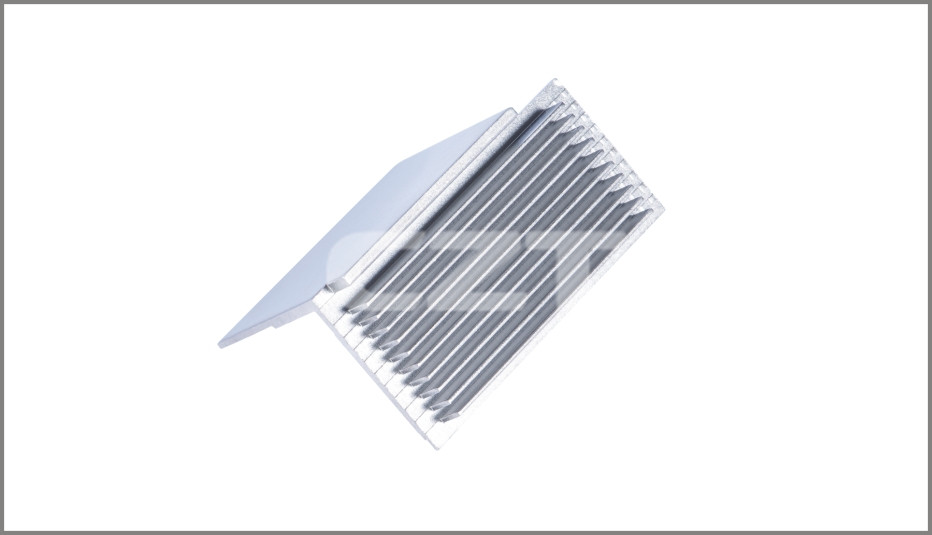
Figure 2. CZT SRQ-HJ-02 heat sink. A second real heat-sink geometry illustrates a different packaging envelope; its LED-driver suitability is not claimed. CZT source · Original image.
Validate a representative assembly
Measure the critical components, housing hot spots and local air with the intended board, interface material and mounting procedure. Check that the thermal contact remains consistent through the planned assembly and service operations. Where sealing or electrical requirements apply, evaluate them on the same controlled configuration rather than combining results from incompatible prototypes.
Prepare the inquiry with a heat-source map, loss estimate, dimensional envelope, installation orientation and environmental requirements. Mark unresolved inputs explicitly. This gives the supplier a defined engineering problem and helps prevent an early housing shape from becoming an unsupported promise about final temperature, ingress protection or electrical compliance.
Connect this review to CZT product information
Start with the relevant CZT product family and provide the original interface reference or controlled drawing. Ask which configurations and supporting documents are available for the task described here. Confirm the mating arrangement, required features and project conditions before choosing an orderable part.
Browse the relevant product family · View catalog resources
Discuss a drawing, sample or quotation
Share the part or family reference, current drawing revision, operating conditions and quantities. Include the specific checks described in this article so the inquiry identifies both the component and the evidence needed for your decision. Confirm sample availability and the proposed scope with the supplier.