PV connector batch traceability works when each received lot can be connected to its supplier identity, component configuration and inspection record. A date label alone is insufficient if different contacts, seals or cable constructions can share the same outer appearance. Design the receiving process to preserve identity before parts are mixed in production.
Define the traceable unit
Decide whether the supplier delivers loose connector kits, terminated leads or a complete harness. For loose parts, record the batch identity of the items that affect the approved construction. For finished assemblies, link the assembly lot to its drawing, component BOM and relevant manufacturing records.
Keep supplier lot identity separate from the internal receiving number. A warehouse relabeling system should preserve the relationship between them. Otherwise, a later return can identify a purchase order but still fail to identify which physical components were installed.

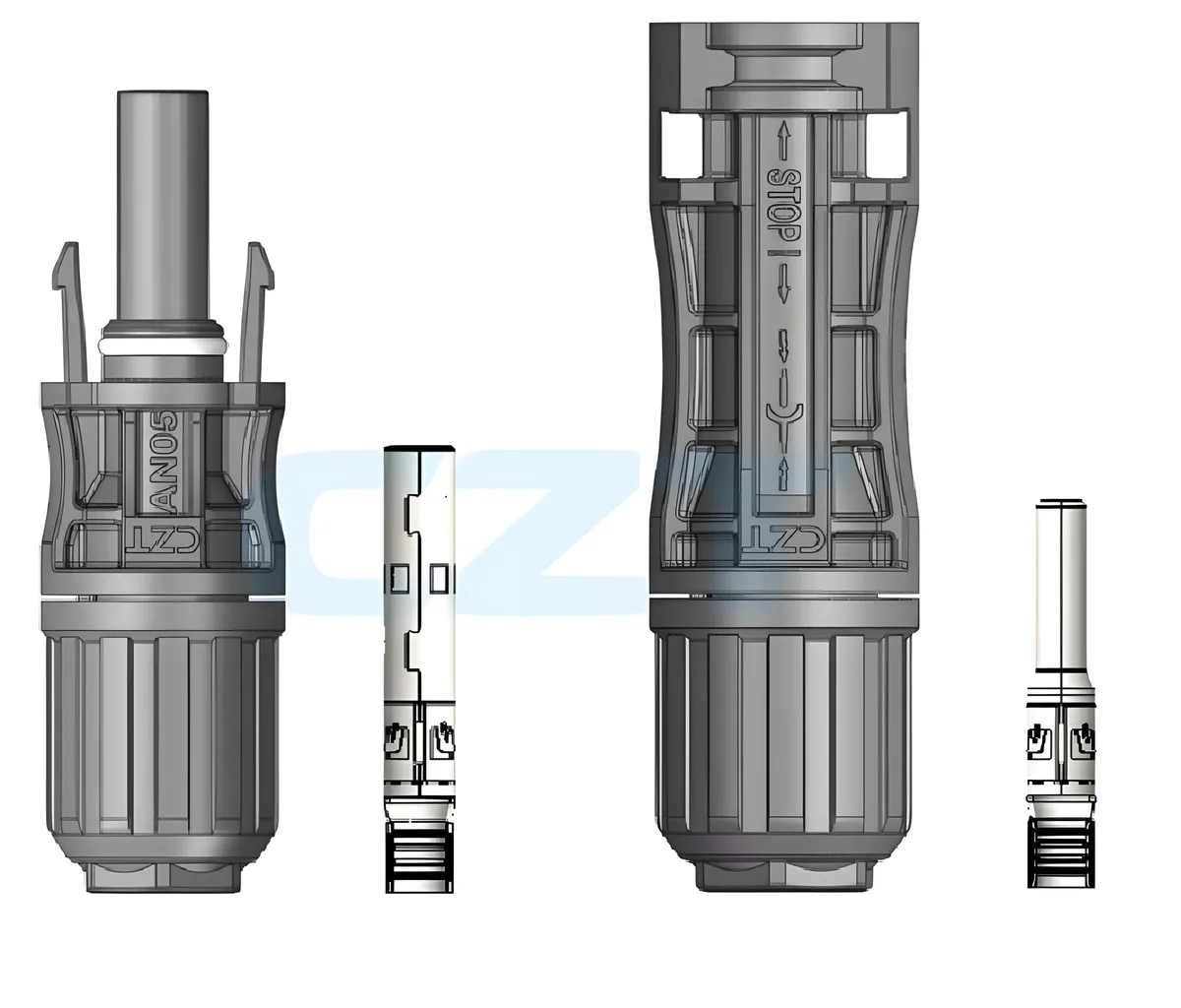
Figure 1. AN05 cable-end connector bodies and separate contact components in CZT's official product illustration. CZT source · Original image.
Inspect identity before performance
Start with quantity, packaging, marking and drawing revision. Compare the parts with the approved sample and the controlled product record. If markings differ, quarantine the uncertainty until the supplier explains it; do not create an undocumented substitute name to keep the line moving.
CZT's solar PV connector family lists examples such as AN05 cable-end and AN06 panel-side connectors. Those identifiers help organize a sourcing discussion. They do not replace confirmation of the exact supplied kit, mating combination or manufacturing lot.
Use a receiving record that supports investigation
| Field | Minimum useful entry |
|---|---|
| Purchase identity | Order, supplier and exact assembly or kit code |
| Configuration | Drawing revision and approved mating combination |
| Physical batch | Supplier lot, packaging label and internal receipt ID |
| Inspection | Characteristics checked, equipment and sample IDs |
| Disposition | Acceptance, hold or rejection with responsible reviewer |
Set sampling and acceptance rules in the quality agreement. Do not infer a universal sample size from the table; risk, lot structure and contractual requirements determine that choice.

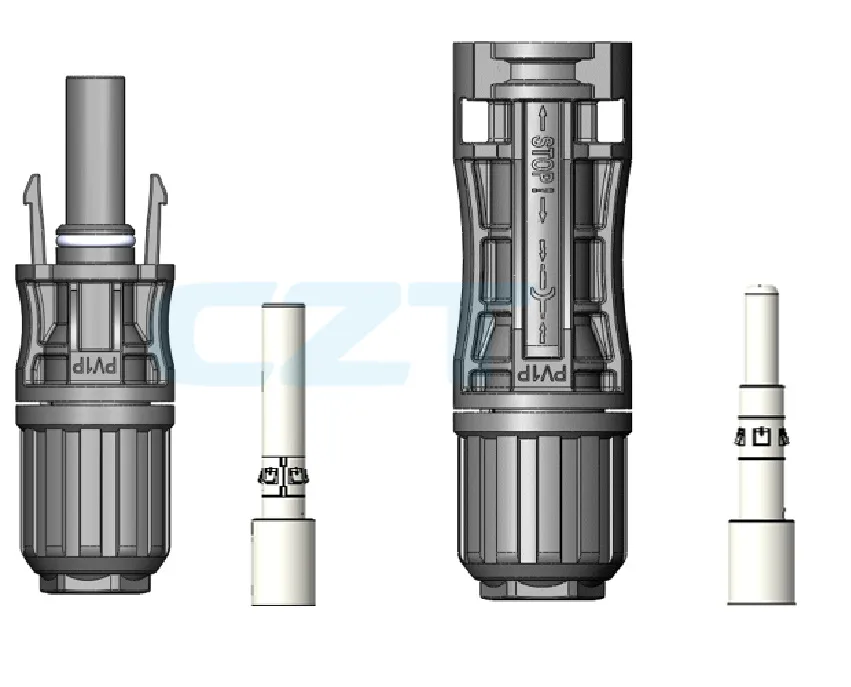
Figure 2. PV1P-A cable-end connector components in the official CZT catalog illustration. CZT source · Original image.
Preserve the link through production
When a bulk package is split, carry its identity to the smaller containers. When a lead is assembled, connect the finished-unit record to the relevant incoming lots. Record intentional substitutions through a controlled change, including their evidence and approval scope.
A useful drill is to choose one finished assembly and work backward to the received connector lot, then forward from that lot to affected finished units. Any point where the trail stops is a traceability gap worth fixing before a return occurs.
For returned parts, retain the original label, assembly location and condition before disassembly. Combine those records with the incoming inspection history. Traceability does not prove that a component is defect-free, but it makes containment and failure analysis specific enough to act on. It can distinguish one suspect assembly lot from an entire product family and reduce unnecessary replacement or repeated testing.
Connect this review to CZT product information
Catalog references to discuss are listed below. Use the identifiers to request the current drawing and confirm the configuration required by your application.
| Catalog reference | Product information | Drawing record | Reference inquiry |
|---|---|---|---|
| PV cable-end connector, AN05 | PV cable-end connector, AN05 | Request the current drawing | Ask about this reference |
| PV cable-end connector, PV1P-A | PV cable-end connector, PV1P-A | Request the current drawing | Ask about this reference |
These entries identify catalog families. Their listing does not establish a numerical rating, finished-part tolerance or test approval; obtain that evidence for the requested revision.
Browse the relevant product family · View catalog resources
Discuss a drawing, sample or quotation
Share the part or family reference, current drawing revision, operating conditions and quantities. Include the specific checks described in this article so the inquiry identifies both the component and the evidence needed for your decision. Confirm sample availability and the proposed scope with the supplier.
Request a technical review or quotation
For broader context, read the related selection guide.