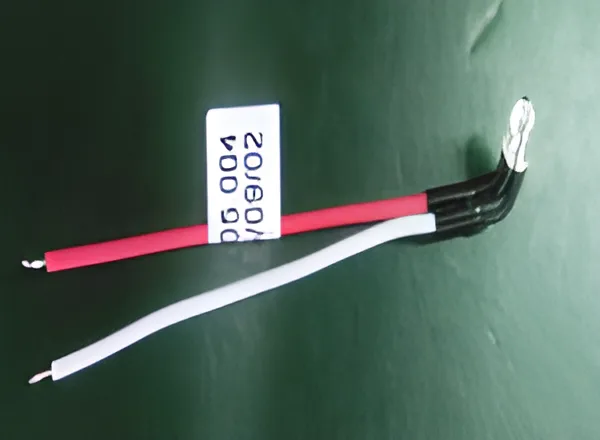
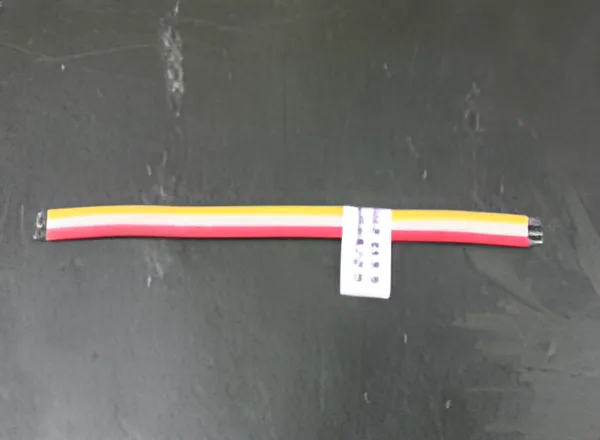
Incoming inspection for a custom harness should translate the approved drawing into practical checks that receiving staff can perform. It should also identify characteristics already controlled at the supplier and evidence that cannot be obtained without destructive examination. The goal is a clear acceptance plan rather than an informal visual comparison with a previous shipment.
Use the exact assembly documents for products developed through the wire-harness family. A catalog name or picture is insufficient to establish the dimensions, circuit map and traceability requirements of the ordered variant.
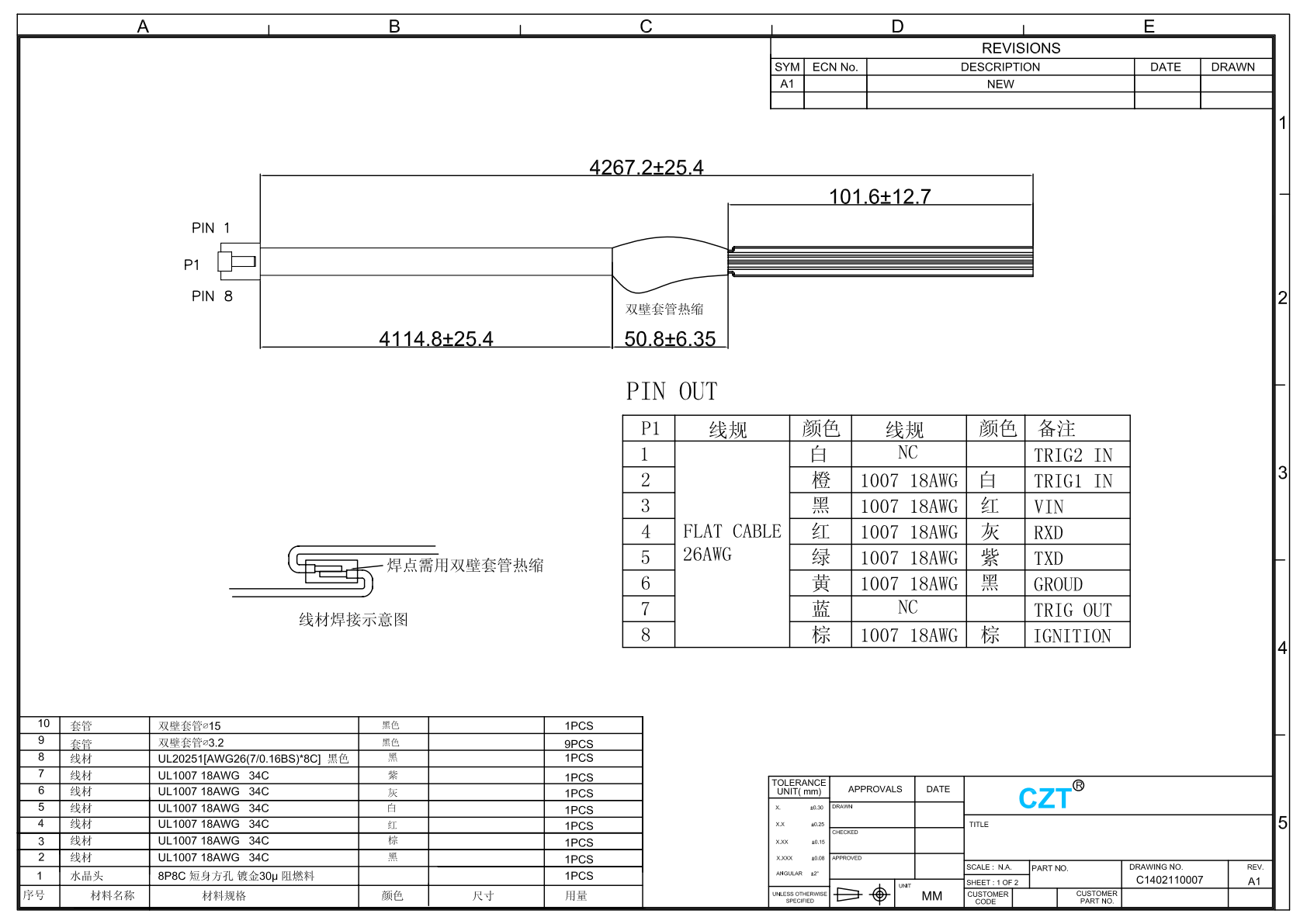
Figure 1. Official cable drawing. Identify the ordered construction, dimensions and connection map before defining receiving checks and the evidence required for acceptance. CZT source · Original PDF, page 1.
Start with the purchase definition
Match the shipment to the full assembly number, revision and order. Review package labels and required batch information before opening samples. Keep different variants or lots separately identified throughout inspection.
Confirm which drawings and inspection requirements apply to the order. If the supplier reports a deviation, resolve its approval status rather than allowing the inspector to accept a changed feature because the harness still looks usable.
Review handling and packaging requirements as well. Damage introduced during transport can affect the received product even when its manufacturing report was acceptable.
Build a characteristic-level checklist
Extract inspectable requirements from the drawing. Include connector and accessory identity, relevant lengths, branch positions, labels, protective treatments and visible workmanship criteria.
| Inspection line | Method or evidence |
|---|---|
| Product identity | Order, label and revision comparison |
| Dimensions | Agreed datums and measurement condition |
| Connection map | Approved electrical test or supplier record |
| Visible assembly | Defined examples and written criteria |
| Hidden process features | Agreed production evidence or designated destructive check |
Do not make the receiving plan depend on an undefined judgment such as good crimp. State what can be observed and which process records support features that remain hidden.
Agree sampling and disposition
Set sample selection, quantities and acceptance rules through the customer's actual quality requirements and supplier agreement. Do not copy a generic sampling number without considering the ordered product and consequences of a defect.
For a hypothetical first delivery, additional dimensional and identity checks may be required to confirm the released drawing interpretation. A stable repeat order can have a different agreed receiving plan. Document the reason rather than silently changing inspection effort between lots.
Define what happens when a nonconformance appears: containment, further inspection, supplier notification and authorized disposition. Keep rejected or suspect samples with their original identities.
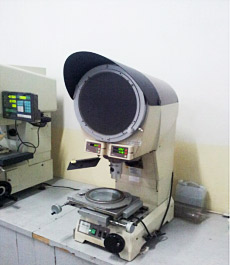
Figure 2. CZT optical-inspection equipment. Measurement equipment is shown as receiving-inspection context; it does not establish a particular lot result. CZT source · Original image.
Connect findings back to the process
Record defects using a location, photograph, measured result and requirement reference. A report that says harness too short is weaker than one identifying the datum pair, measured length and drawing limit.
Use recurring findings to review the supplier's process controls and the receiving plan. Retain approved limits and reference samples under revision control. This creates a repeatable acceptance method and prevents a previously delivered, potentially nonconforming harness from becoming the unofficial standard for future shipments.
Connect this review to CZT product information
Catalog references to discuss are listed below. Use the identifiers to request the current drawing and confirm the configuration required by your application.
| Catalog reference | Product information | Drawing record | Reference inquiry |
|---|---|---|---|
| LED CABLE | LED cable catalog record | Listed PDF | Ask about this reference |
| 3C CABLE | 3C electronic cable catalog record | Listed PDF | Ask about this reference |
A catalog drawing reference is a starting document, not a substitute for reviewing its revision, options and suitability for the complete assembly.
Browse the relevant product family · View catalog resources
Discuss a drawing, sample or quotation
Share the part or family reference, current drawing revision, operating conditions and quantities. Include the specific checks described in this article so the inquiry identifies both the component and the evidence needed for your decision. Confirm sample availability and the proposed scope with the supplier.
Request a technical review or quotation
For broader context, read the related selection guide.