A wire-harness point-to-point table should let engineering, production and test agree on exactly where every conductor goes. A schematic explains the circuit, but manufacturing also needs physical end identification, cavity numbering and wire preparation information. The table connects those views without leaving the operator to interpret an ambiguous drawing.
Use the wire-harness family as a catalog starting point, then define the actual custom assembly through its approved documents. A cable name does not establish its complete connection map or the requirements of a different equipment application.

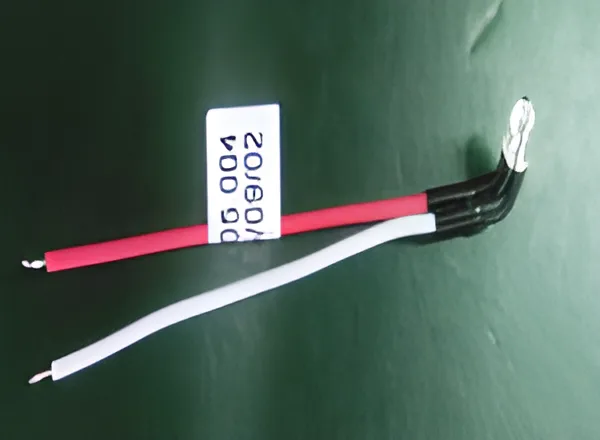
Figure 1. CZT harness-production equipment. Manufacturing and test must follow the same released endpoint mapping; the photograph is process context rather than a polarity test. CZT source · Original image.
Set the connector views first
Assign a unique connector identifier to each end or branch. Include a labeled view showing whether the reader sees the mating face or wire-entry side. Use the component drawing's cavity numbering rather than inventing another sequence that looks more convenient.
Where an assembly includes open wires, ring terminals or other ends without cavities, define an equally unambiguous endpoint identifier. Keep those references consistent in the schematic, harness drawing and test file.
A point-to-point table should remain understandable if the drawing is printed in grayscale. Wire color is useful information but should not be the only way to identify a circuit.
Write one traceable record per connection
Record wire identity and endpoints along with the required wire characteristics. Add terminal and seal references where the manufacturing package uses the table to control those selections.
| Field | Example of the information required |
|---|---|
| Wire ID | Unique conductor identifier |
| From and to | Connector IDs and cavity references |
| Function | Circuit name linked to the schematic |
| Wire definition | Controlled type, size and color |
| Termination | Approved terminal or endpoint requirement |
| Special treatment | Shield, splice or preparation reference |
Treat the table as a controlled engineering document. Blank fields should be explicitly resolved rather than filled by the supplier using a previous project as an assumption.
Keep branching and shielding explicit
A circuit with a splice needs a defined connection relationship rather than several unrelated rows that happen to share a name. Link the splice identifier to its physical location and approved manufacturing detail.
For a hypothetical control harness, a signal return may branch to two devices while a shield follows a different path. Naming all three ground would hide that distinction. Use the circuit owner's approved naming and grounding plan to show what is connected and what remains separate.
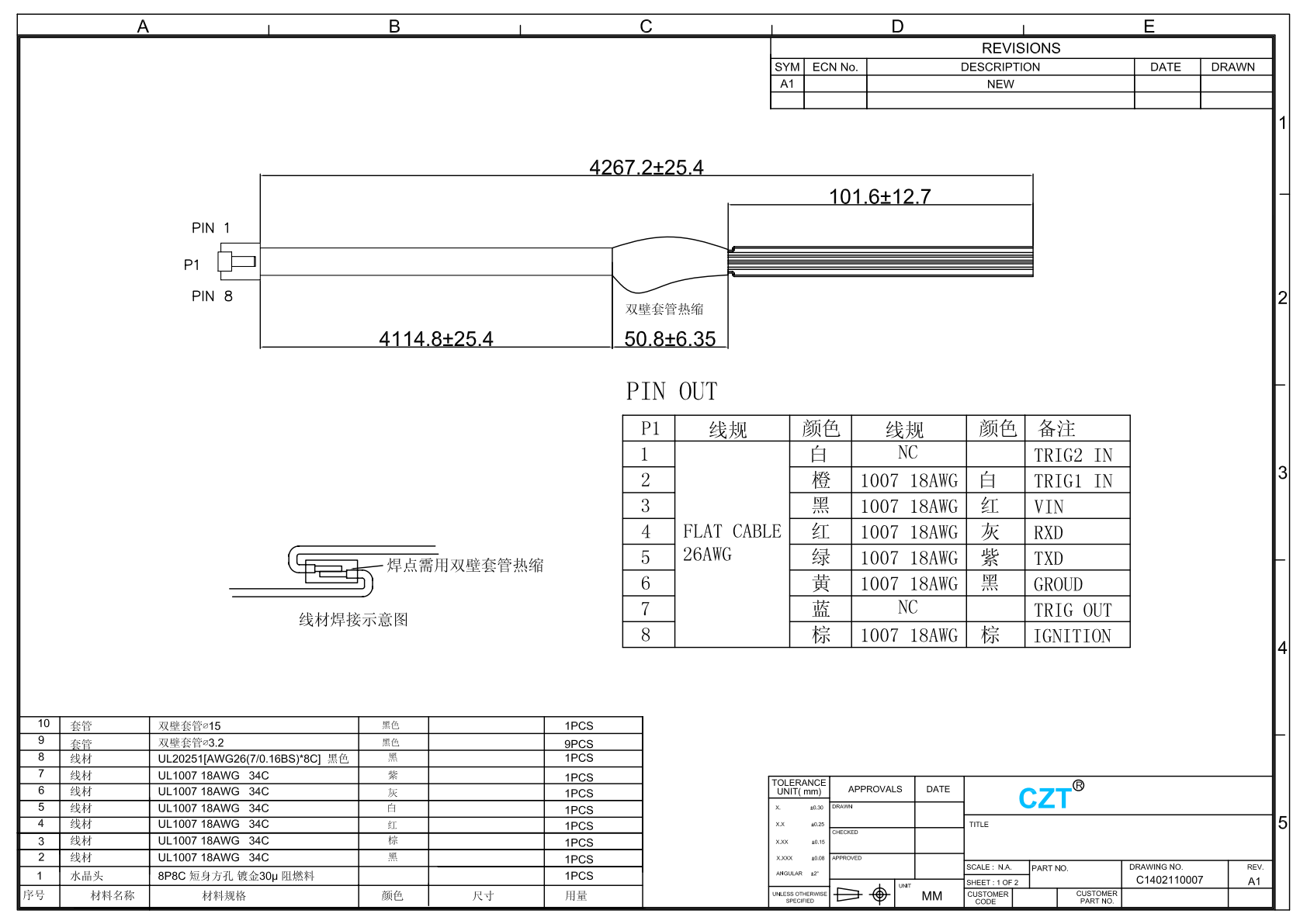
Figure 2. Official CZT cable drawing. The pin-out table makes endpoint mapping concrete; use the approved revision for the actual assembly. CZT source · Original PDF, page 1.
Verify the table against testing
Generate or enter the test program from controlled connection data, then verify it independently. Cirris explains why a learned sample still requires checking in its test-program verification guidance.
Record the table revision alongside the test-program revision. After a wiring change, compare the intended difference with the updated program and challenge the affected connections. This prevents a revised harness from being accepted against an obsolete map and turns the point-to-point table into a practical common reference throughout the assembly's life.
Connect this review to CZT product information
Catalog references to discuss are listed below. Use the identifiers to request the current drawing and confirm the configuration required by your application.
| Catalog reference | Product information | Drawing record | Reference inquiry |
|---|---|---|---|
| LED CABLE | LED cable catalog record | Listed PDF | Ask about this reference |
| 3C CABLE | 3C electronic cable catalog record | Listed PDF | Ask about this reference |
A catalog drawing reference is a starting document, not a substitute for reviewing its revision, options and suitability for the complete assembly.
Browse the relevant product family · View catalog resources
Discuss a drawing, sample or quotation
Share the part or family reference, current drawing revision, operating conditions and quantities. Include the specific checks described in this article so the inquiry identifies both the component and the evidence needed for your decision. Confirm sample availability and the proposed scope with the supplier.
Request a technical review or quotation
For broader context, read the related selection guide.