Evaluate outdoor-aging evidence for the actual PV connector housing and seal materials, then connect the exposure results to the functions those materials must preserve. A material name or an outdoor-use label does not establish a universal service life.
Use an identified candidate from the CZT PV connector family. The useful evidence links the component construction to the test conditions and post-exposure checks, rather than borrowing a result from an unrelated plastic or seal.
Identify the materials and their functions
Separate the housing, cable seal and other relevant insulating or flexible parts. Record their documented material identities and the features they provide: positioning, retention, insulation or sealing, for example.
This prevents a housing-material report from being treated as evidence for the entire assembly. A connector can contain several materials with different responsibilities and exposure paths.
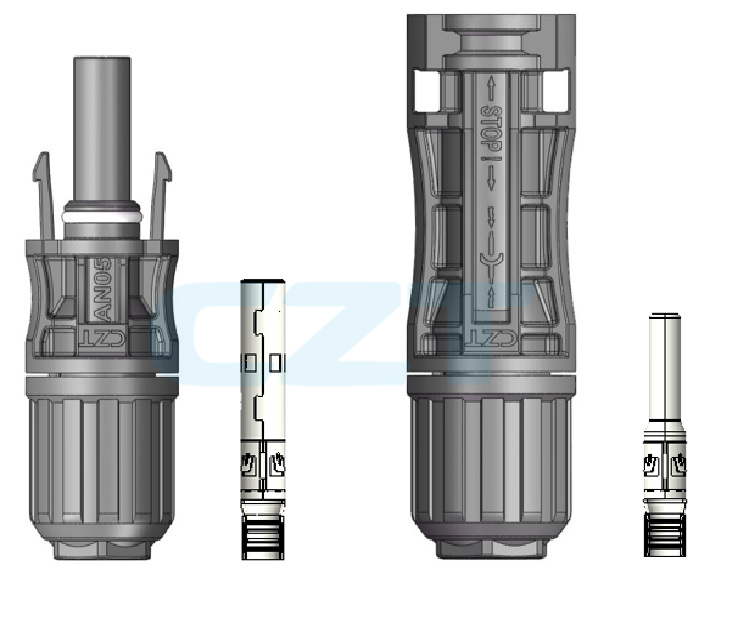
Figure 1. AN05 cable-end connector bodies and separate contact components in CZT's official product illustration. CZT source · Original image.
Define the actual outdoor environment
Describe the installation's sunlight, temperature, moisture and other relevant conditions using project evidence. Include the installed orientation and any protection provided by equipment or mounting structures.
Use the manufacturer's installation guidance to avoid unnecessary exposure. Environmental testing should support a defined application, not be used to justify disregarding instructions about routing, protection or handling.
Read aging reports with a function matrix
| Function | Evidence to review after exposure |
|---|---|
| Housing geometry | Dimensional condition and visible damage |
| Retention | Applicable mechanical behavior |
| Insulation | Defined electrical evaluation |
| Seal function | Applicable ingress or sealing evaluation |
| Mating interface | Assembly and separation behavior |
| Material identity | Confirmation that the tested construction matches |
The actual tests and acceptance criteria should follow the component and project requirements. Not every visible color change has the same significance as a loss of function, and an unchanged appearance does not prove all functions remain acceptable.
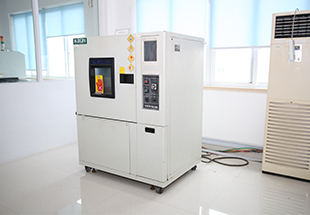
Figure 2. Temperature/humidity chamber photographed on CZT's official technical-capability page. CZT source · Original image.
Avoid unsupported life conversions
An accelerated exposure result is evidence for the stated procedure. Converting its duration into years outdoors requires an appropriate technical basis for the material, stress and application. Do not create a field-life claim by multiplying hours by an arbitrary factor.
For a hypothetical review, two materials might look similar after exposure but produce different retention or sealing observations. The functional matrix explains why appearance alone is an incomplete comparison.
Control changes that affect the evidence
Keep material identification, component revision and test-sample records connected. A resin, additive, colorant or seal change may require review even when the external shape is unchanged. Determine that scope through engineering assessment rather than a blanket assumption.
The purchasing approval should state what construction and exposure evidence were reviewed. This gives future sourcing decisions a clear reference and helps the product team describe outdoor suitability without inventing a lifespan or claiming that every member of the connector family shares the same qualification.
Connect this review to CZT product information
Start with the relevant CZT product family and provide the original interface reference or controlled drawing. Ask which configurations and supporting documents are available for the task described here. Confirm the mating arrangement, required features and project conditions before choosing an orderable part.
Browse the relevant product family · View catalog resources
Discuss a drawing, sample or quotation
Share the part or family reference, current drawing revision, operating conditions and quantities. Include the specific checks described in this article so the inquiry identifies both the component and the evidence needed for your decision. Confirm sample availability and the proposed scope with the supplier.
Request a technical review or quotation
For broader context, read the related selection guide.