A hot-spot return from a PV connector is an investigation specimen. Preserve its identity and installed condition before deciding whether the cause was a contact, termination, mating mismatch or surrounding installation. A melted housing is evidence of damage; it is not, on its own, a complete root-cause finding.
Capture the system context first
Record the connector's location, connected string, current history where available, cable identity and installation photographs. Photograph both mating halves, markings and the cable route before separation. Qualified personnel must apply the site's electrical isolation procedure before handling the assembly; PV connectors must not be disconnected under load.
Ask whether the returned unit is the only affected connection or part of a pattern. Nearby undamaged parts can provide useful comparison samples, but keep their location and handling history separate from the failed item.

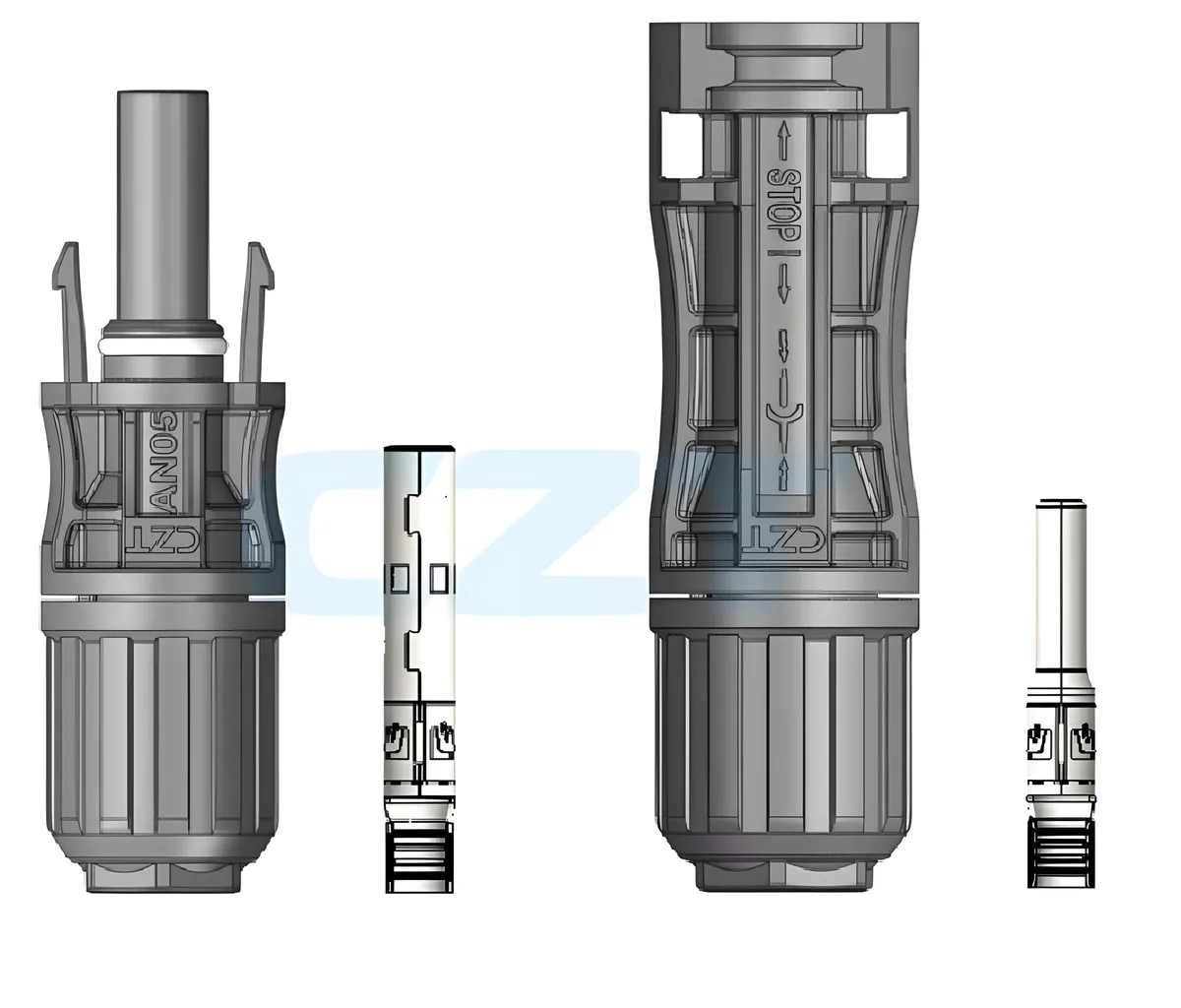
Figure 1. AN05 cable-end connector bodies and separate contact components in CZT's official product illustration. CZT source · Original image.
Preserve possible causes during removal
Do not clean contact surfaces, retighten cable glands or cut immediately beside the damaged termination before documenting them. Those actions can remove evidence of contamination, contact position or cable loading. Agree the removal and packaging method with the failure-analysis team.
Record the exact identities on both halves. Stäubli's PV cross-mating guidance explains why permitted mating combinations matter. A matching shape or a successful hand fit should not settle that question for an unknown returned pair.
Organize evidence by hypothesis
| Possible contributor | Evidence to preserve or request |
|---|---|
| Termination condition | Crimp geometry, strand condition and tool records |
| Mating interface | Both halves, markings, contact position and surface condition |
| Sealing or contamination | Installed orientation, seals and any ingress evidence |
| Mechanical loading | Cable support, bend route and strain history |
| Electrical duty | Available load records and abnormal operating events |
Investigate alternatives rather than selecting a favored cause from the photograph. Some damage occurs after the initiating fault and may obscure its location.

Figure 2. Tensile-test equipment photographed in CZT's official technical-development gallery. CZT source · Original image.
Connect laboratory findings to the batch
Link the specimen to purchasing and assembly records. If the evidence indicates a manufacturing variable, identify which other units share it. If the finding concerns an installation feature, define the affected configuration instead of automatically expanding the conclusion to every connector of the same model.
CZT's solar PV family can anchor the model-identification and replacement inquiry. A catalog example cannot establish that an unknown field connector is its mating counterpart. Replacement selection needs its own verified assembly identity.
Keep the timeline separate from the physical examination. Record when the symptom was noticed, when power was isolated and which handling steps followed. Damage introduced during removal should be distinguishable from damage present in service.
A useful final report distinguishes observations, test results, supported causes and unresolved questions. Include photographs and the reasoning connecting evidence to each conclusion. Corrective action should then address the demonstrated mechanism, with a verification plan that shows whether the revised construction or installation actually resolves it.
Connect this review to CZT product information
Catalog references to discuss are listed below. Use the identifiers to request the current drawing and confirm the configuration required by your application.
| Catalog reference | Product information | Drawing record | Reference inquiry |
|---|---|---|---|
| PV cable-end connector, AN05 | PV cable-end connector, AN05 | Request the current drawing | Ask about this reference |
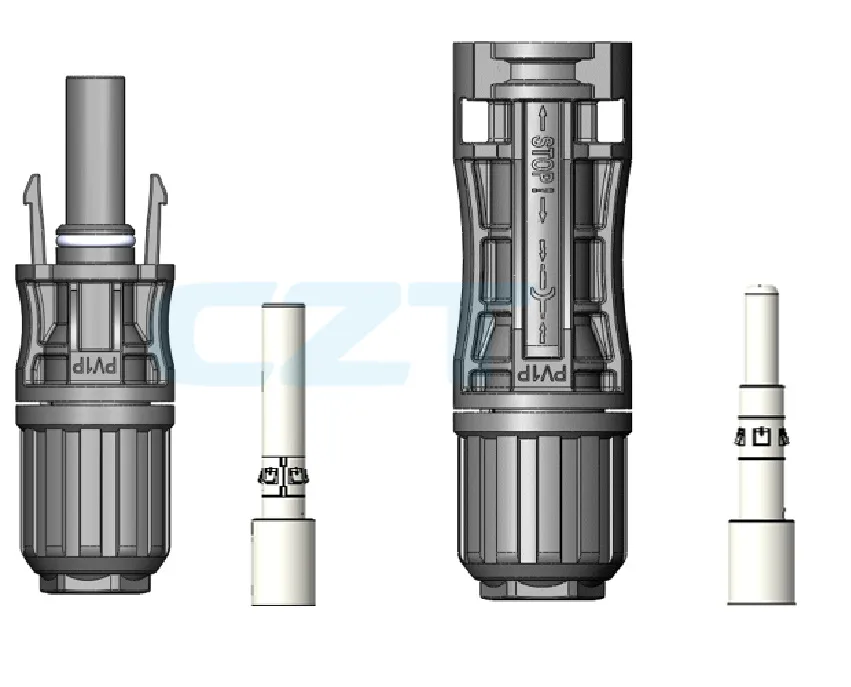
| PV cable-end connector, PV1P-A | PV cable-end connector, PV1P-A | Request the current drawing | Ask about this reference |
These entries identify catalog families. Their listing does not establish a numerical rating, finished-part tolerance or test approval; obtain that evidence for the requested revision.
Browse the relevant product family · View catalog resources
Discuss a drawing, sample or quotation
Share the part or family reference, current drawing revision, operating conditions and quantities. Include the specific checks described in this article so the inquiry identifies both the component and the evidence needed for your decision. Confirm sample availability and the proposed scope with the supplier.
Request a technical review or quotation
For broader context, read the related selection guide.