Match a PV connector's cable seal to the cable's actual outside diameter and construction, including its tolerance. Conductor cross-sectional area is an electrical input; it does not uniquely define the surface that the seal must grip.
Use the exact cable-end candidate in the CZT solar PV range. The catalogue identifies the family, while its current assembly drawing and instructions should define the cable and seal combination being reviewed.
Measure the surface that the seal contacts
Record jacket outside diameter and the cable manufacturer's tolerance or measured production range. Note relevant shape or surface features, including whether the jacket remains round and undamaged after preparation.
Two cables can share a conductor size while using different jacket constructions. Treating them as interchangeable at the seal can create an assembly problem even if both satisfy the electrical wire-size requirement.

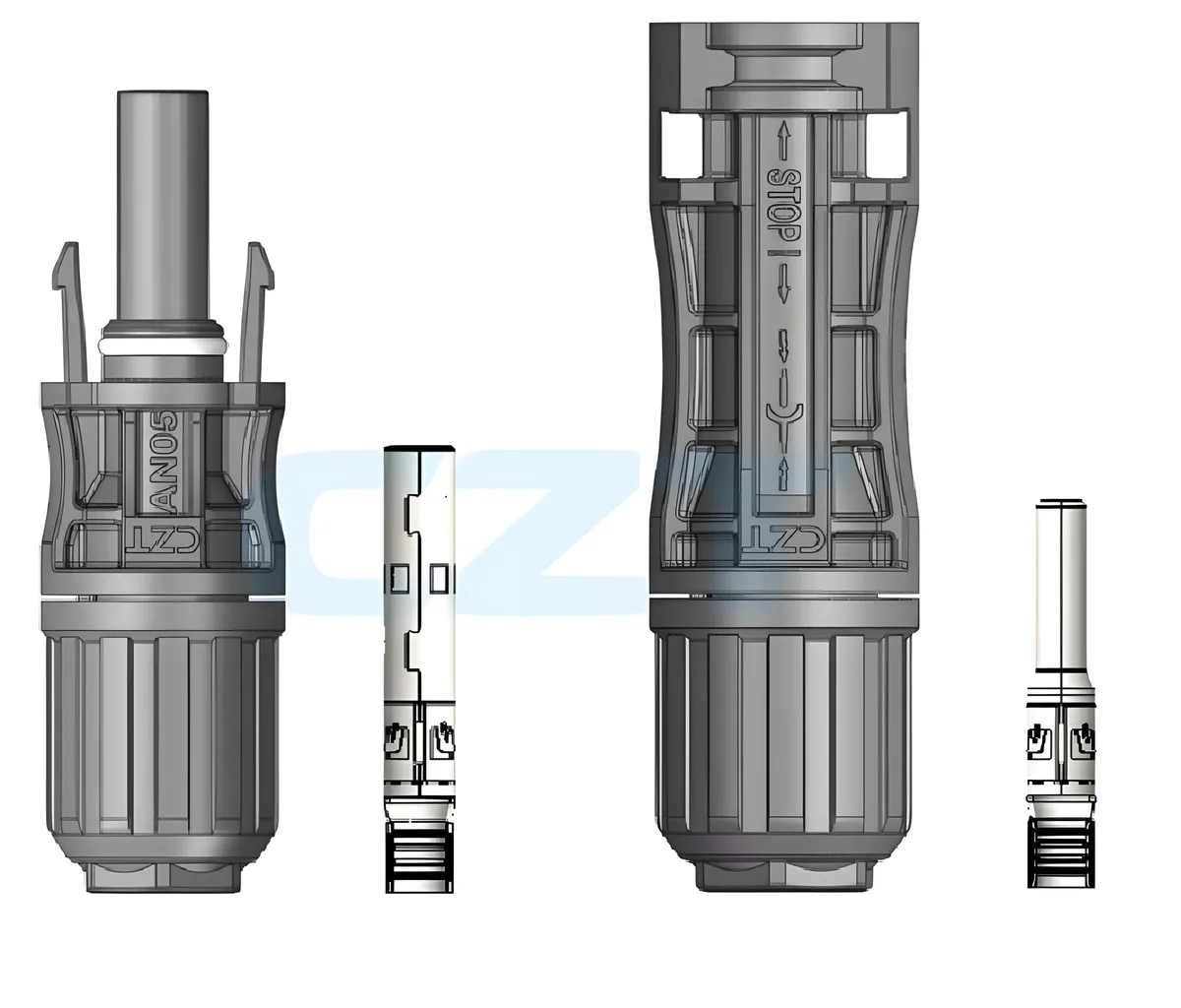
Figure 1. AN05 cable-end connector bodies and separate contact components in CZT's official product illustration. CZT source · Original image.
Identify the complete sealing arrangement
Determine the seal part, gland or fastening arrangement, required cable preparation and permitted assembly method. A cable that enters the housing easily is not necessarily within the seal's approved range.
Do not compensate for a poor match by tightening beyond the documented instruction or adding an improvised material. Such changes create a different construction and obscure the reason the original combination did not fit.
Use a seal-fit worksheet
| Item | Record before sample assembly |
|---|---|
| Cable | Manufacturer, model and jacket material |
| Outside diameter | Nominal, tolerance and actual sample measurements |
| Connector | Complete model and seal configuration |
| Assembly | Preparation and fastening instructions |
| Mechanical result | Cable position and defined retention check |
| Sealing result | Applicable method, state and sample identity |
Link the test record to the assembled combination. A seal report for another cable diameter does not automatically close the current review.

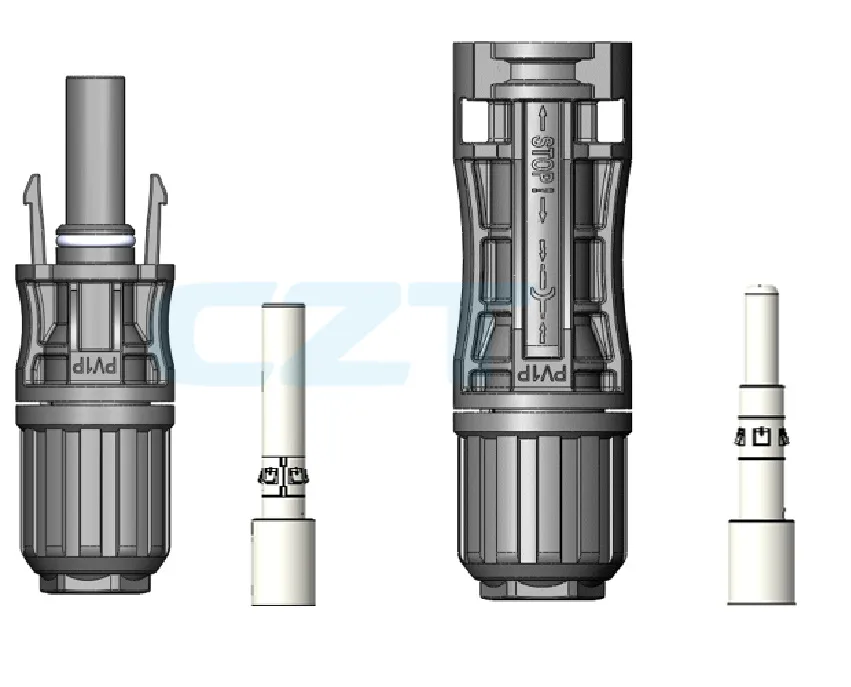
Figure 2. PV1P-A cable-end connector components in the official CZT catalog illustration. CZT source · Original image.
Evaluate the tolerance range
Check how the combination behaves across the relevant dimensional range using a justified sampling or engineering method. One conveniently sized cable sample may not represent the complete production tolerance.
For a hypothetical review, a cable near the middle of the allowed diameter range may assemble well while a different approved supplier's jacket falls outside that range. The appropriate action is to review the alternative cable or seal configuration, not simply to keep the same conductor-size label on the bill of materials.
Preserve the installation conditions
Review the cable exit and support arrangement. Bending or loading the cable at the seal can introduce a condition different from the approved straight assembly. Use the relevant cable and connector instructions to define the installed geometry.
Release the cable, seal and assembly method together. Future cable-jacket or seal changes should trigger a targeted review so the approved protection and retention evidence remains attached to the combination that will actually be produced.
Connect this review to CZT product information
Catalog references to discuss are listed below. Use the identifiers to request the current drawing and confirm the configuration required by your application.
| Catalog reference | Product information | Drawing record | Reference inquiry |
|---|---|---|---|
| PV cable-end connector, AN05 | PV cable-end connector, AN05 | Request the current drawing | Ask about this reference |
| PV cable-end connector, PV1P-A | PV cable-end connector, PV1P-A | Request the current drawing | Ask about this reference |
These entries identify catalog families. Their listing does not establish a numerical rating, finished-part tolerance or test approval; obtain that evidence for the requested revision.
Browse the relevant product family · View catalog resources
Discuss a drawing, sample or quotation
Share the part or family reference, current drawing revision, operating conditions and quantities. Include the specific checks described in this article so the inquiry identifies both the component and the evidence needed for your decision. Confirm sample availability and the proposed scope with the supplier.
Request a technical review or quotation
For broader context, read the related selection guide.