Specify RJ45 packaging from the needs of the actual placement or insertion equipment. Tray, reel and other supply forms are not interchangeable labels: orientation, accessible pickup surfaces and packaging geometry affect whether the part can enter the line reliably.
For a candidate in the CZT modular jack family, establish what packaging is actually offered before approving an automated assembly route. Do not infer a reel format or feeder compatibility from a product photograph.
Describe the machine interface
Identify how the equipment receives, locates and picks the part. Record the available feeder or tray arrangement, part-recognition method and any relevant pickup constraints. The connector's exposed surfaces may include openings or features that affect the intended handling approach.
The manufacturing team should provide these requirements in a form that can be compared with the proposed packaging drawing. A short request for “automatic packaging” leaves the important interface undefined.
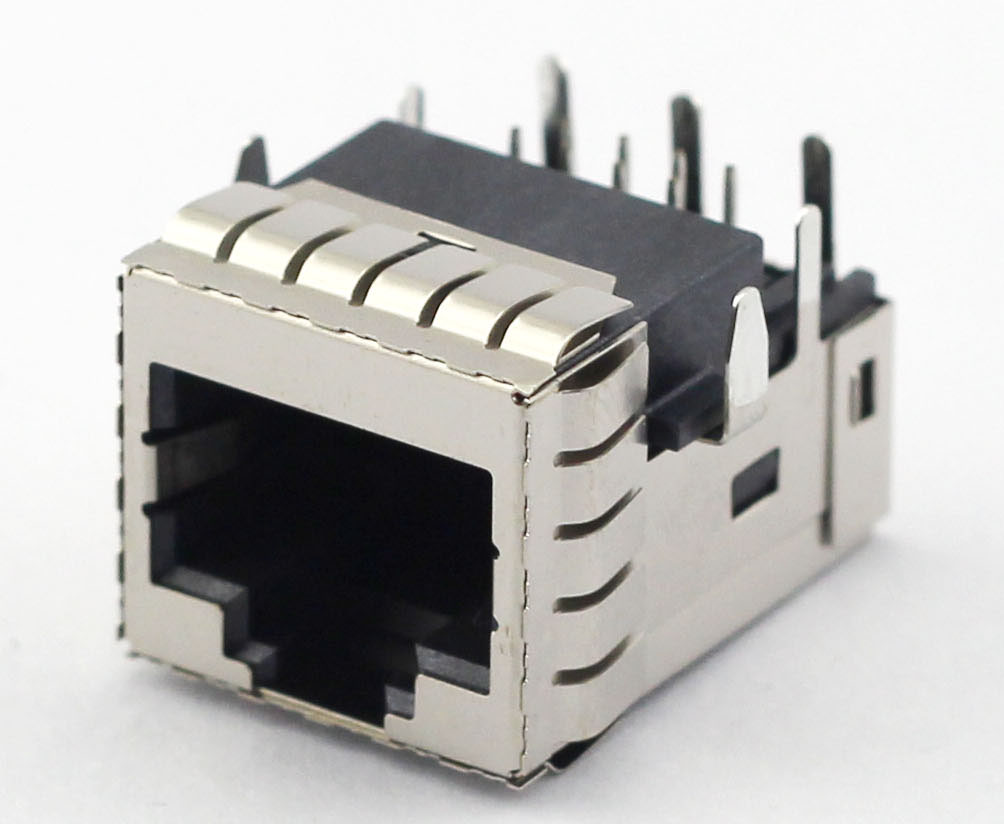
Figure 1. Official photograph of the ESP130500 recessed RJ45 jack and its visible PCB-pin construction. CZT source · Original image.
Confirm orientation and movement
Mark the mating face, PCB side and direction of travel or tray indexing. Check whether the machine must rotate the component and whether the packaging supports the required orientation consistently.
Consider how the component is restrained during transport and unpacking. Packaging must protect the contact and mounting regions as well as present a repeatable position to the equipment.
Build a packaging acceptance sheet
| Field | Required agreement |
|---|---|
| Supply form | Actual offered tray, reel or other configuration |
| Dimensions | Packaging drawing and relevant tolerances |
| Part orientation | Mating face, pin direction and indexing reference |
| Pickup | Accessible surface and handling method |
| Quantity basis | Units per package and ordering interpretation |
| Protection | Sensitive regions and handling precautions |
| Trial result | Equipment, settings and observed behavior |
Attach the packaging drawing to the part approval. Otherwise, a packaging change can arrive as an undocumented production-line change even when the component model is unchanged.
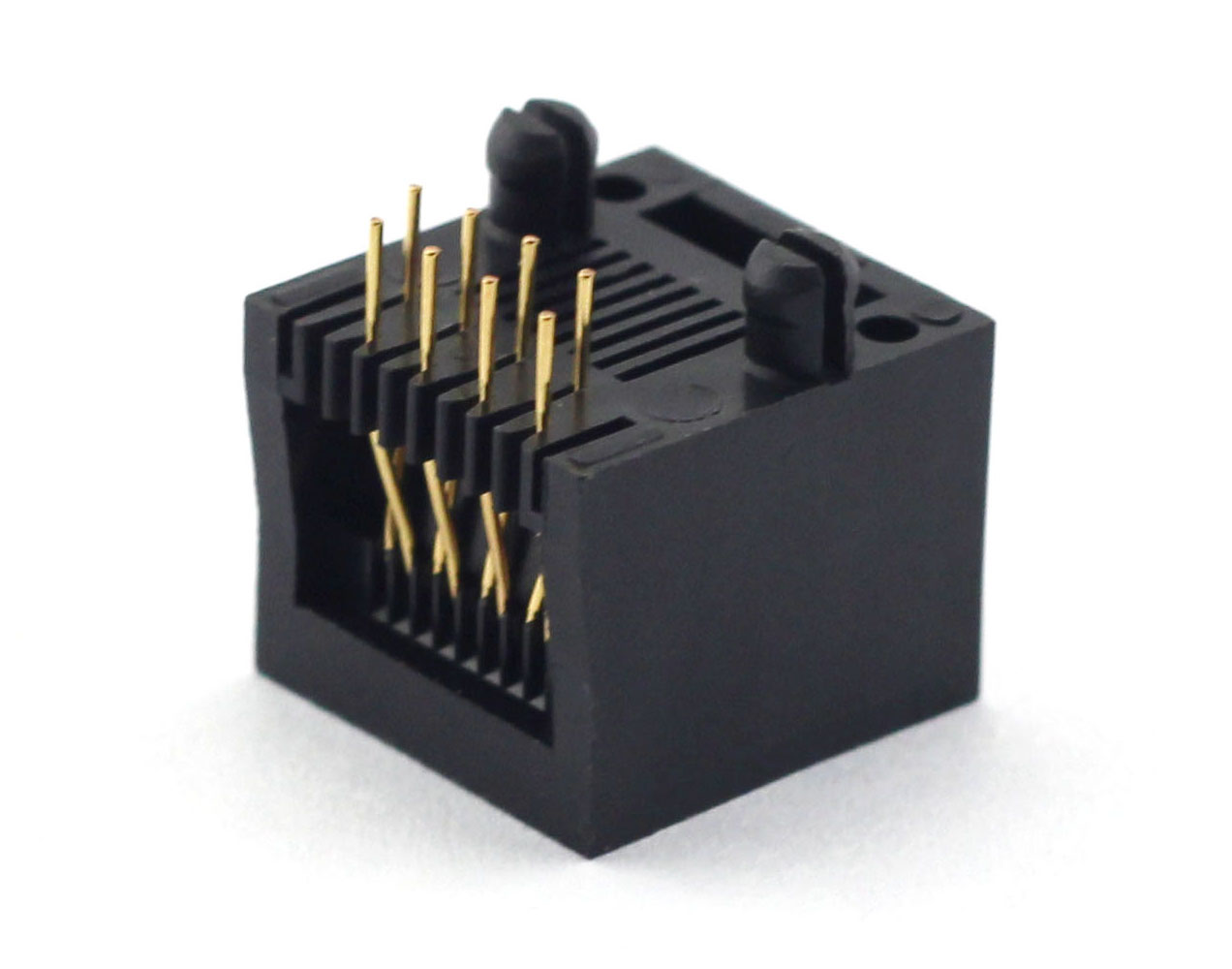
Figure 2. E52QWY-1093-5 socket construction from CZT's original catalog. CZT source · Original image.
Run a representative feed trial
Use the intended equipment and actual packaged parts. Observe pickup, recognition, transfer and placement or insertion. Record misfeeds, damaged packaging, shifted parts and any need for manual intervention.
A hypothetical trial might feed well from a full tray but become unreliable near its edge or after repeated indexing. That is useful information for reviewing restraint and location repeatability; it should not be hidden inside an average feed-rate result.
Include receiving and storage
Confirm package labels, quantity identification and the handling conditions relevant to the part. Receiving inspection should verify the agreed supply configuration before material reaches the line.
If packaging geometry, material or orientation changes later, assess whether a new equipment trial is needed. The approved configuration is the component together with its practical machine interface, not just the electrical part number on the purchase order.
Connect this review to CZT product information
Start with the relevant CZT product family and provide the original interface reference or controlled drawing. Ask which configurations and supporting documents are available for the task described here. Confirm the mating arrangement, required features and project conditions before choosing an orderable part.
Browse the relevant product family · View catalog resources
Discuss a drawing, sample or quotation
Share the part or family reference, current drawing revision, operating conditions and quantities. Include the specific checks described in this article so the inquiry identifies both the component and the evidence needed for your decision. Confirm sample availability and the proposed scope with the supplier.
Request a technical review or quotation
For broader context, read the related selection guide.