Match an RJ45 plug to both the cable jacket diameter and the insulated-conductor dimensions. Conductor cross-sectional area alone does not describe whether the cable can enter the plug, pass through its internal guides and be retained correctly.
Use identified candidates in the CZT RJ45 and Ethernet family. For example, the catalogue lists modular-plug models, but their actual dimensional suitability must be established from the corresponding drawings and the selected cable.
Separate the relevant cable dimensions
Record the overall jacket diameter, individual insulated-conductor diameter, conductor construction and any internal separator or shielding structure that affects preparation. Include tolerances or a measured range where the cable documentation provides them.
Do not treat two cables with the same nominal conductor size as dimensionally identical. Insulation and jacket construction can change the features that interact with the plug's guide and strain-relief regions.

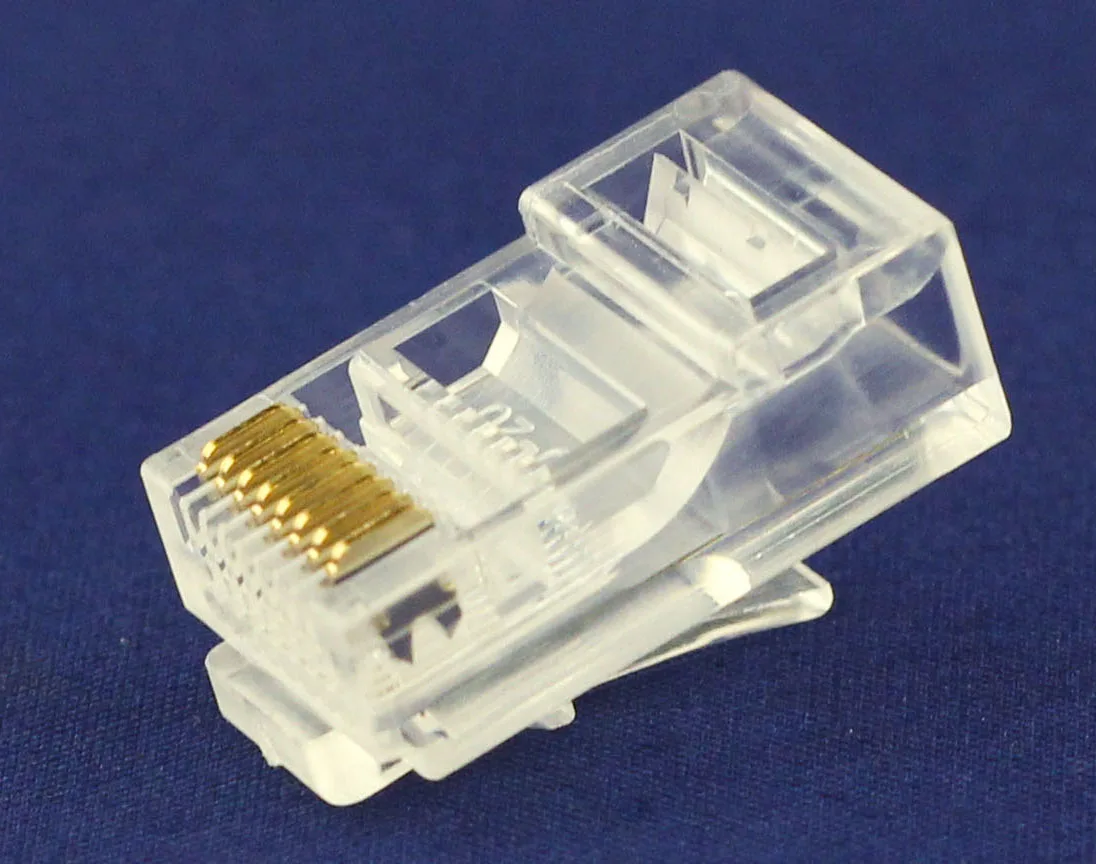
Figure 1. Official QWY-1013-10 8P8C plug photograph, showing the housing, latch and contact region. CZT source · Original image.
Compare the plug's internal interfaces
Identify the cable entry, conductor-guide arrangement, contact termination region and jacket-retention feature. Ask which cable constructions the plug manufacturer specifies for the candidate. A clear housing does not reveal every limit or approved termination condition.
Where a separate load bar or guide is part of the construction, include it in the review and ordering configuration. Omitting that accessory from the sample comparison can invalidate the apparent fit.
Use a fit-matching table
| Cable input | Plug evidence or trial |
|---|---|
| Jacket outside diameter | Entry and retention suitability |
| Insulated-conductor diameter | Guide and channel suitability |
| Solid or stranded construction | Approved contact-termination scope |
| Shield structure | Required shell and shield preparation |
| Preparation method | Allowed strip and assembly instructions |
| Finished assembly | Retention, contact and dimensional checks |
The table should identify exact cable and plug models. “Cat cable” and “RJ45 plug” are too broad to define a repeatable combination.

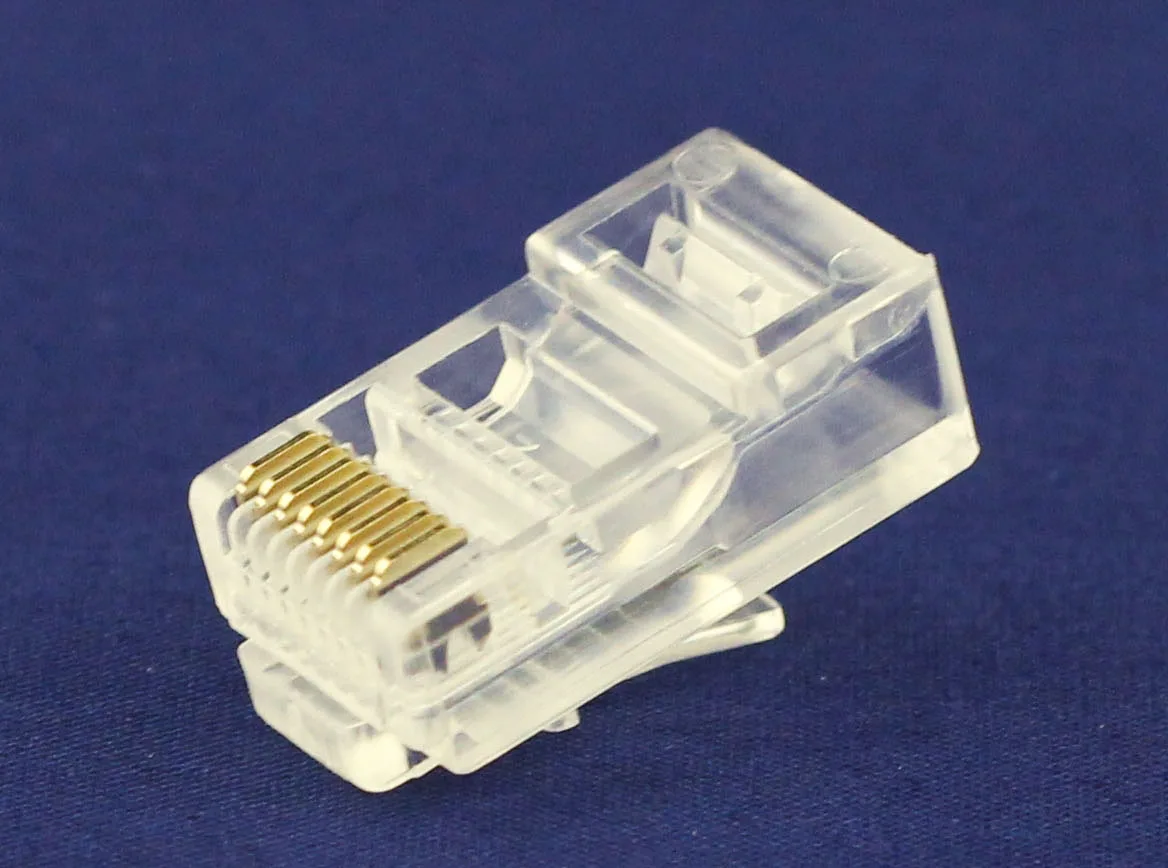
Figure 2. Official QWY-1308-11 8P8C plug photograph, a separate catalog reference. CZT source · Original image.
Validate an assembled sample
Use the specified tools and preparation method. Check that conductors remain in the intended order, contacts engage as designed and the jacket is retained at the correct region. Avoid judging acceptance solely from whether the plug closes.
For a hypothetical pairing, the conductors might fit the guide while the overall jacket does not reach the retention feature. The resulting assembly would require review even if a basic continuity check passes.
Keep mechanical fit separate from link performance
A dimensionally acceptable termination still needs the electrical validation relevant to the cable assembly's intended use. Conversely, a temporary link does not prove adequate mechanical retention or long-term suitability.
Retain the approved cable, plug, accessories and tooling combination. A later change to cable insulation or plug geometry should trigger a targeted review instead of being accepted solely because the conductor size or interface name remains unchanged.
Connect this review to CZT product information
Catalog references to discuss are listed below. Use the identifiers to request the current drawing and confirm the configuration required by your application.
| Catalog reference | Product information | Drawing record | Reference inquiry |
|---|---|---|---|
| QWY-1013-10 | 8P8C modular plug, QWY-1013-10 | Listed PDF | Ask about this reference |
| QWY-1308-11 | 8P8C modular plug, QWY-1308-11 | Listed PDF | Ask about this reference |
A catalog drawing reference is a starting document, not a substitute for reviewing its revision, options and suitability for the complete assembly.
Browse the relevant product family · View catalog resources
Discuss a drawing, sample or quotation
Share the part or family reference, current drawing revision, operating conditions and quantities. Include the specific checks described in this article so the inquiry identifies both the component and the evidence needed for your decision. Confirm sample availability and the proposed scope with the supplier.
Request a technical review or quotation
For broader context, read the related selection guide.