Production polarity verification for a two-pin SAE-style cable should start from an approved end-to-end wiring definition. The exposed or recessed appearance of one terminal is not enough to describe the complete assembly. Cable adapters and multiple ends can change the relationship that the finished product needs to maintain.
The automotive connector family and wire-harness family provide related catalog areas. Use actual connector and assembly drawings to establish the selected product's identity. Do not infer polarity from a generic catalog photograph or an informal wire-color convention.
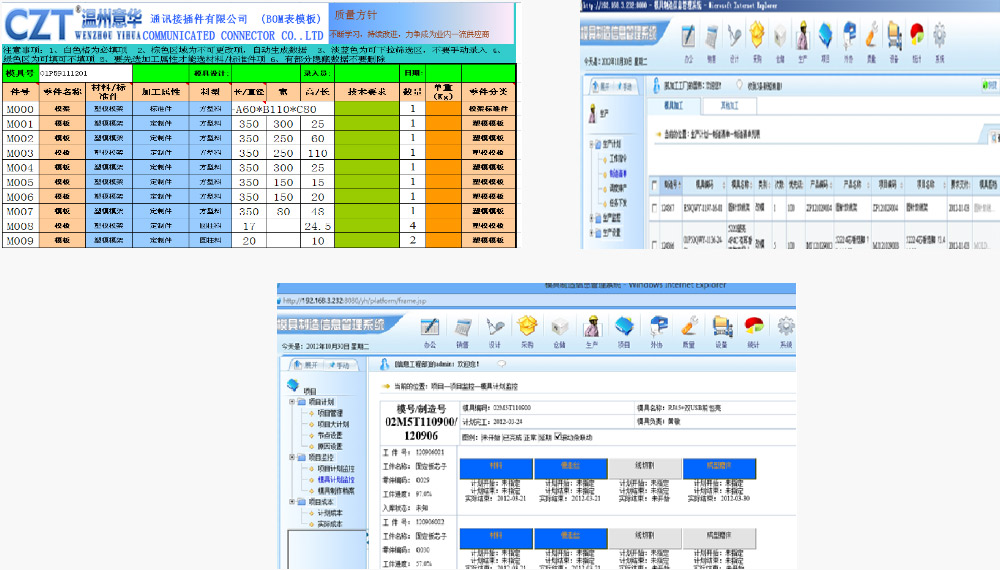
Figure 1. CZT document-management example. Production polarity verification needs a controlled drawing, connection map and traceable test-program revision. CZT source · Original image.
Define the view at each end
Draw both mating faces with an explicit viewing direction. Label terminals using the actual drawing convention, then assign circuit names and required polarity. Keep the equipment reference and the cable reference distinct where they use different identifiers.
If wire colors are part of the requirement, record them as another field rather than using color as the only definition. The electrical connection table should remain unambiguous even when printed without color or viewed under poor lighting.
For variants with ring terminals, clips or another connector on the opposite end, document that end with the same care. The full path is what production must verify.
Build an independent test map
Map each finished-assembly terminal to its test-fixture channel. Verify the map against the approved drawing rather than merely learning a sample and assuming the learned result is correct. Cirris makes this distinction in its guidance on test-program verification.
| Verification item | Expected evidence |
|---|---|
| End identification | Labeled drawing view and physical fixture label |
| Intended connection | Approved point-to-point table |
| Reverse connection | Deliberate challenge and recorded rejection |
| Open or short | Relevant fault challenge |
| Program identity | Controlled version linked to product variant |
Use deliberately prepared challenge samples or an approved fault-simulation method. Keep them separately identified so they cannot enter saleable stock.
Record production results
Define whether each assembly is tested and how its identity is connected to the result. A general station pass count cannot always identify whether a particular returned cable was tested under the correct program.
For a hypothetical maintenance lead with interchangeable adapters, test each final configuration against its own approved connection table. Passing the base lead does not establish the polarity of a later attached adapter that was never checked.

Figure 2. CZT harness-production equipment. Wire-harness production context for end-to-end mapping; the photograph is not presented as an SAE two-pin test setup. CZT source · Original image.
Control changes to the fixture and cable
Reverify the program after relevant changes to connector orientation, harness variant, fixture wiring or software. Include worn fixture contacts in the maintenance plan because an intermittent fixture can confuse the operator and obscure a real defect.
Release the cable drawing, test map, program revision and acceptance record together. This makes polarity a measured production characteristic of the finished assembly, rather than a property assumed from a two-pin interface name or the color of its insulation.
Connect this review to CZT product information
Start with the relevant CZT product family and provide the original interface reference or controlled drawing. Ask which configurations and supporting documents are available for the task described here. Confirm the mating arrangement, required features and project conditions before choosing an orderable part.
Browse the relevant product family · View catalog resources
Discuss a drawing, sample or quotation
Share the part or family reference, current drawing revision, operating conditions and quantities. Include the specific checks described in this article so the inquiry identifies both the component and the evidence needed for your decision. Confirm sample availability and the proposed scope with the supplier.
Request a technical review or quotation
For broader context, read the related selection guide.