A harness tester can give a false pass if its fixture or program does not represent the approved product. Fixture qualification therefore needs an independent cavity map and deliberate challenges, not only a sample that happens to produce a green result.
Cirris explains the distinction between a presumed-good sample and a verified program in its test-program guidance. Apply that principle to the actual assemblies selected through the wire-harness family, using their controlled drawings rather than a generic cable map.

Figure 1. CZT harness-production equipment. Fixture and program verification belongs in the production flow rather than being assumed from a pass light. CZT source · Original image.
Map product cavities to tester channels
Begin with labeled connector views and the approved point-to-point table. Record each product terminal, mating fixture contact and tester channel in a controlled mapping file.
Check viewing directions carefully. A fixture drawing may show the rear of an adapter while the product drawing shows the mating face. A tidy one-to-one numbering scheme can still be mirrored if that difference is ignored.
Have the mapping verified against the engineering definition. Learning the fixture and product together without an independent check can teach the tester the same error that it is expected to detect.
Challenge the required fault coverage
Create a controlled method for introducing relevant open circuits, shorts and miswires. Select the challenges from the product's test requirements and the architecture of the assembly. Include unused contacts where isolation needs to be checked.
| Challenge | What to establish |
|---|---|
| Intended connection | The correct path is accepted |
| Open circuit | The broken path is detected |
| Unintended connection | The prohibited path is rejected |
| Swapped endpoints | The mapping error is detected |
| Fixture fault | A bad interface is not mistaken for a good product |
Record actual outcomes, program identity and fixture revision. Keep challenge parts or devices clearly separated from saleable assemblies.
Control intermittent fixture behavior
Inspect fixture contacts, leads and supports at the defined maintenance interval. Record usage or wear indicators where the process uses them. Cirris's fixture-verification guidance describes why the test interface itself must be checked before relying on product results.
For a hypothetical multibranch harness, an intermittently open fixture lead may cause operators to reposition the product until it passes. That practice leaves the measurement problem unresolved and can normalize repeated attempts instead of a controlled diagnosis.
Identify when the station must stop for fixture investigation and how product tested since the last valid verification is assessed.
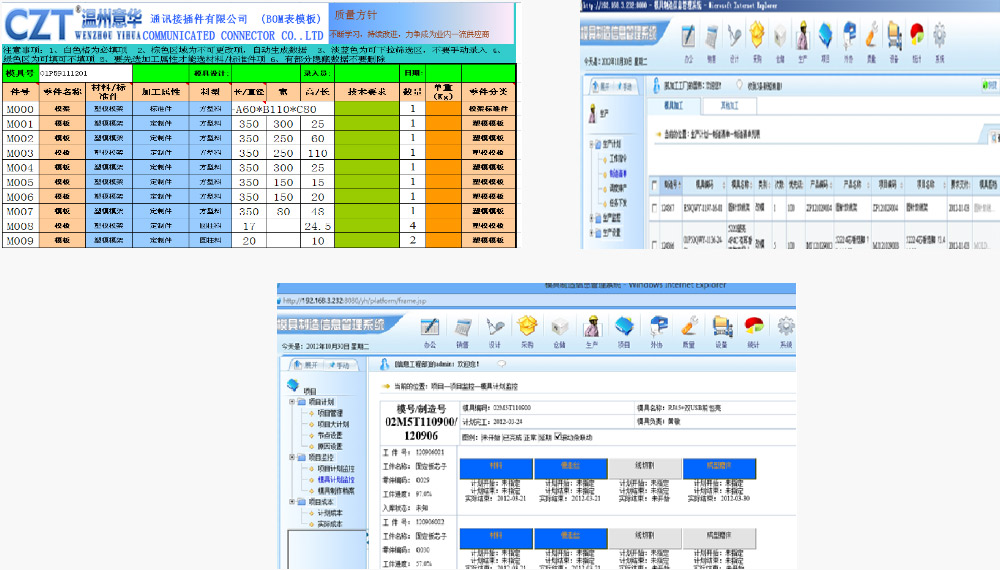
Figure 2. CZT document-management example. Maintain the cavity map and test revision as controlled records; this screenshot is not a harness-tester program. CZT source · Original image.
Link program changes to product changes
Reverify affected mappings and challenges after changes to connector orientation, variant wiring, adapter construction or software. Store the approved program with its product and fixture references.
The release record should state what faults the setup was shown to detect and any limitations. A verified test system provides evidence for the defined checks; it does not establish characteristics such as hidden crimp geometry or full environmental durability that the station never measures.
Connect this review to CZT product information
Start with the relevant CZT product family and provide the original interface reference or controlled drawing. Ask which configurations and supporting documents are available for the task described here. Confirm the mating arrangement, required features and project conditions before choosing an orderable part.
Browse the relevant product family · View catalog resources
Discuss a drawing, sample or quotation
Share the part or family reference, current drawing revision, operating conditions and quantities. Include the specific checks described in this article so the inquiry identifies both the component and the evidence needed for your decision. Confirm sample availability and the proposed scope with the supplier.
Request a technical review or quotation
For broader context, read the related selection guide.