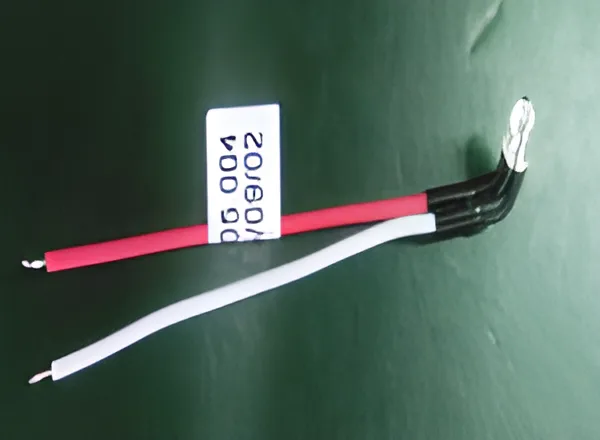
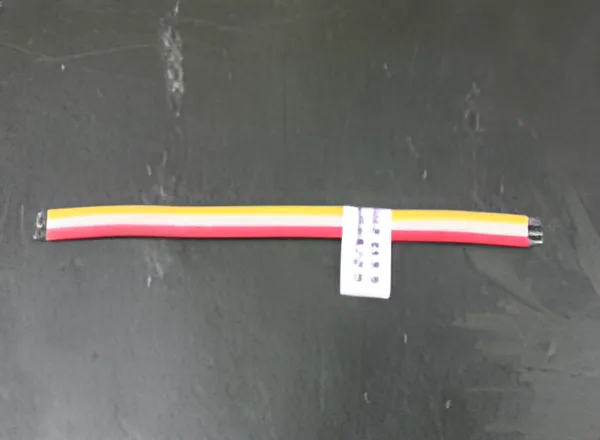
Harness labels should help the assembler identify the right connection and help quality staff trace the finished assembly. Those are related but different jobs. A label specification needs to say what information appears, where it is placed and how it remains readable in the actual equipment.
Use the wire-harness family as the assembly catalog reference. Label materials and printing methods need separate evidence. TE's wire-identification overview illustrates that sleeves, adhesive labels and other markers are distinct product choices, rather than one universal solution.

Figure 1. CZT harness-production equipment. Assembly identification and label data must follow the released manufacturing documents; this is process context rather than a traceability audit. CZT source · Original image.
Separate circuit and product identity
Decide which marks identify individual branches or circuits and which identify the complete assembly. Define the assembly number, revision and required batch or serial information using the customer's actual traceability rules.
Keep the human-readable text consistent with the approved data format. If a barcode or other machine-readable code is used, define its content and how it relates to the printed text. A scanner returning some text does not prove that the text identifies the correct variant.
Avoid overloading a small marker with information that cannot be read at the intended inspection distance. Use the documented label design to prioritize required fields.
Control position and orientation
Show label locations on the harness drawing using named references. State whether the label must be visible after installation, before assembly or during service. Those viewing conditions can require different positions.
| Label requirement | Verification |
|---|---|
| Information content | Compare with the approved assembly data |
| Physical location | Inspect against drawing references |
| Orientation | Check from the intended viewing position |
| Machine readability | Scan under defined production conditions |
| Environmental durability | Evaluate the actual material and printing combination |
If a marker can slide or rotate, define how its position is controlled. Do not let a legible bench label become unreadable when trapped against an enclosure wall.
Validate material and printing together
Obtain the selected label material and printing-system documentation. Evaluate the combination against the actual temperature, cleaning and handling requirements. Do not transfer an environmental claim from an unprinted material to a different ink or printer configuration without evidence.
For a hypothetical service harness, the assembly label may be exposed to a cleaning process while branch markers remain inside a protected cabinet. The two locations can have different requirements and may justify different label constructions.
Retain sample images and scan records before and after the agreed exposure. Specify the acceptance method rather than using an undefined description such as still readable.
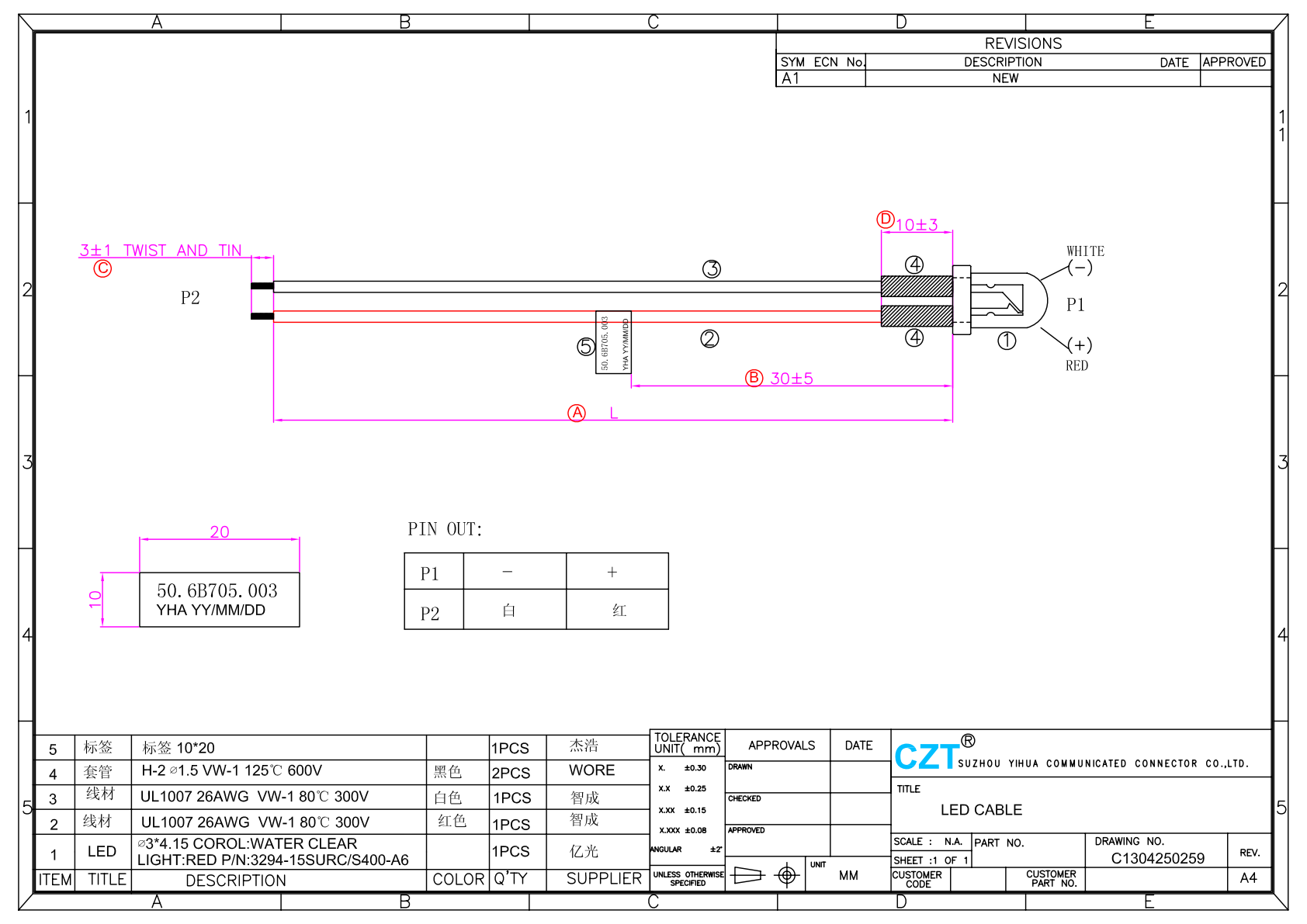
Figure 2. Official LED CABLE drawing. The label artwork and placement detail connect assembly identification with a controlled document rather than memory. CZT source · Original PDF, page 1.
Link labels to production records
Verify label data against the released BOM and product variant before printing or applying it. Define how incorrect and obsolete labels are removed from the production flow.
Keep the label artwork, data rules and material references under revision control. A later numbering or traceability change may require an update even when the cable itself stays identical. A complete specification makes labels part of the controlled assembly, supporting both immediate installation and later identification of the actual production history.
Connect this review to CZT product information
Catalog references to discuss are listed below. Use the identifiers to request the current drawing and confirm the configuration required by your application.
| Catalog reference | Product information | Drawing record | Reference inquiry |
|---|---|---|---|
| LED CABLE | LED cable catalog record | Listed PDF | Ask about this reference |
| 3C CABLE | 3C electronic cable catalog record | Listed PDF | Ask about this reference |
A catalog drawing reference is a starting document, not a substitute for reviewing its revision, options and suitability for the complete assembly.
Browse the relevant product family · View catalog resources
Discuss a drawing, sample or quotation
Share the part or family reference, current drawing revision, operating conditions and quantities. Include the specific checks described in this article so the inquiry identifies both the component and the evidence needed for your decision. Confirm sample availability and the proposed scope with the supplier.
Request a technical review or quotation
For broader context, read the related selection guide.