Wire terminals are the unsung heroes of electrical connections. Every time a wire connects to a screw, a stud, a PCB, or another wire, there's usually a terminal involved. Choosing the right terminal type — and crimping it correctly — determines whether that connection lasts 20 years or fails in 6 months.
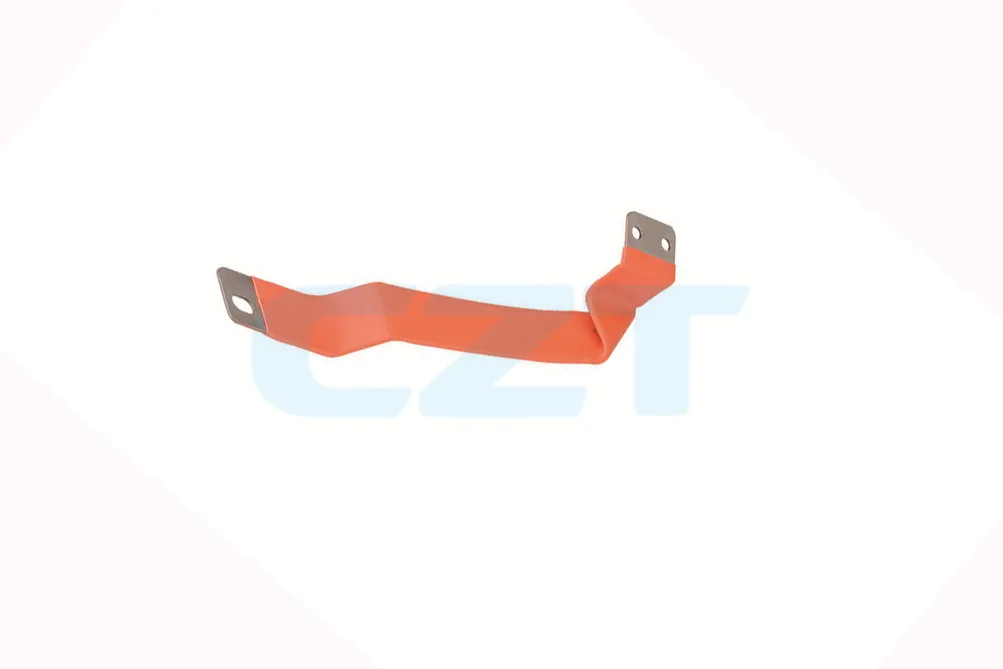
This guide covers the main wire terminal types, their applications, and how to select the right one.
What Is a Wire Terminal?
A wire terminal (also called a crimp terminal or lug) is a metal fitting crimped or soldered onto the end of a wire to create a reliable, low-resistance electrical connection. Terminals are made from copper, brass, or aluminum, often tin-plated to prevent oxidation.
Most terminals are designed for crimp termination — the terminal barrel is compressed around the stripped wire using a crimping tool, creating a gas-tight connection that resists vibration and corrosion.
Ring Terminals
Ring terminals have a circular hole that fits over a screw or stud. The screw or nut holds the terminal in place.
Advantages:
- Cannot accidentally disconnect — the screw must be removed
- Excellent for high-vibration environments
- Suitable for high-current applications (battery terminals, ground connections)
Disadvantages:
- Requires removing the screw/nut to disconnect
- Slower to install/remove than spade terminals
Common applications:
- Battery terminals (automotive, marine, solar)
- Ground connections
- Motor terminals
- Bus bar connections
Sizing: Ring terminals are sized by wire gauge (AWG or mm²) and stud size (M4, M5, M6, M8, M10, etc.). Always match both.
Spade (Fork) Terminals
Spade terminals (also called fork terminals) have a U-shaped or forked end that slides under a screw without removing it completely.
Advantages:
- Quick connect/disconnect — loosen the screw, slide in/out
- Good for applications requiring frequent servicing
- Suitable for terminal blocks and panel connections
Disadvantages:
- Can accidentally disconnect if the screw loosens
- Not suitable for high-vibration without locking screws
Common applications:
- Terminal blocks (DIN rail)
- Panel wiring
- Appliance connections
- Audio/speaker terminals
Variants:
- Standard spade (open fork)
- Flanged spade (wider fork, harder to pull out)
- Insulated spade (with plastic sleeve)
Butt Connectors (Splice Connectors)
Butt connectors join two wires end-to-end. The wire is inserted from each end into a cylindrical barrel and crimped.
Advantages:
- Clean, insulated splice — no exposed wire
- Faster than soldering for field repairs
- Available in heat-shrink versions for waterproofing
Disadvantages:
- Permanent connection (must cut to remove)
- Requires proper crimping tool for reliable connection
Common applications:
- Wire splicing and repair
- Extending wire runs
- Automotive wiring repairs
Types:
- Standard butt connector: Nylon or vinyl insulation
- Heat-shrink butt connector: Adhesive-lined heat-shrink sleeve — waterproof when shrunk
- Step-down butt connector: Joins wires of different gauges
Pin Terminals (Ferrules)
Pin terminals (ferrules) are cylindrical sleeves crimped onto stranded wire to prevent fraying and improve contact in screw-clamp terminals.
Advantages:
- Prevents wire strands from spreading in screw terminals
- Improves contact reliability in terminal blocks
- Required by some standards (IEC 60947-7-1) for stranded wire in terminal blocks
Disadvantages:
- Adds a step to wire preparation
- Requires a ferrule crimping tool (different from standard crimp tools)
Common applications:
- DIN rail terminal blocks
- Control panel wiring
- PLC I/O connections
- Any stranded wire in screw-clamp terminals
Sizing: Ferrules are sized by wire cross-section (mm²) and insulated sleeve length. Common sizes: 0.5 mm², 0.75 mm², 1.0 mm², 1.5 mm², 2.5 mm², 4.0 mm², 6.0 mm².
Bullet Connectors
Bullet connectors are cylindrical male/female connectors that mate together. The male pin inserts into the female socket.
Advantages:
- Easy connect/disconnect
- Compact, inline connection
- Good for moderate current (up to ~30 A per connector)
Common applications:
- Automotive wiring (lighting, accessories)
- Motorcycle wiring
- RC vehicles and hobby electronics
Blade Terminals (Faston / Quick-Disconnect)
Flat blade terminals (also called Faston terminals or quick-disconnect terminals) have a flat tab that inserts into a matching female receptacle.
Advantages:
- Very fast connect/disconnect — no tools required
- Widely used in automotive and appliance wiring
- Available in multiple widths: 2.8 mm, 4.8 mm, 6.3 mm
Common applications:
- Automotive wiring (fuse boxes, relays, sensors)
- Appliance wiring (washing machines, refrigerators)
- Motorcycle and ATV wiring
Variants:
- Male blade (tab)
- Female receptacle
- Insulated and non-insulated versions
- Locking versions (with retention tab)
Lug Terminals (Cable Lugs)
Heavy-duty ring terminals for large cable sizes (6 mm² and above). Used for high-current power connections.
Types:
- Compression lugs: Hydraulic or mechanical crimping — for cables 16 mm² and above
- Mechanical lugs: Set-screw type — for field terminations
- Tinned copper lugs: For marine and corrosive environments
- Aluminum lugs: For aluminum cable terminations (require anti-oxidant compound)
Common applications:
- Battery cables (automotive, marine, solar)
- Motor connections
- Switchgear and panel boards
- EV charging cable terminations
Color Coding by Wire Gauge
Most insulated terminals use a standard color code for wire gauge:
| Color | AWG Range | mm² Range |
|---|---|---|
| Red | 22–18 AWG | 0.5–1.5 mm² |
| Blue | 16–14 AWG | 1.5–2.5 mm² |
| Yellow | 12–10 AWG | 4–6 mm² |
This applies to ring, spade, butt, and blade terminals. Always verify the specific gauge range on the terminal packaging — color coding can vary by manufacturer.
Choosing the Right Terminal
| Requirement | Recommended Terminal |
|---|---|
| Permanent connection to stud/bolt | Ring terminal |
| Frequent connect/disconnect | Spade/fork terminal |
| Joining two wires | Butt connector |
| Stranded wire in terminal block | Ferrule/pin terminal |
| Inline automotive connection | Bullet or blade terminal |
| High current (>50 A) | Compression lug |
| Waterproof connection | Heat-shrink butt or ring terminal |
Crimping vs Soldering
For most terminal applications, crimping is preferred over soldering:
- Crimp connections are gas-tight, vibration-resistant, and consistent when done with the right tool
- Solder connections can wick into the wire strands, creating a stiff section that fatigues and breaks under vibration
- Automotive and aerospace standards (SAE, MIL-SPEC) specify crimp terminations for this reason
The key is using the correct crimping tool for the terminal type. A ratchet crimping tool with the correct die set produces consistent, reliable crimps. Pliers or incorrect dies produce unreliable connections.
Summary
Wire terminals are available in many types, each suited to specific connection requirements. Key selection criteria:
- Ring terminal: Permanent, vibration-resistant connections to studs
- Spade terminal: Quick-disconnect connections to terminal blocks
- Butt connector: Splicing two wires; use heat-shrink for waterproofing
- Ferrule: Stranded wire in screw-clamp terminal blocks
- Blade terminal: Fast connect/disconnect in automotive and appliance wiring
- Compression lug: High-current cable terminations
Always match the terminal to the wire gauge, use the correct crimping tool, and inspect the crimp before covering or installing.
CZT supplies automotive connectors, wire terminals, and crimping accessories for automotive, industrial, and EV applications. Browse our automotive connector range for compatible terminals and tools.


