An OEM RFQ for a PV connector or cable assembly should define the purchased configuration clearly enough that suppliers quote the same deliverable. Start with the electrical interface, installed geometry and production quantity. Then separate confirmed requirements from details that still need an engineering proposal. This produces a more comparable quotation than a photograph plus a desired price.
Describe the assembly before naming parts
Include a simple system sketch showing the junction box, cable run, connector pair and any panel interface. Identify which items are inside the supply boundary. State whether the order is for loose parts, a terminated lead or an inspected finished harness.
List the intended mating counterpart by exact identity. Do not describe a requirement as universally compatible. A supplier needs the actual pair and evidence expectations to review a mating proposal responsibly.

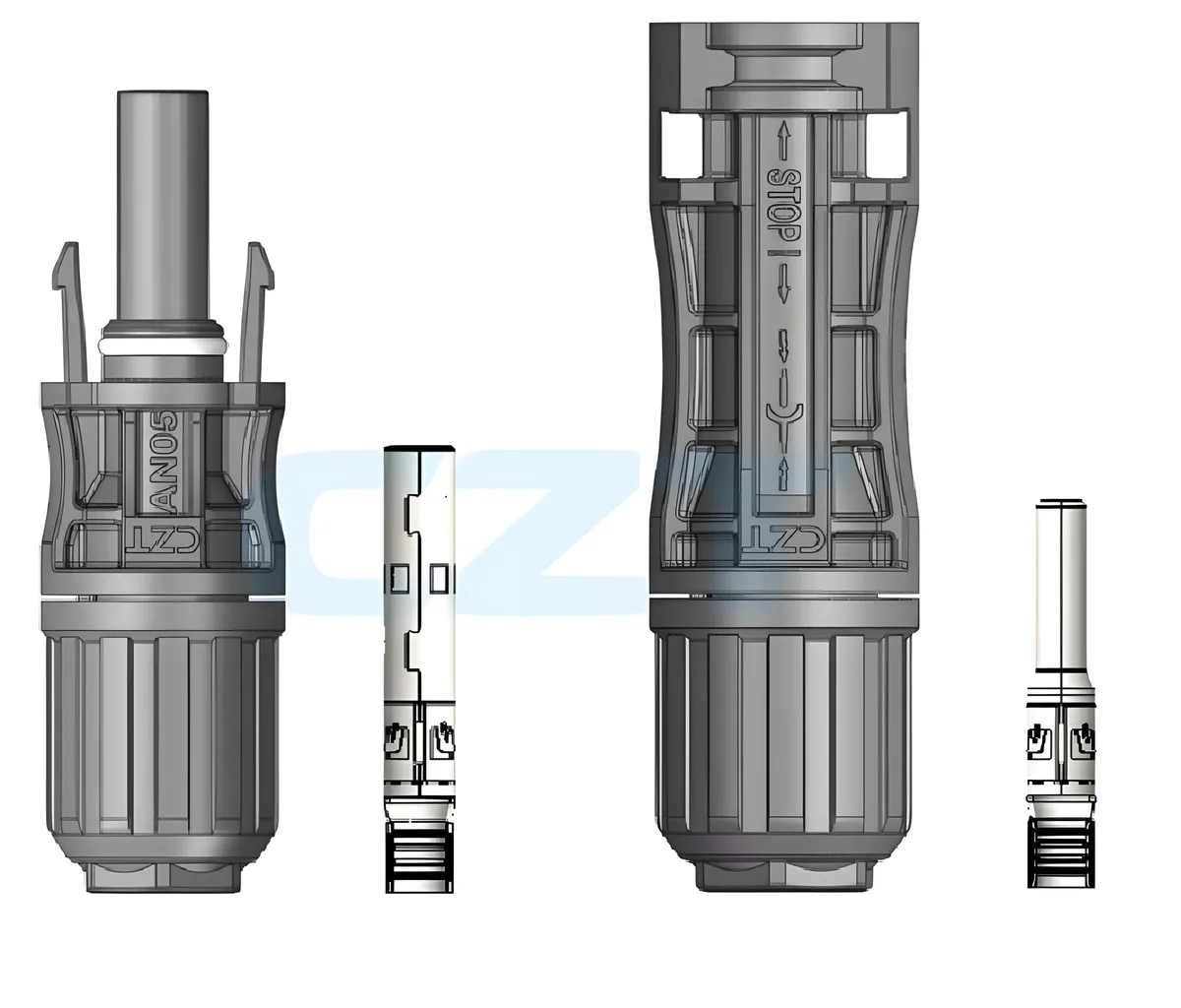
Figure 1. AN05 cable-end connector bodies and separate contact components in CZT's official product illustration. CZT source · Original image.
Fill the technical RFQ fields
| Field | Information to provide |
|---|---|
| Application | System configuration, installation location and target market |
| Electrical inputs | Design voltage, current and relevant operating conditions |
| Cable | Approved identity, conductor size, jacket dimensions and length datums |
| Connector interfaces | Exact mating parts, panel constraints and polarity map |
| Verification | Required reports, acceptance checks and drawing deliverables |
| Quantity | Prototype, pilot and annual demand as separate quantities |
If a field is unknown, mark it as an engineering question and assign an owner. An unspecified cable diameter or length datum is likely to produce quotations that are cheaper because they describe different assemblies.
Ask for a controlled proposal
CZT lists cable-end connectors, panel-side connectors and junction-box references in its solar PV connector family. AN05, AN06 and the BOX series can help identify which product discussion to begin. The catalog names do not establish their electrical rating, mutual compatibility or certification scope.
Request an assembly drawing, component BOM and proposed mating identity with the quotation. Ask which source documents support any claimed performance. For a product without an available controlled drawing, make drawing review an explicit prerequisite to sample approval rather than treating the catalog image as the design specification.

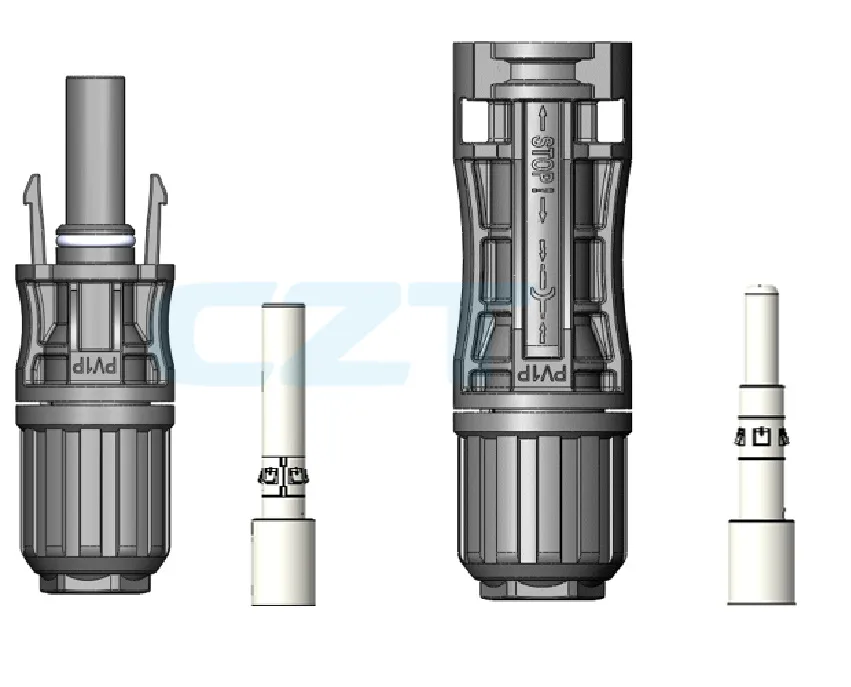
Figure 2. PV1P-A cable-end connector components in the official CZT catalog illustration. CZT source · Original image.
Make commercial comparisons meaningful
Separate tooling, sample manufacture, validation work and production unit price. Ask whether testing, labels, individual packaging and inspection records are included. Compare the same quantity breaks and delivery basis across suppliers.
Record which details remain provisional, including lead time and any minimum order assumption. These should be confirmed against the final configuration; a preliminary estimate is not a delivery commitment.
Add a response column for each supplier to mark compliance, exception or clarification required. This makes a technical comparison easier to review than separate email answers whose assumptions are scattered across several messages.
When samples arrive, review them against the quoted drawing and the original interface sketch. Resolve differences before freezing the production BOM. The RFQ package then becomes the beginning of a traceable approval record, linking the supplier's price to a particular assembly and a defined set of evidence rather than to an informal catalog resemblance.
Connect this review to CZT product information
Catalog references to discuss are listed below. Use the identifiers to request the current drawing and confirm the configuration required by your application.
| Catalog reference | Product information | Drawing record | Reference inquiry |
|---|---|---|---|
| PV cable-end connector, AN05 | PV cable-end connector, AN05 | Request the current drawing | Ask about this reference |
| PV cable-end connector, PV1P-A | PV cable-end connector, PV1P-A | Request the current drawing | Ask about this reference |
These entries identify catalog families. Their listing does not establish a numerical rating, finished-part tolerance or test approval; obtain that evidence for the requested revision.
Browse the relevant product family · View catalog resources
Discuss a drawing, sample or quotation
Share the part or family reference, current drawing revision, operating conditions and quantities. Include the specific checks described in this article so the inquiry identifies both the component and the evidence needed for your decision. Confirm sample availability and the proposed scope with the supplier.
Request a technical review or quotation
For broader context, read the related selection guide.