Validate a PV contact crimp as a specific combination of terminal, wire, tool and process settings. A visually compressed barrel or a successful continuity check does not establish that the production process creates the required termination consistently.
For a cable-end candidate in the CZT PV connector family, obtain the applicable termination instructions and identify the actual contact and cable before building the validation record. Do not borrow acceptance dimensions from a different terminal system.
Lock the material and tooling combination
Record terminal model, wire manufacturer and construction, stripping method, tool, die and locator. Include the process settings and the condition of the tooling. A validation result loses meaning if the production line later uses a different die or conductor construction without review.
Describe the preparation checks too. Damaged strands, incorrect strip length or displaced insulation can affect the finished termination before the crimping operation begins.
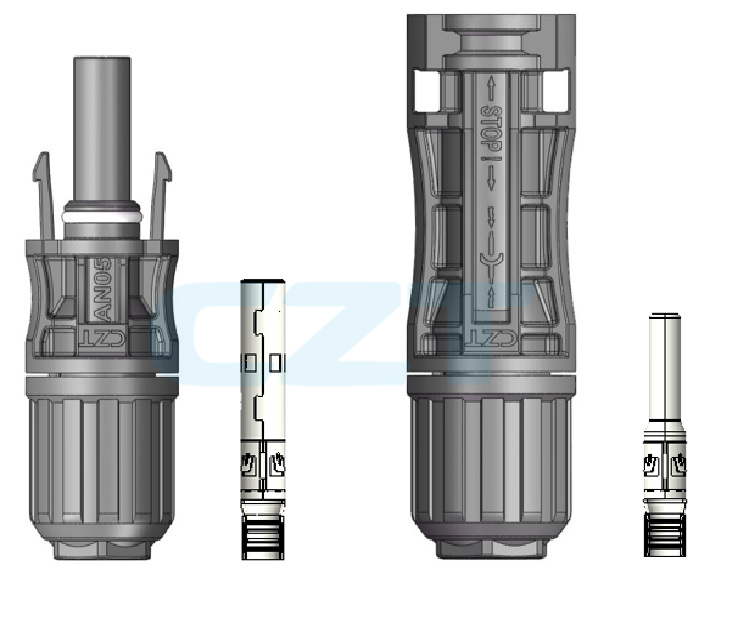
Figure 1. AN05 cable-end connector bodies and separate contact components in CZT's official product illustration. CZT source · Original image.
Use section inspection to examine the formed connection
A prepared cross-section can reveal aspects of conductor and barrel formation that are not visible externally. Its usefulness depends on the selected section plane, preparation quality and the applicable acceptance reference.
Record the location and orientation of the section. Do not choose the most attractive image and discard other relevant observations. Interpret the image with the terminal-specific requirements and qualified manufacturing expertise.
Correlate the records
| Record group | Information to retain |
|---|---|
| Materials | Terminal, cable and lot identities |
| Process | Tool, die, locator and settings |
| Dimensions | Specified crimp measurements and methods |
| Cross-section | Sample ID, plane, image and disposition |
| Pull evaluation | Setup, result and failure location |
| Production release | Accepted window and responsible approval |
Keep raw observations as well as the summary. A pull result without its failure location can omit information needed to understand the termination.
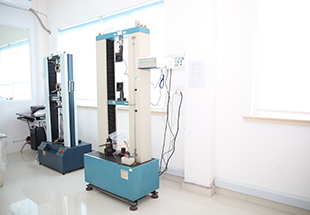
Figure 2. Tensile-test equipment photographed in CZT's official technical-development gallery. CZT source · Original image.
Treat pull testing as one part of validation
Define the pull method, sample preparation and acceptance basis before testing. A high measured value does not automatically prove every aspect of electrical or environmental performance, while an unexpected failure location should prompt investigation rather than a simple number comparison.
For a hypothetical process trial, samples may have similar external appearance but different internal formation under section inspection. That finding can justify reviewing the setup even when initial continuity is satisfactory.
Translate validation into production control
After approval, define the measurements and checks that maintain the accepted process. Establish what changes require renewed review, including terminal, cable, tooling or machine changes.
Preserve the connection between the approved crimp and the final connector assembly. Sealing and housing installation introduce additional requirements that the crimp record does not replace. This gives production a specific, repeatable task while keeping each part of connector qualification tied to the evidence that actually supports it.
Connect this review to CZT product information
Start with the relevant CZT product family and provide the original interface reference or controlled drawing. Ask which configurations and supporting documents are available for the task described here. Confirm the mating arrangement, required features and project conditions before choosing an orderable part.
Browse the relevant product family · View catalog resources
Discuss a drawing, sample or quotation
Share the part or family reference, current drawing revision, operating conditions and quantities. Include the specific checks described in this article so the inquiry identifies both the component and the evidence needed for your decision. Confirm sample availability and the proposed scope with the supplier.
Request a technical review or quotation
For broader context, read the related selection guide.