Select a PV connector's current rating using its documented thermal conditions and the actual cable and installation environment. A headline current value should not be treated as independent of ambient temperature, conductor construction or the connector's permitted operating temperature.
Use an exact candidate in the CZT solar PV range and request the applicable current and temperature information. The purpose is to select and verify a combination, not to assign a new rating from a general rule.
Distinguish current, rise and absolute temperature
Current produces heating in resistive portions of the connection. Temperature rise describes the increase above a defined ambient, while absolute component temperature is the sum of that ambient and the measured rise under the stated conditions.
This distinction matters in a hot installation. Two arrangements with similar rise can reach different absolute temperatures if their local ambient conditions differ. Review the relevant operating limits for the complete connector and cable combination.
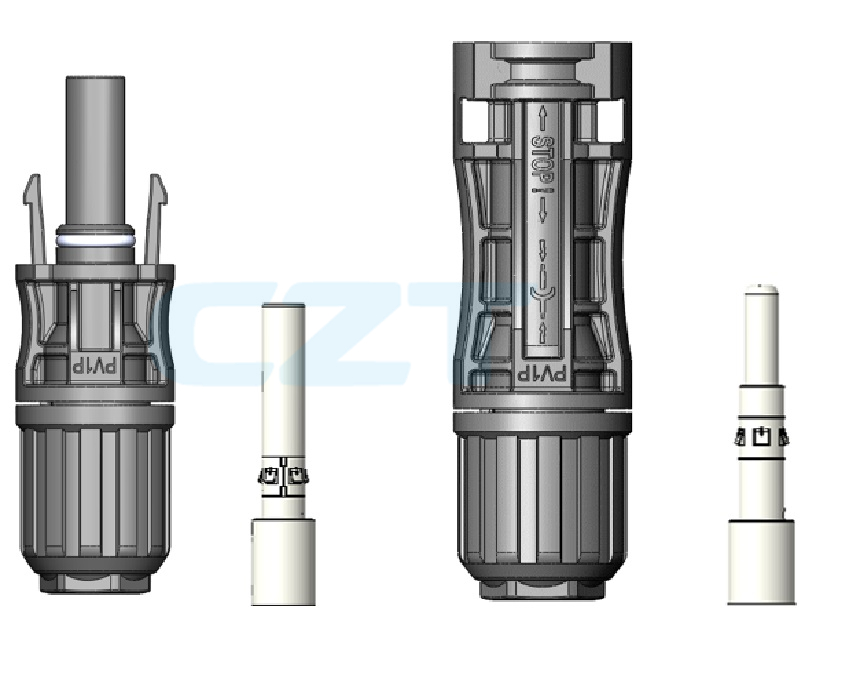
Figure 1. PV1P-A cable-end connector components in the official CZT catalog illustration. CZT source · Original image.
Identify the actual thermal boundary
Describe where the connector sits, how the cable is supported and whether surrounding equipment or surfaces influence local temperature. An exposed bench sample may cool differently from a connector near a warm enclosure or within a restricted space.
Record cable size and construction, mating configuration and the actual loading mode. These details belong beside any current claim or test result because they define the evaluated assembly.
Build a current-selection worksheet
| Selection input | Evidence or decision |
|---|---|
| Required load | Project-defined continuous and other relevant cases |
| Local environment | Approved ambient basis and installation conditions |
| Cable combination | Actual conductor and jacket specification |
| Connector conditions | Model-specific rating or derating documentation |
| Verification | Representative temperature measurement plan |
| Release scope | Accepted configuration and operating boundary |
Do not apply a percentage derating copied from an unrelated connector family. Use documented information and engineering assessment for the actual component and application.
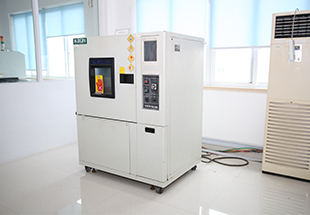
Figure 2. Temperature/humidity chamber photographed on CZT's official technical-capability page. CZT source · Original image.
Understand why small changes can matter
At constant resistance, resistive heating follows the square of current. In a purely hypothetical comparison, raising current by 20% increases that heating term by 44%. This mathematical illustration is not a thermal prediction for a CZT product because resistance and cooling conditions can also change.
The lesson is to investigate the proposed load rather than assume a modest current increase has a negligible effect.
Verify the chosen combination
Use a representative assembly and defined sensor locations. Record both steady behavior and any project-relevant operating cases. If a hotspot appears, investigate contact condition, termination and cooling before changing several factors together.
The approval should identify the connector, cable, mating combination and installation conditions evaluated. A later cable substitution or hotter environment can change the basis of that decision even if the purchasing description still contains the same nominal current value.
Connect this review to CZT product information
Start with the relevant CZT product family and provide the original interface reference or controlled drawing. Ask which configurations and supporting documents are available for the task described here. Confirm the mating arrangement, required features and project conditions before choosing an orderable part.
Browse the relevant product family · View catalog resources
Discuss a drawing, sample or quotation
Share the part or family reference, current drawing revision, operating conditions and quantities. Include the specific checks described in this article so the inquiry identifies both the component and the evidence needed for your decision. Confirm sample availability and the proposed scope with the supplier.
Request a technical review or quotation
For broader context, read the related selection guide.