A PV fuse connector should be reviewed as a fuse, holder or enclosed assembly, connector interface and cable system. Replacing only by current marking or physical cartridge size leaves important questions unanswered. The approved replacement must preserve the electrical protection function and the mechanical and thermal conditions of the complete assembly.
Identify what can actually be replaced
Determine whether the fuse is serviceable or supplied inside a sealed, non-serviceable product. Do not assume a housing can be opened because a similar-looking product has a removable cap. Obtain the manufacturer-defined maintenance procedure and replacement part identification.
Create separate BOM lines for the fuse link, holder or enclosure, contact parts and cable terminations where those items are independently controlled. For a sealed assembly, retain the assembly part number and revision as the procurement identity. An internal component substitution is then a controlled engineering change, not an informal maintenance choice.

Figure 1. PV1P-A cable-end connector components, shown for PV-family context. This is not a fuse-connector illustration. CZT source · Original image.
Compare protection data before dimensions
Collect the system's maximum DC voltage, expected operating current and prospective fault conditions from the electrical design owner. Compare those inputs with the exact fuse manufacturer's DC application data and protection curves. An AC rating or a convenient cartridge size does not answer that review.
Eaton's photovoltaic fuse application guide separates fuse-link types, mounting arrangements and associated holders. Use the current data for the selected fuse; the guide is not evidence that an unrelated connector assembly accepts that fuse.
Build a replacement approval table
| Evidence item | What the reviewer should establish |
|---|---|
| Exact fuse identifier | Manufacturer, series and current revision |
| Electrical application | DC voltage, interruption and coordination suitability |
| Mechanical interface | Dimensions, end contacts and retention method |
| Thermal installation | Enclosure, cable and operating-temperature assumptions |
| Maintenance record | Permitted replacement procedure and identification |
A nominal match in the first and third rows cannot compensate for missing protection evidence. Conversely, an electrically suitable fuse can still be mechanically unsuitable for a particular holder.
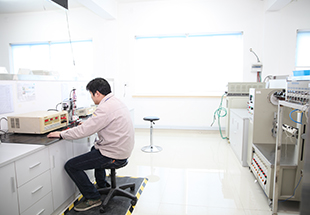
Figure 2. General electrical-test workstation on the official CZT capability page. It does not show a fuse-connector test or qualification result. CZT source · Original image.
Check the assembled thermal boundary
An enclosed fuse dissipates heat within a specific assembly. Examine contact interfaces, wire terminations, orientation and the surrounding installation when reviewing temperature data. A bare fuse-link result should not be relabeled as an enclosed-connector result.
When requesting products from CZT's solar PV connector family, state that a fuse-containing assembly is required and ask whether an actual documented construction is available. Cable-end connector catalog entries alone do not prove that capability.
Ask the system owner to review a proposed replacement before it becomes an approved spare. Maintenance convenience and electrical coordination are separate decisions; both should be closed against the same assembly identity.
Release a replacement only when its identity, protection review and assembly conditions are tied to a controlled record. If any of those change, identify which previous evidence remains applicable and which checks must be repeated. This is especially important when an apparently minor holder or contact change alters heat flow without changing the current marking.
Connect this review to CZT product information
Start with the relevant CZT product family and provide the original interface reference or controlled drawing. Ask which configurations and supporting documents are available for the task described here. Confirm the mating arrangement, required features and project conditions before choosing an orderable part.
Browse the relevant product family · View catalog resources
Discuss a drawing, sample or quotation
Share the part or family reference, current drawing revision, operating conditions and quantities. Include the specific checks described in this article so the inquiry identifies both the component and the evidence needed for your decision. Confirm sample availability and the proposed scope with the supplier.
Request a technical review or quotation
For broader context, read the related selection guide.