A PV junction-box bypass diode needs thermal evidence from the actual assembled box, not only a diode current rating. The review should connect the intended electrical operating condition with the diode's temperature limit and the real heat path through its leads, terminals, potting and enclosure. Begin by asking what temperature was established, by which method, and under what conditions.
Define the operating case
Obtain the module's electrical configuration and the diode's exact identification. Identify which bypass condition is being assessed and the current it produces. Record surrounding temperature, module mounting and the arrangement of neighboring heat sources. A result obtained in a ventilated fixture does not represent every sealed box installation.
The diode data sheet should identify the relevant limits and the conditions behind its thermal parameters. Avoid combining a case-temperature measurement with an unrelated junction-to-ambient value. The temperature reference used in a calculation must correspond to the parameter's definition.
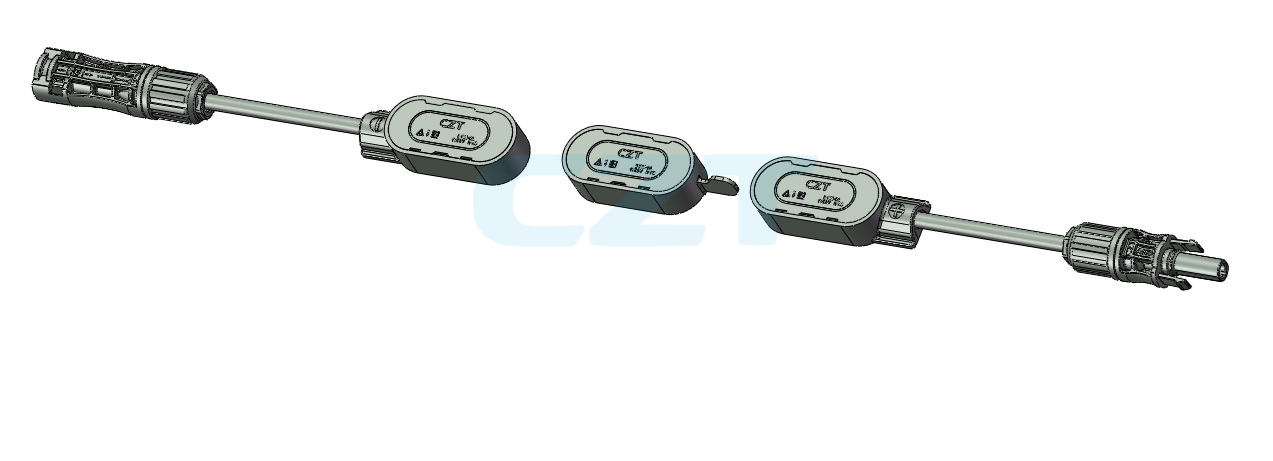
Figure 1. BOX-1x assembly as illustrated on the official manufacturer product page. CZT source · Original image.
Ask how junction temperature was determined
A thermocouple on the outside of the box measures that location, not automatically the semiconductor junction. Possible methods include a justified thermal calculation or a calibrated electrical measurement method. The laboratory should document its choice and the assumptions involved.
Diotec's solar bypass-diode application note discusses temperature-estimation approaches and their measurement requirements. Use the current applicable test specification for the actual product rather than copying historical test conditions from an application note.
Review the evidence package
| Record | Reason it matters |
|---|---|
| Diode identity and revision | Connects limits to the component actually installed |
| Box and terminal drawing | Defines the conductive heat path |
| Potting identity and coverage | Documents the material around the diode |
| Electrical load and environment | Makes the operating case reproducible |
| Measurement method and raw data | Allows the temperature conclusion to be checked |
Request photographs locating every measurement point. Also ask whether sample preparation changed the enclosure or potting enough to affect the measured heat path.
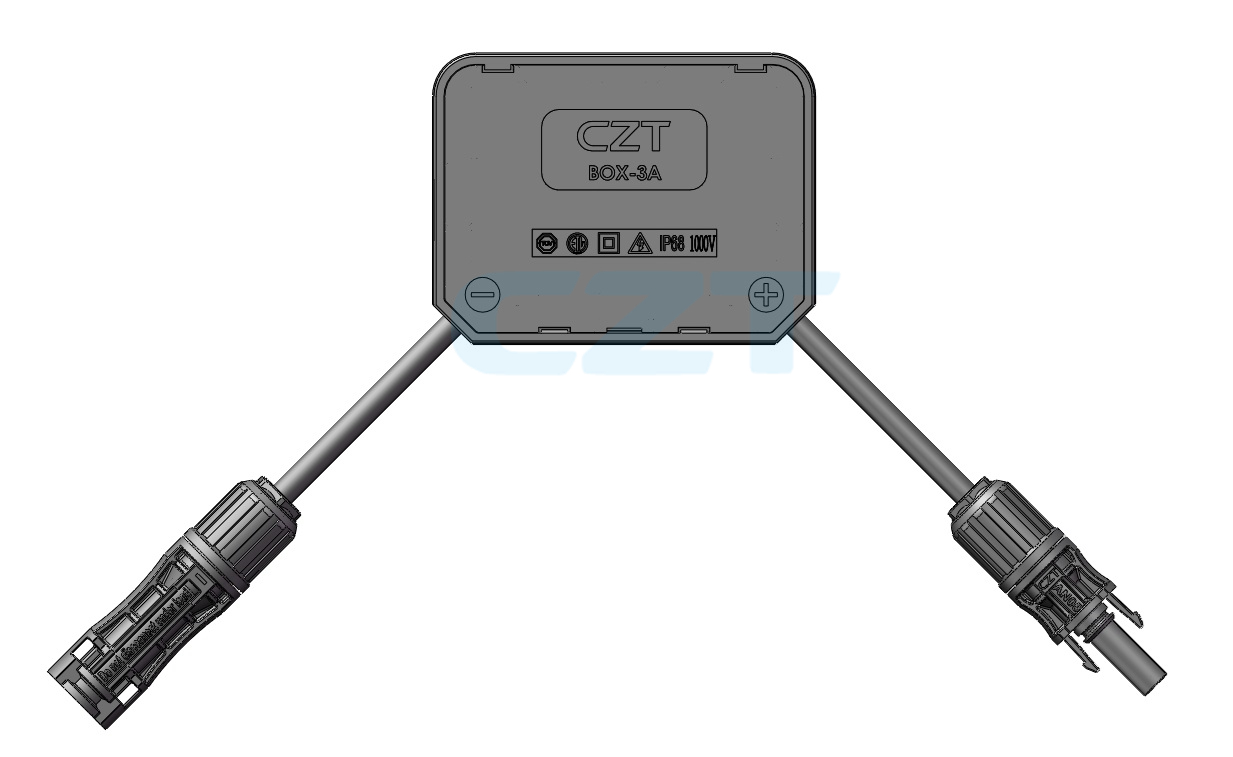
Figure 2. BOX-3x assembly as illustrated in the official CZT PV catalog. CZT source · Original image.
Treat changes as engineering changes
CZT's solar PV connector and junction-box family contains junction-box catalog references. Their names do not establish a diode manufacturer, semiconductor temperature limit or completed thermal qualification. Those facts require a construction-specific BOM and report.
Consider a hypothetical substitution in which the replacement diode fits the terminal spacing but has a different package and thermal parameter definition. A dimensional match would not answer whether the earlier temperature calculation remains valid. The appropriate response is to update the thermal review and identify the necessary verification, rather than reusing the previous conclusion unchanged.
Check whether the reported sample contained all production materials. A box tested before final potting or with an opened cover can help an investigation, but its result needs a clear explanation before it represents the released construction.
Approve a construction only when the reported temperature, permitted limit and actual operating assumptions are connected explicitly. Keep the calculation or raw measurement record alongside the assembly revision so that later substitutions can be evaluated against a known baseline.
Connect this review to CZT product information
Start with the relevant CZT product family and provide the original interface reference or controlled drawing. Ask which configurations and supporting documents are available for the task described here. Confirm the mating arrangement, required features and project conditions before choosing an orderable part.
Browse the relevant product family · View catalog resources
Discuss a drawing, sample or quotation
Share the part or family reference, current drawing revision, operating conditions and quantities. Include the specific checks described in this article so the inquiry identifies both the component and the evidence needed for your decision. Confirm sample availability and the proposed scope with the supplier.
Request a technical review or quotation
For broader context, read the related selection guide.