Potting-material compatibility in a PV junction box must be demonstrated with the actual housing, components and production process. A resin's standalone data sheet cannot prove that it cures, adheres and performs correctly in an assembled box. The useful validation unit is the complete material stack, including any cleaning residue, adhesive or mold-release contamination.
Separate material identity from process identity
Record the potting product and component batches, mix ratio, dispensing equipment, working time and cure conditions. Then identify every substrate it contacts: housing plastic, terminal finish, diode body, cable insulation and adjoining adhesive. A change to any one of these can alter the validation question.
The DuPont PV junction-box technical manual discusses cure inhibition and contamination in silicone-potting applications. Its practical lesson is to test the real interacting materials. Do not transfer one manufacturer's cure schedule to a different formulation or assume every silicone behaves alike.
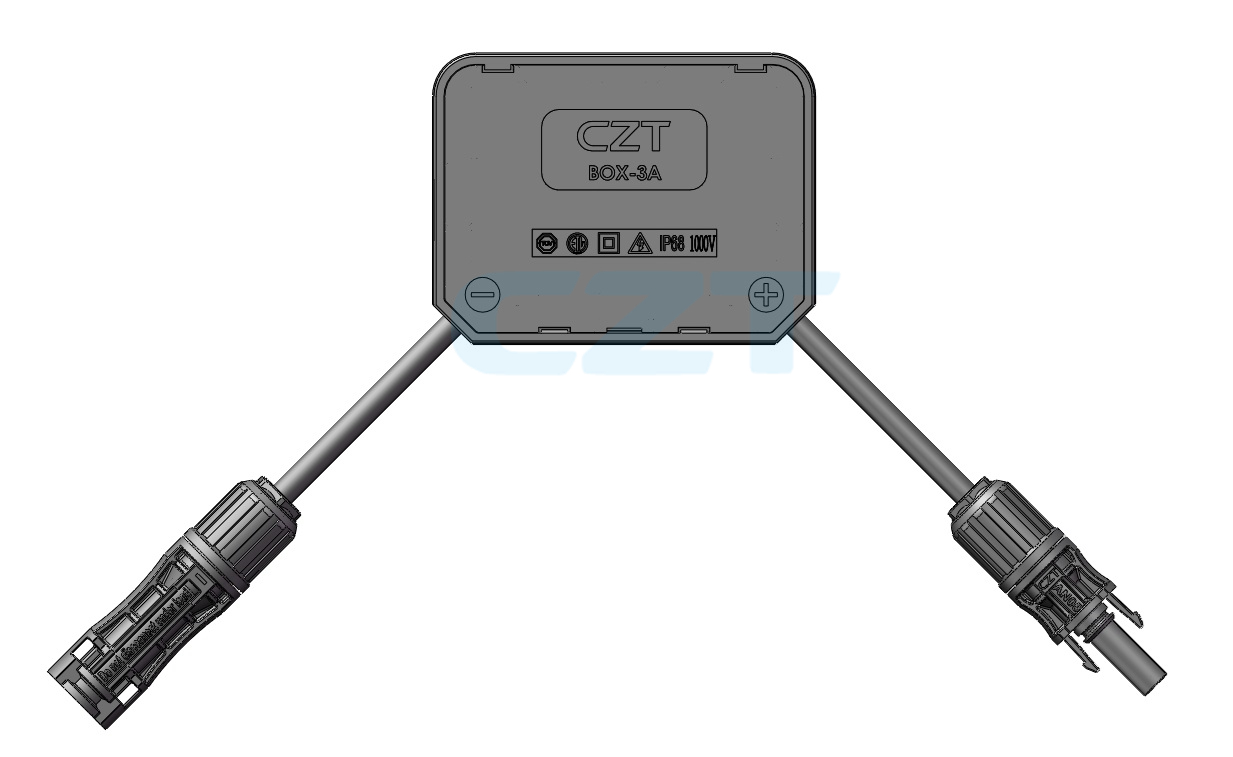
Figure 1. BOX-3x assembly as illustrated in the official CZT PV catalog. CZT source · Original image.
Start with small, traceable compatibility samples
Use representative production substrates rather than polished laboratory substitutes. Record how each was molded, cleaned and stored. Include control specimens so that an uncured interface can be distinguished from an incorrectly mixed batch.
Inspect both the exposed surface and the interface after the specified cure. A dry-looking top surface does not establish that material against a terminal or adhesive has cured adequately. Select inspection methods with the material supplier, including any destructive sectioning needed to inspect hidden regions.
A practical validation matrix
| Sample variable | Observation to record |
|---|---|
| Housing resin or release agent | Cure and adhesion at the molded surface |
| Adjacent bonding adhesive | Local cure condition near the interface |
| Dispensing and mix process | Batch consistency, voids and coverage |
| Cable or terminal surface | Adhesion and unwanted material interaction |
| Environmental conditioning | Changes in interfaces, insulation or thermal behavior |
Choose conditioning from the target product's qualification requirements. The table defines investigation areas, not a universal test sequence or acceptance limit.
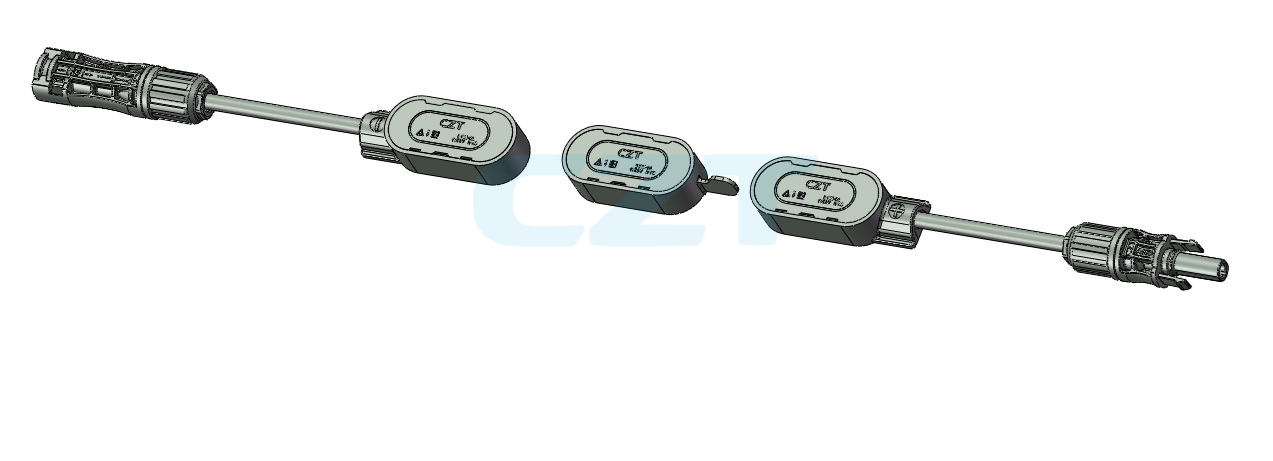
Figure 2. BOX-1x assembly as illustrated on the official manufacturer product page. CZT source · Original image.
Review potting as part of the junction box
CZT lists junction-box references within its solar PV product family. BOX-1x or BOX-3x can anchor a request for an actual construction drawing and material list. The catalog names do not identify their resin formulation, diode arrangement or potting compatibility.
After initial cure compatibility is established, assess the intended assembly's electrical and thermal behavior. Voids, coverage and interface changes may matter differently in different designs. Document what was measured and how the sample represents production rather than calling the material approved in general.
Include manufacturing contact materials in the screening plan. A dispensing nozzle, temporary mask or handling aid may contact the uncured material even though it never appears in the finished BOM. Record those contacts so that process changes remain visible.
Keep a retained sample and a controlled process record. If an adhesive, housing supplier or cleaning chemical changes, use that record to decide what must be rechecked. This prevents a material substitution from inheriting qualification evidence that was obtained on a different interface.
Connect this review to CZT product information
Start with the relevant CZT product family and provide the original interface reference or controlled drawing. Ask which configurations and supporting documents are available for the task described here. Confirm the mating arrangement, required features and project conditions before choosing an orderable part.
Browse the relevant product family · View catalog resources
Discuss a drawing, sample or quotation
Share the part or family reference, current drawing revision, operating conditions and quantities. Include the specific checks described in this article so the inquiry identifies both the component and the evidence needed for your decision. Confirm sample availability and the proposed scope with the supplier.
Request a technical review or quotation
For broader context, read the related selection guide.