SATA alternate-part approval should compare interface definition, PCB attachment and functional evidence separately. A similar keyed outline is not sufficient to release a substitute. The proposed part must work in the actual equipment and meet the requirements assigned to that connection.
Use the USB and HDMI connector family to locate candidate catalog records, then request the controlled drawing for each alternative. Do not interpret a shared family label as a statement that two supplier models are interchangeable.

Figure 1. CZT SATA combined-interface example illustrates a distinct housing and board arrangement whose identity must be checked before replacement approval. CZT source · Original image.
Resolve the exact interface first
Identify the mating device or cable and the arrangement used by the equipment. Confirm whether the reviewed part handles data, power or a combined interface. Create a pin-function mapping using each manufacturer's viewing direction and numbering.
Check the keying geometry and required engagement position. A candidate that appears to fit when loosely held can still bind or seat incompletely when fixed to a board or enclosure guide.
Ambiguous part descriptions should stay on the open-questions list. For example, a right-angle label does not reveal every board-side dimensional feature or establish the plug approach direction in your equipment.
Make a dimensioned comparison
Overlay the existing and candidate footprints on a common PCB datum. Include signal or power tails, support features, locating posts and maximum body dimensions. Compare board height and forward projection against the enclosure.
| Approval item | Required evidence |
|---|---|
| Pin-function mapping | Checked schematic-to-drawing table |
| Keying and engagement | Mating drawing and sample inspection |
| Pads and holes | Dimensioned footprint comparison |
| Process suitability | Approved assembly conditions and first article |
| Installed operation | Results for the required product configuration |
Record acceptable differences with a reason. Silence in a comparison spreadsheet should not be interpreted as confirmation that a feature was checked.
Evaluate the production implementation
Build samples using the intended board and joining process. Check seating, joint quality and mating before running the relevant electrical and system evaluations. If the alternate requires another footprint, capture the corresponding routing or power-path change.
For a hypothetical compact drive bay, a candidate may preserve the electrical mapping while moving its body closer to a guide rail. The decision might be to change the guide, choose another candidate or reject the alternate. It should not be to force the drive into the assembly during inspection.
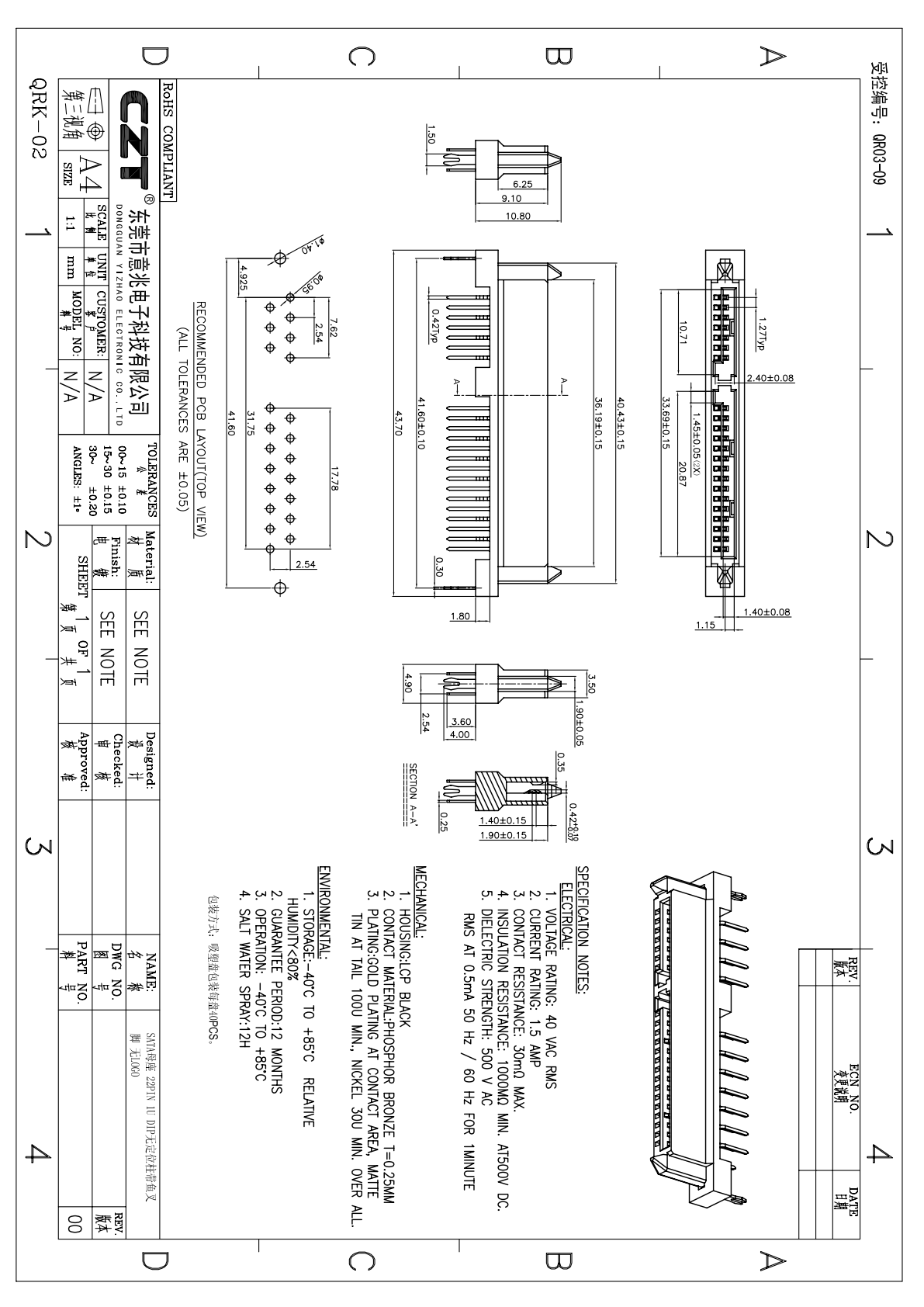
Figure 2. Official drawing for the same SATA example provides geometry for a controlled alternate-part comparison rather than an appearance-based substitution. CZT source · Original PDF, page 1.
Define a controlled substitution rule
State the full alternative code and drawing revision, associated PCB version and any assembly restrictions. Identify the evidence supporting mechanical fit, continuity, power requirements and required channel operation without combining them into one unexplained pass.
Keep alternate stock separately identifiable until the approval explicitly permits common stocking. When the original or alternate changes, compare the revised features with the approved difference record. The useful outcome is an engineering-controlled purchasing option, with known conditions, rather than a general assertion that all similarly named SATA parts are equivalent.
Connect this review to CZT product information
Start with the relevant CZT product family and provide the original interface reference or controlled drawing. Ask which configurations and supporting documents are available for the task described here. Confirm the mating arrangement, required features and project conditions before choosing an orderable part.
Browse the relevant product family · View catalog resources
Discuss a drawing, sample or quotation
Share the part or family reference, current drawing revision, operating conditions and quantities. Include the specific checks described in this article so the inquiry identifies both the component and the evidence needed for your decision. Confirm sample availability and the proposed scope with the supplier.