Trial-tool samples and production first articles answer different questions. Early samples help refine the tool and component definition; production first articles should represent the agreed manufacturing route and controlled revision. A useful transition package makes those differences visible instead of treating every sample as equally representative.

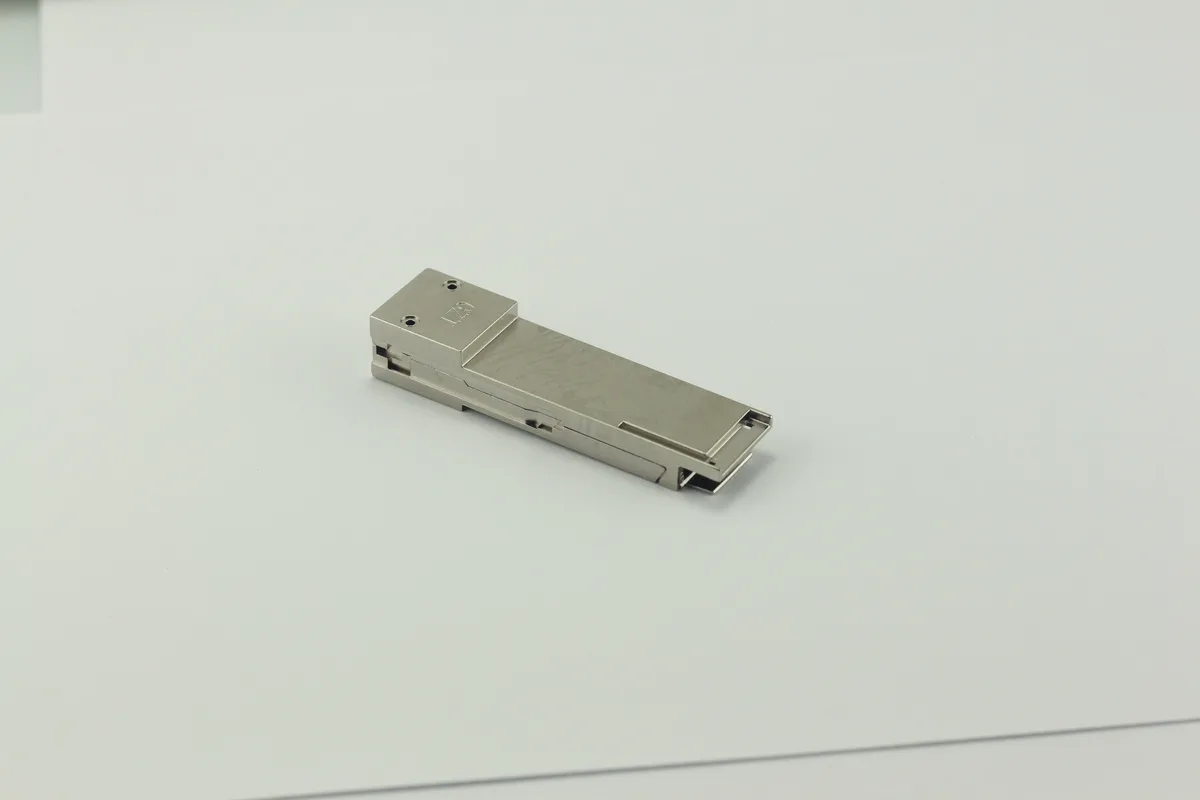
Figure 1. CZT MINI SAS structural component. The finished structural-part identity belongs in a first-article evidence pack. CZT source · Original image.
Identify how each sample was made
Record tool identification, cavity, material, process stage, secondary work and drawing revision. Mark any hand modification or exceptional operation. A sample corrected manually can support an engineering discussion, but it should not silently become proof that normal production will create the same geometry.
Keep the trial history. A later sample may resolve one issue while introducing another, so reviewing only the final photograph loses the reasoning behind the accepted configuration.
Build the production evidence package
| Evidence | What it connects |
|---|---|
| Drawing and change list | Final requirements and closed trial issues |
| Material record | Identified samples to the agreed material |
| Dimensional report | Measured features to the final drawing |
| Process sequence | Casting, trimming, machining and finishing |
| Functional checks | Mating, sealing or retention requirements where applicable |
| Inspection plan | Production checks and reaction to nonconforming results |
The required documents depend on the program. Do not add a formal approval label to a package unless the customer has defined what that label requires.
Verify the normal process route
Confirm that samples used for release include the intended secondary operations and finish. If production will move to another machine, fixture or source, assess the effects before assuming trial results remain representative. Review cavity-specific evidence when multiple cavities are used rather than hiding variation inside one average result.
The CZT precision die-casting catalog offers structural-part references for an inquiry. Request the actual trial-to-production documentation available for the selected project. Catalog identity alone does not demonstrate first-article approval or customer qualification.

Figure 2. CZT coordinate-measurement equipment. Metrology equipment illustrates the measurement component of the evidence pack; no first-article approval is represented. CZT source · Original image.
Close issues by evidence
For each open item, record the required correction, responsible party and verification result. Distinguish a permanent drawing change from a temporary deviation with defined scope. If an issue is accepted by concession, ensure purchasing and production can identify which parts and deliveries that decision covers.
Release should establish a baseline for subsequent deliveries: the drawing, process route, material and relevant inspection conditions. Keep approved samples labeled and stored so they can still be interpreted later. This makes a future change or quality complaint easier to compare with the actual released configuration, rather than with an unlabeled prototype whose manufacturing history is no longer known.
Define how long the approval samples and supporting records must remain available for the actual program. Name the party responsible for retaining them and ensure a later transfer of production does not separate the samples from the revision history needed to interpret them.
Connect this review to CZT product information
Catalog references to discuss are listed below. Use the identifiers to request the current drawing and confirm the configuration required by your application.
| Catalog reference | Product information | Drawing record | Reference inquiry |
|---|---|---|---|
| QSFP structural component catalog record 224 | QSFP structural component catalog record 224 | Request the current drawing | Ask about this reference |
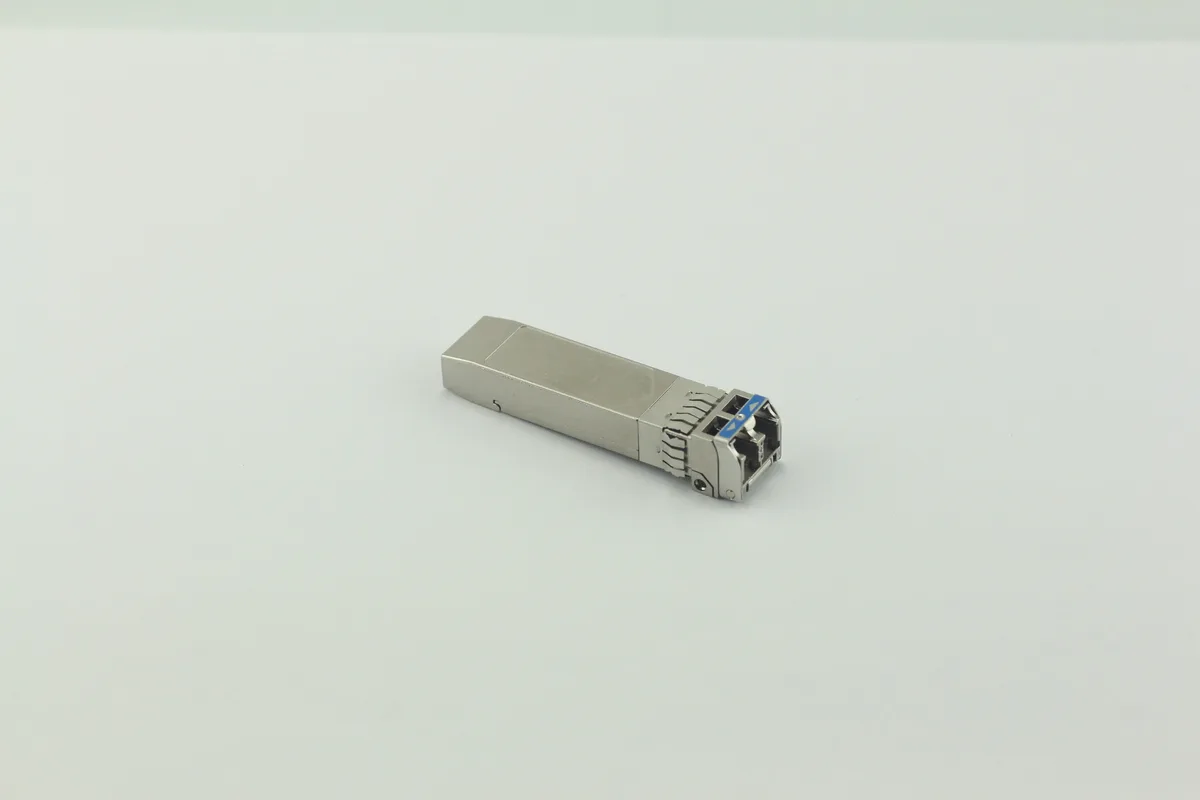
| SFP+ structural component catalog record 232 | SFP+ structural component catalog record 232 | Request the current drawing | Ask about this reference |
These entries identify catalog families. Their listing does not establish a numerical rating, finished-part tolerance or test approval; obtain that evidence for the requested revision.
Browse the relevant product family · View catalog resources
Discuss a drawing, sample or quotation
Share the part or family reference, current drawing revision, operating conditions and quantities. Include the specific checks described in this article so the inquiry identifies both the component and the evidence needed for your decision. Confirm sample availability and the proposed scope with the supplier.