All (297)I/O Connectors (21)Automotive & EV (56)Industrial (37)Fiber Optics (35)Solar & Energy (57)Engineering Guides (36)Networking (45)Networking & Fiber (4)Case Studies (3)Product Comparisons (3)
Engineering Guides
Reviewing Connector 8D Reports for Containment and Verified Root Cause
A connector 8D report should be judged by its evidence, not by whether every box contains text. Temporary containment, verified cause and effective...
Read more
Engineering Guides
Matching Connector Drawing Revisions to Sample Labels
Match every connector sample to an identified part and drawing revision before testing or assembly review. A result belongs to the specimen actually...
Read more
Engineering Guides
First-Article Inspection Report Index for Connector Buyers
A first-article inspection report needs an index that connects every required characteristic to its measurement or supporting record. A folder full of...
Read more
Engineering Guides
Controlling Retained and Approved Golden Samples for Connectors
An approved connector sample should have a defined identity and purpose. A golden sample is useful as a reference only when reviewers know which features...
Read more

Engineering Guides
Mapping Connector Material Declarations to Housings, Contacts and Plating
Map a connector material declaration to the actual housing, contacts, plating and other constituent parts on its controlled BOM. A declaration for a...
Read more
Engineering Guides
Comparing Connector MOQ and Price Breaks against Annual Demand
Compare connector minimum order quantities and price breaks against expected consumption and release timing, not unit price alone. A lower quoted price...
Read more
Engineering Guides
Connector PCN Review for Technical Impact, Stock and Requalification
A connector product change notification should be reviewed for technical impact, affected stock and required approval actions. Receiving the notification...
Read more

Engineering Guides
Defining Ramp-Up Exit Criteria for Connector Pilot Lots
A connector pilot lot should have defined exit criteria before production begins. A successful build is useful evidence, but it does not automatically...
Read more
Engineering Guides
Defining Connector PPAP Scope and Submission Responsibilities
Define connector PPAP scope with the customer before promising a submission package. The required records, samples, submission arrangement and approval...
Read more
Engineering Guides
Building a Reproducible Connector Nonconformance Evidence Pack
A useful connector nonconformance report lets another investigator understand what happened, identify the specimens and reproduce the relevant condition....
Read more
Engineering Guides
Connector RFQ Completeness Checklist for Faster Technical Review
A connector RFQ is ready for technical review when it identifies the interface, installed conditions, required evidence and purchasing quantities clearly...
Read more

Engineering Guides
Connector Sample Approval Form for Fit, Electrical and Environmental Tests
A connector sample-approval form should record fit, electrical operation and environmental verification as separate conclusions. A sample that mounts...
Read more
Engineering Guides
Starting Connector Specification from a Legacy Sample without Drawings
A legacy connector sample can start a specification effort, but it cannot reveal every property needed to approve a replacement. Separate measurable...
Read more
Engineering Guides
Building a Connector Project Schedule around Approval Gates
A connector project schedule should be built around decisions and evidence, not only a requested delivery date. Drawing approval, sample evaluation and...
Read more
Engineering Guides
Defining Shipment Inspection and Receiving Acceptance for Connector Orders
Shipment inspection and receiving acceptance should be defined as two connected activities with different observation points. The supplier checks product...
Read more

Engineering Guides
Questions to Verify Connector Traceability from Materials to Shipment
Verify connector traceability by following a real shipment backward to its constituent lots and forward again to affected finished units. Asking whether...
Read more
Engineering Guides
Checking Connector Capacity Claims through Process-Level Evidence
Connector capacity should be evaluated through the manufacturing route that will serve the order. A factory-wide monthly number may include unrelated...
Read more
Engineering Guides
Shared Technical Clarification Log for Connector Engineering and Purchasing
A shared technical clarification log should turn an incomplete connector inquiry into a traceable set of decisions. Engineering needs evidence for the...
Read more
Engineering Guides
Separating Tooling, Sample and Unit Costs in Custom Connector Quotes
A custom-connector quotation should separate nonrecurring work, sample costs and recurring production price. A single total can conceal tooling,...
Read more
Engineering Guides
Staging Qualification of a Second-Source Connector Supplier
Second-source connector qualification should progress through defined stages that reduce uncertainty before volume purchasing. A second supplier's...
Read more
Engineering Guides
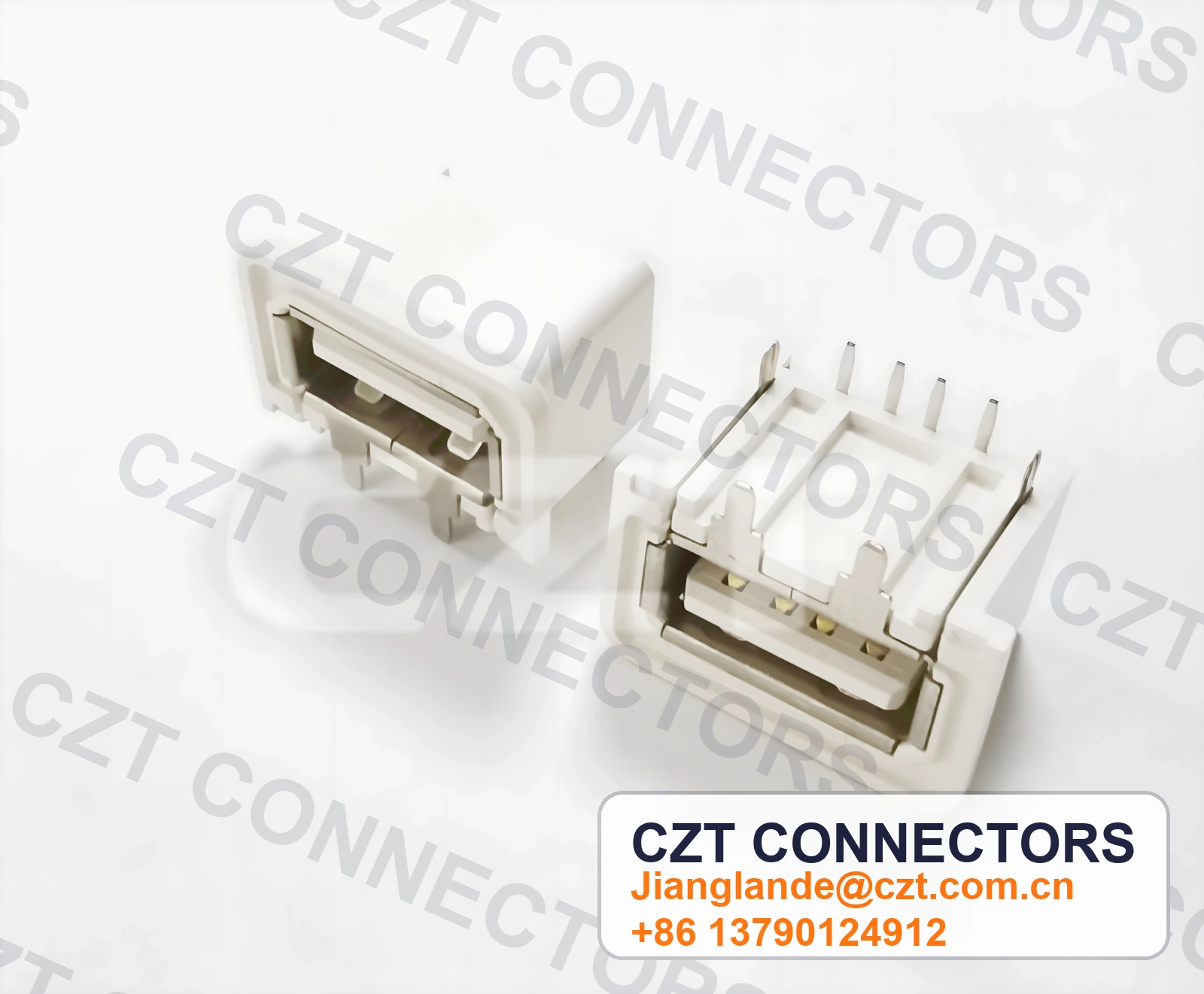
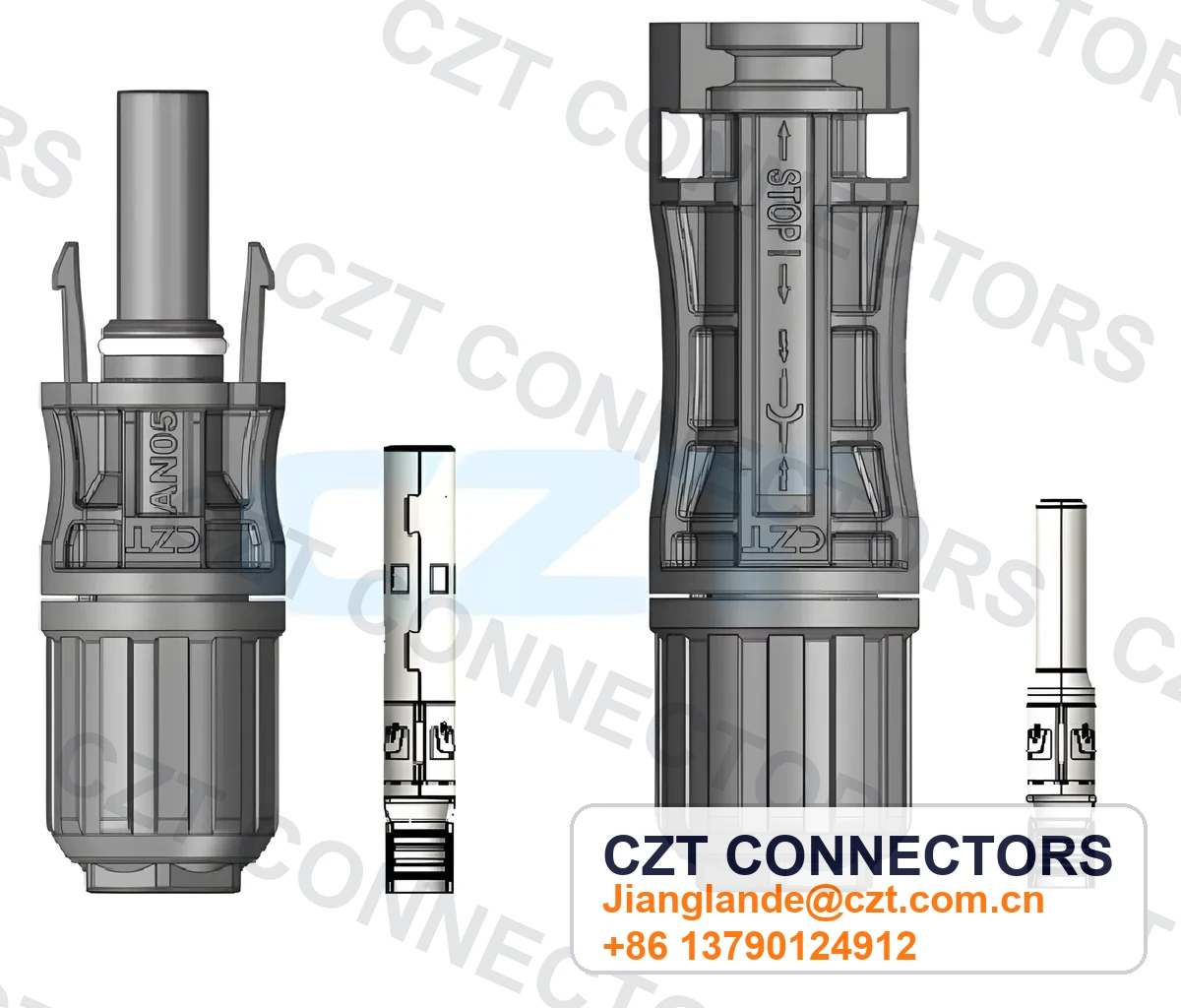
USB Type-C Connector Family Guide: 6-Pin, 16-Pin, 24-Pin, SMT, DIP and Waterproof
Compare USB Type-C connector families for product design: 6-pin, 16-pin, 24-pin, plug, receptacle, vertical, mid-mount, offset PCB, dual SMT, DIP, and waterproof options.
Read more
Engineering Guides
Busbar Duct Systems: Types, Ratings & Installation Guide
Learn how busbar duct systems work, the types (sandwich, open, plug-in), current ratings, and when to choose busbar duct over cable tray in power distribution.
Read more
Engineering Guides
HDMI Connector Types: Type A, Mini, Micro & HDMI 2.1 Guide
Learn HDMI connector types — Type A, C, D & E — plus HDMI 2.0 vs 2.1 differences, bandwidth, and 4K/8K support.
Read more
Engineering Guides
USB-C Connector: Speeds, Power Delivery & Compatibility
Learn the USB-C connector standards: USB 3.2, USB4, Thunderbolt 4, Power Delivery, and Alt Mode. Covers how to choose the right USB-C cable and connector.
Read more
Engineering Guides
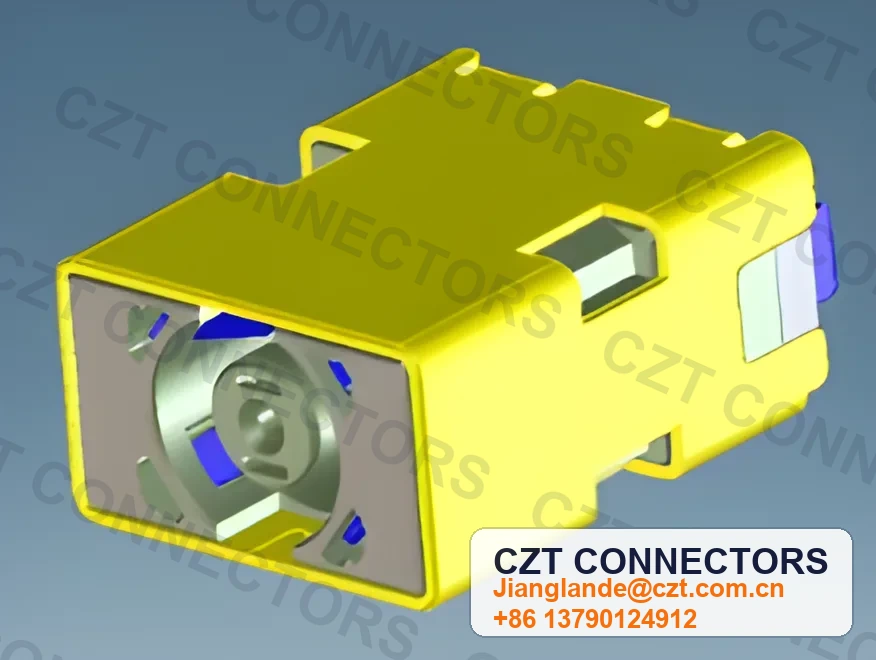
Choosing the Right Busbar Material: Copper vs Aluminum
Compare copper and aluminum busbar materials. Covers conductivity, cost, weight, surface treatments, and how to choose the right material for your application needs.
Read more
Engineering Guides
How to Choose a Connector Manufacturer: 5 Key Criteria
Learn how to evaluate a connector manufacturer before placing an order. Covers certifications, engineering capabilities, production scale, and quality assurance checks.
Read more
Engineering Guides
Understanding Connector Certifications: UL, CE, RoHS, TUV
Learn what UL, CE, RoHS, and TUV connector certifications mean, what each standard covers, why they matter, and how to verify compliance before purchasing parts.
Read more
Engineering Guides
How Connectors Are Made: 8-Step Manufacturing Process
From CAD design to final shipment in 8 stages. See how stamping, plating, and injection molding produce reliable connectors at scale.
Read more
Engineering Guides
Connector Reliability Testing: Methods & Industry Standards
Learn the key connector testing methods used to ensure reliability. Covers electrical, mechanical, and environmental tests, plus IEC and UL industry standards explained.
Read more
Engineering Guides
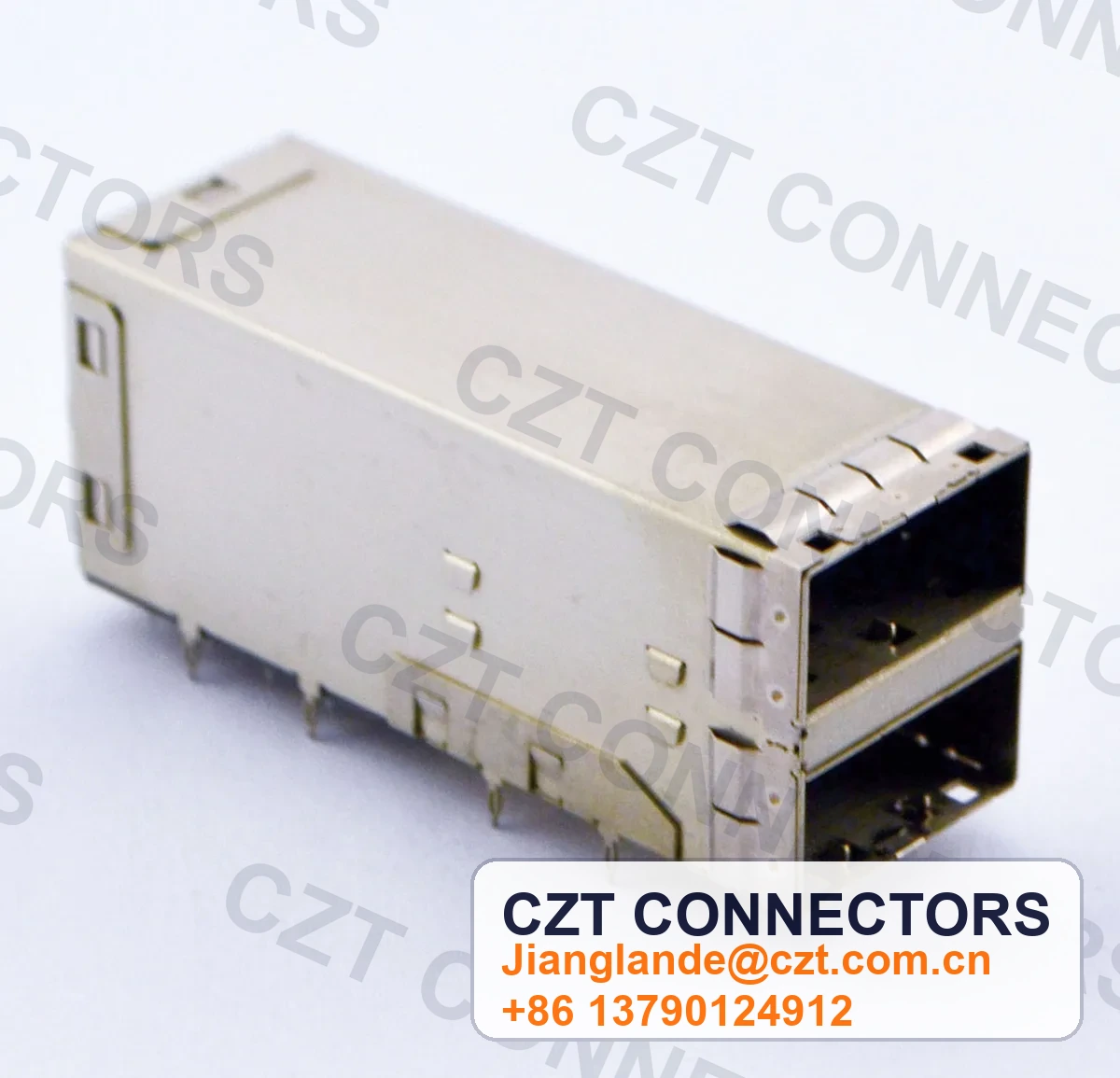
Fiber vs Copper in Data Centers — Cost, Speed & When to Use
Fiber wins on distance; copper wins on PoE and cost. Compare Cat6a, Cat8, OM4, and OS2 by latency, power, and upgrade path for real data center builds.
Read more
Engineering Guides
How to Read a Connector Datasheet: An Engineer's Guide
Learn how to read a connector datasheet. Covers electrical ratings, mechanical specs, environmental parameters, and how to interpret values for part selection.
Read more
Engineering Guides
How to Source Connectors from China: A Buyer's Guide
Learn how to source connectors from China. Covers how to find, evaluate, and partner with qualified Chinese connector manufacturers for reliable supply.
Read more
Engineering Guides
What Is a Busbar? Types, Specs & Applications for Engineers
Learn what a busbar is, how it works, and how to choose the right type. Covers specs, materials, and applications in power distribution, ESS, and EV systems.
Read more
Engineering Guides
What Is a Laminated Busbar? Design, Benefits & Applications
Learn what a laminated busbar is, how it works, and why it outperforms traditional busbars in inverters, ESS, EV power electronics, and high-current designs.
Read more
Engineering Guides
What Is a Pigtail Connector? Types and Applications
Learn what a pigtail connector is, explore electrical and fiber optic pigtail types, pigtailing outlets, pigtail splicing techniques, and how to choose the right one for your project.
Read more
Engineering Guides
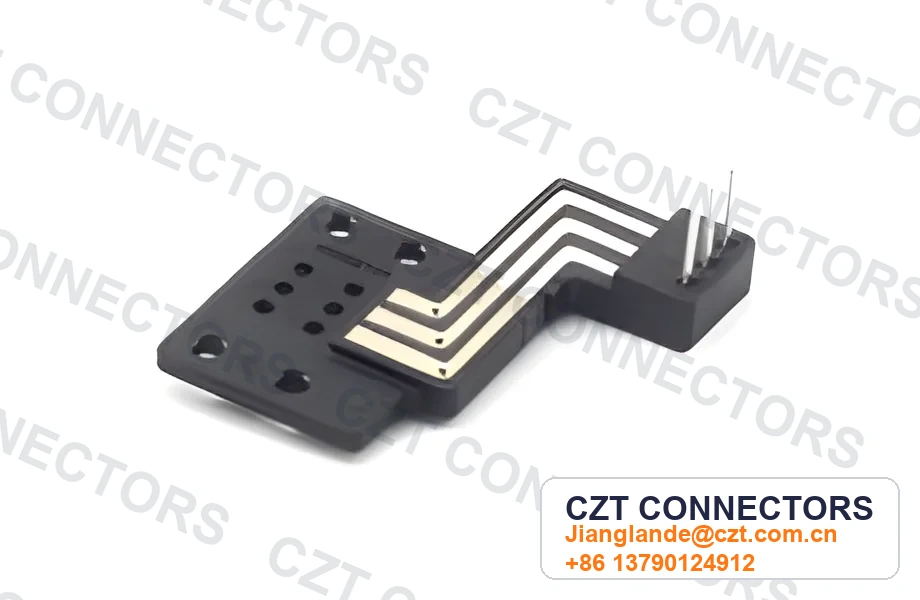
Wire Harness Design — Automotive & Industrial Best Practices
Learn wire harness design best practices for automotive and industrial applications, covering material selection, routing, testing, and common mistakes.
Read more
Need a Custom Connector Solution?
Our engineering team can help you find the right interconnect solution for your project.