All (297)I/O Connectors (21)Automotive & EV (56)Industrial (37)Fiber Optics (35)Solar & Energy (57)Engineering Guides (36)Networking (45)Networking & Fiber (4)Case Studies (3)Product Comparisons (3)
Solar & Energy
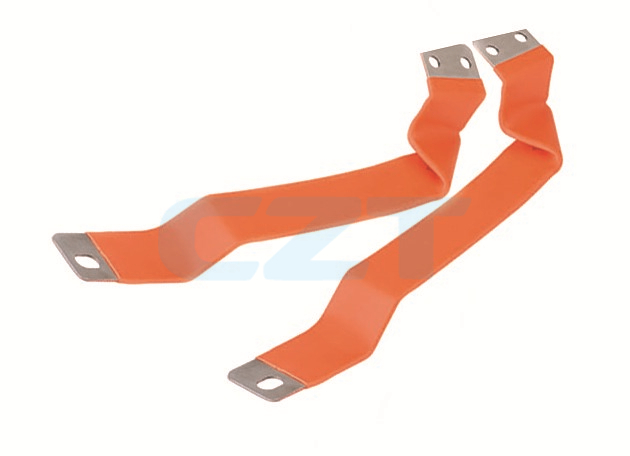
Slots and Oblong Holes in Battery Busbars: A Design Review Checklist
Slots and oblong holes can help a battery busbar accommodate assembly position variation, but they also change the conductor and joint geometry. Review...
Read more
Solar & Energy
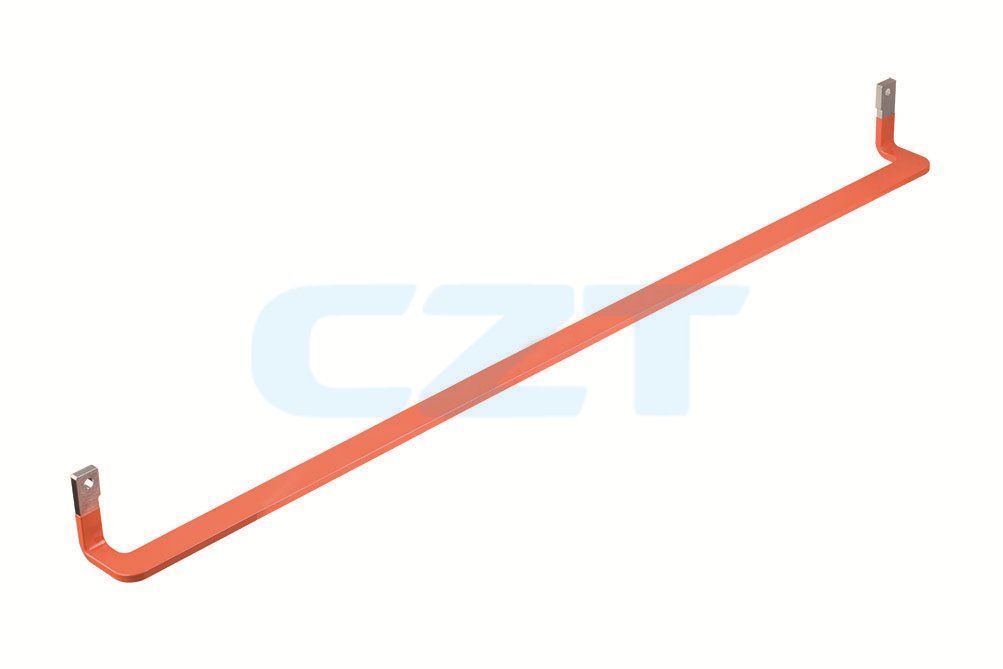
Controlling Hole and Terminal Position Tolerances in Bent Busbars
Control a bent busbar's terminal positions from functional assembly datums, not from a collection of independent dimensions on a flat pattern. The...
Read more
Solar & Energy
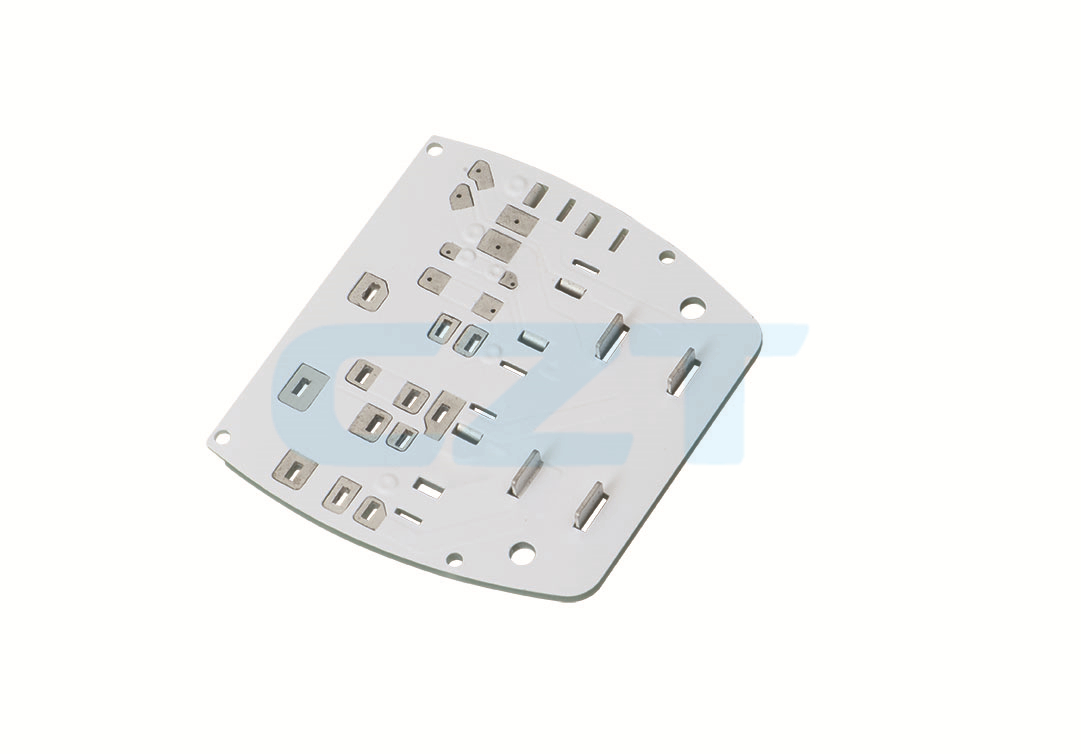
Busbar Engineering Changes: A Requalification Impact Matrix
A busbar engineering change should trigger a documented review of which previous evidence remains applicable. The necessary requalification depends on...
Read more
Solar & Energy
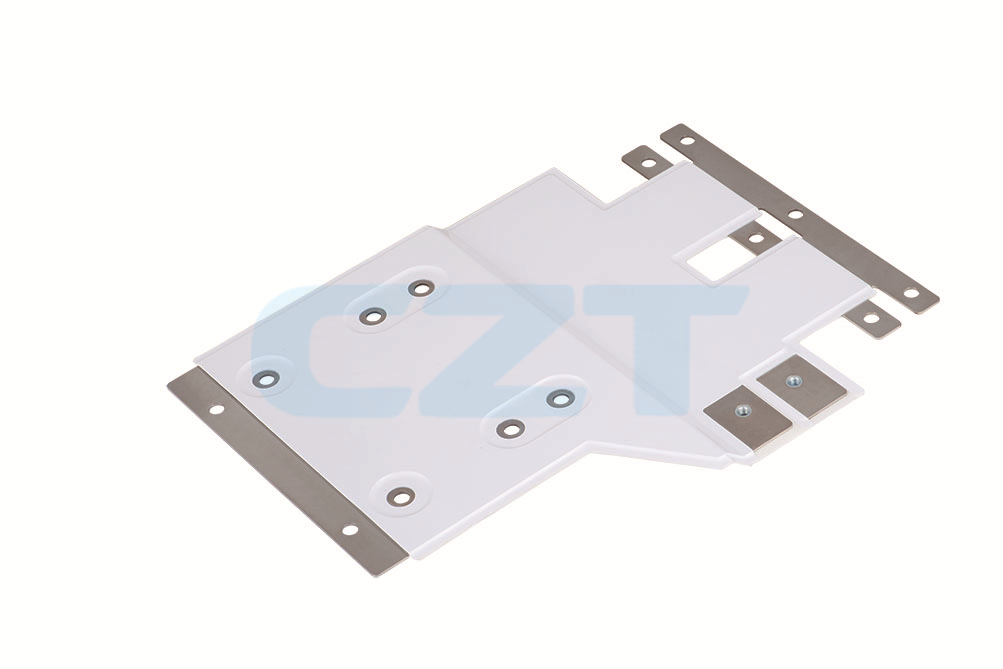
Diagnosing Busbar Dielectric Test Failures
A busbar dielectric-test failure needs a recorded test setup and a preserved specimen before the design is changed. Determine whether the event occurred...
Read more
Solar & Energy
ESS Busbar Incoming Inspection Plan: Dimensions, Resistance and Insulation
An incoming-inspection plan for ESS busbars should separate identity checks, critical dimensions, conductive-path measurements and insulation...
Read more
Solar & Energy
Busbar Insulation Edge Design Around Holes and Contact Areas
Busbar insulation edges should be designed around the actual conductive geometry, assembly tolerances and required electrical separation. Pay particular...
Read more
Solar & Energy
Troubleshooting Local Hotspots in ESS Busbars
A local hot spot on an ESS busbar should be investigated by comparing electrical loss, heat removal and installation condition at the affected location....
Read more
Solar & Energy
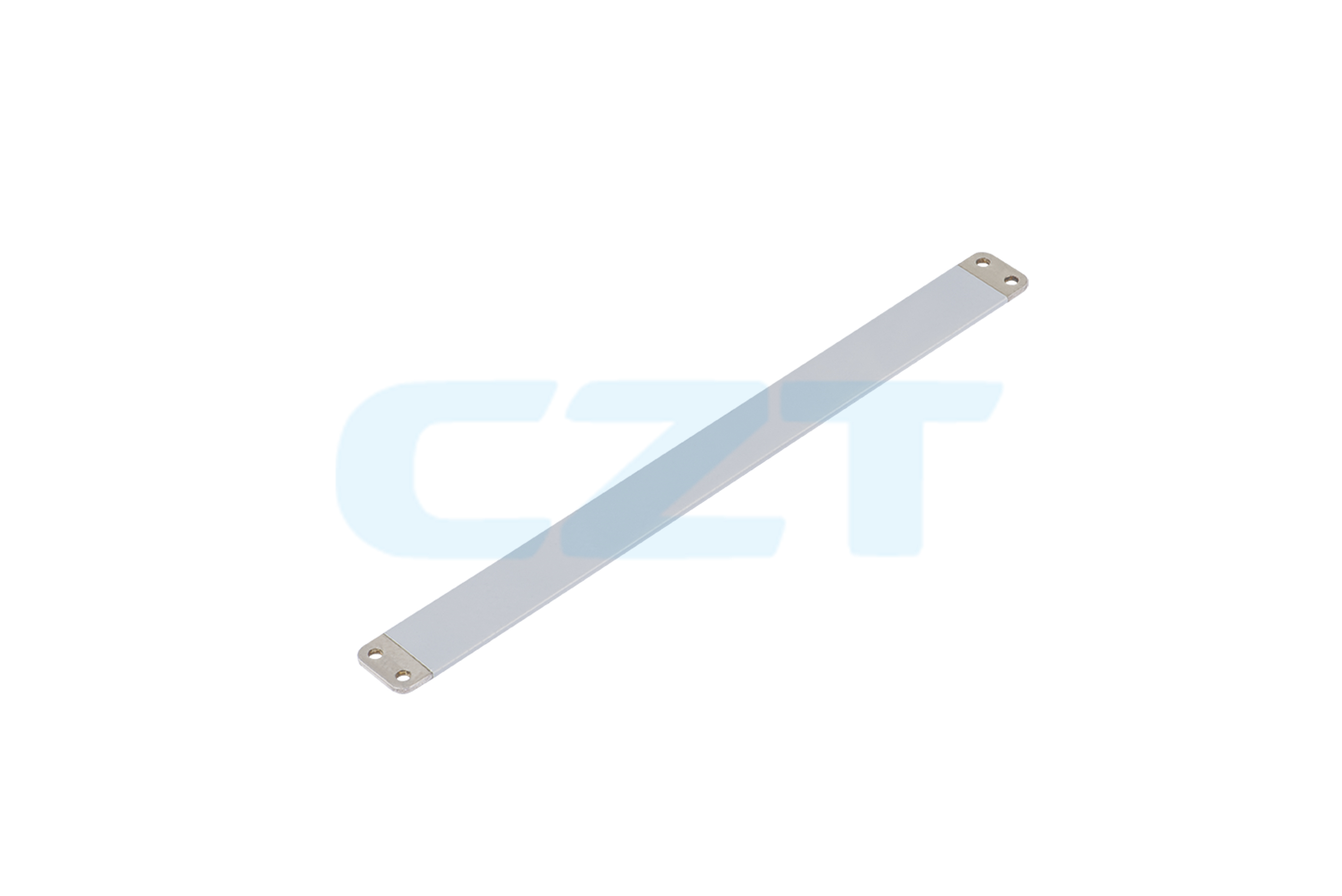
Specifying Bolt Torque for Busbar Joints in Procurement Drawings
A busbar-joint torque specification must identify the complete fastening system and assembly condition. A torque value copied from a bolt-size chart is...
Read more
Solar & Energy
Packaging Custom Busbars to Control Surface Damage and Deformation
Package a custom busbar around its vulnerable functional surfaces and its unsupported geometry. Contact faces, insulation edges and formed legs may need...
Read more
Solar & Energy
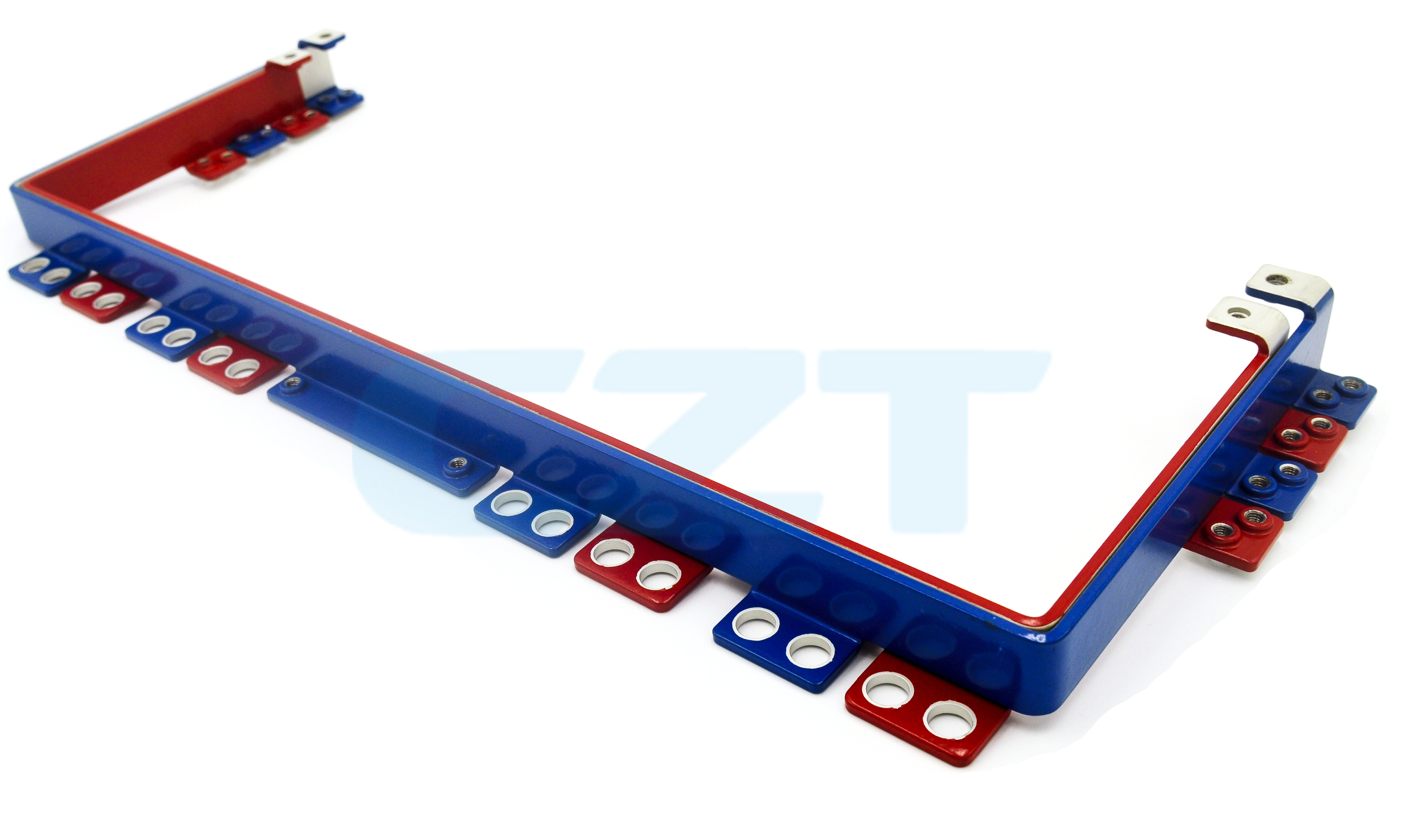
Preparing a Busbar Short-Circuit Withstand Test Specification
A busbar short-circuit-withstand specification must connect the fault duty to the complete installed conductor and support arrangement....
Read more
Solar & Energy
How to Build a Repeatable Busbar Temperature-Rise Test
A repeatable busbar temperature-rise test begins with a reproducible assembly and load condition. Record the conductor, joints, supports, enclosure and...
Read more
Solar & Energy
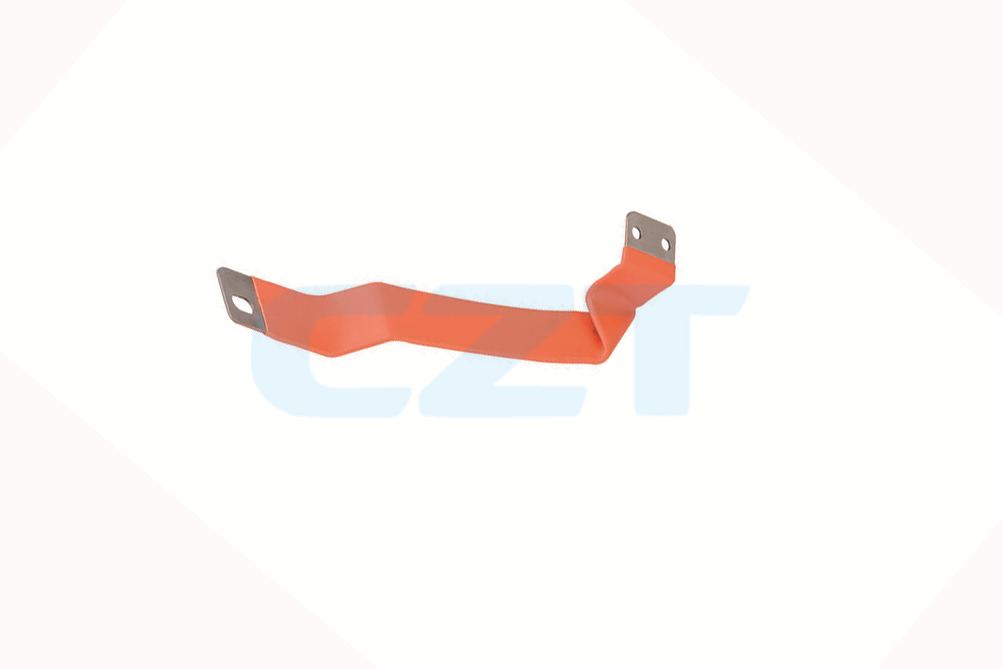
Allowing for Busbar Thermal Expansion in ESS Cabinets
An ESS busbar needs an intentional way to accommodate dimensional change between its electrical terminals and supporting structure. Review thermal...
Read more
Solar & Energy
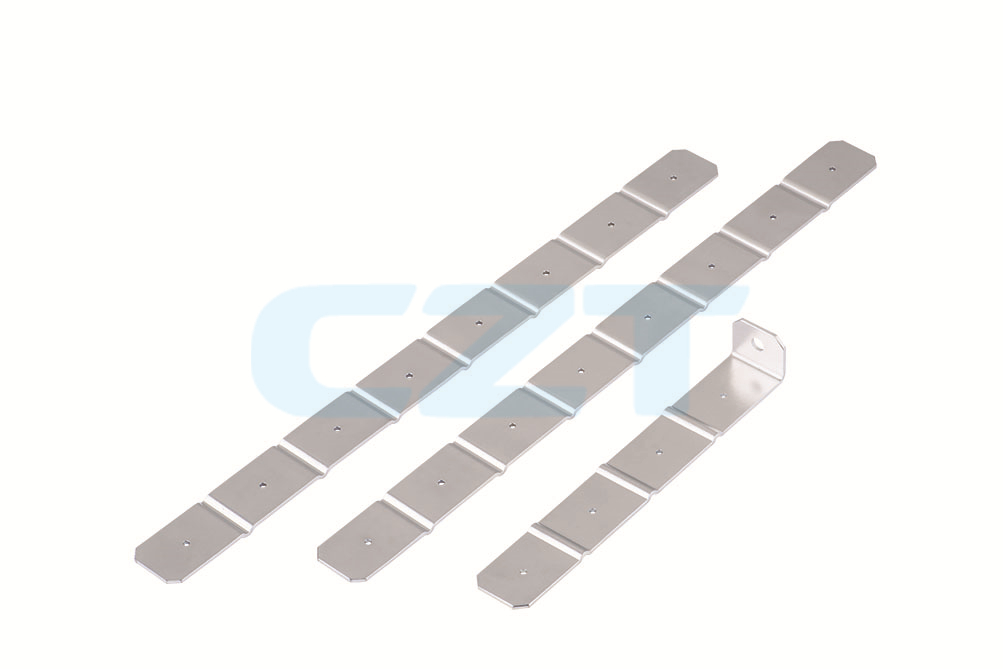
Qualifying Copper-to-Aluminum Busbar Transition Joints
Qualify a copper-to-aluminum busbar transition as a complete joint, including its surface system, hardware and environmental exposure. Material...
Read more
Solar & Energy
Custom Busbar RFQ Package: Comparable Drawings, Tests and Commercial Inputs
A comparable custom-busbar RFQ package defines one technical configuration, one evidence requirement and clear quantity scenarios. Without that common...
Read more
Solar & Energy
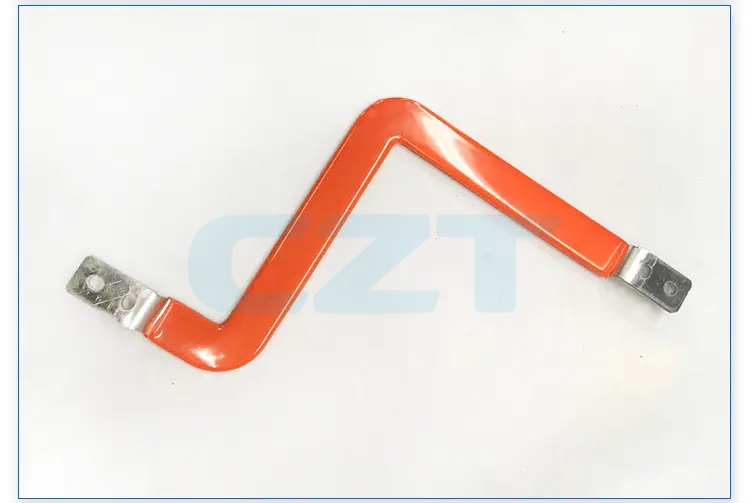
Serviceable ESS Busbar Covers: Access and Contact-Protection Review
A serviceable ESS busbar cover should preserve the required contact protection while allowing the intended inspection and maintenance tasks. Design the...
Read more
Solar & Energy
Specifying Repeated-Displacement Tests for Flexible Busbars
A repeated-displacement test for a flexible busbar must reproduce the movement the assembly is expected to experience. Define travel, direction, rotation...
Read more
Solar & Energy
Validating Laminated Busbar Stray Inductance
Laminated-busbar inductance is meaningful only when the current loop, measurement ports and frequency or switching condition are defined. A single...
Read more
Solar & Energy
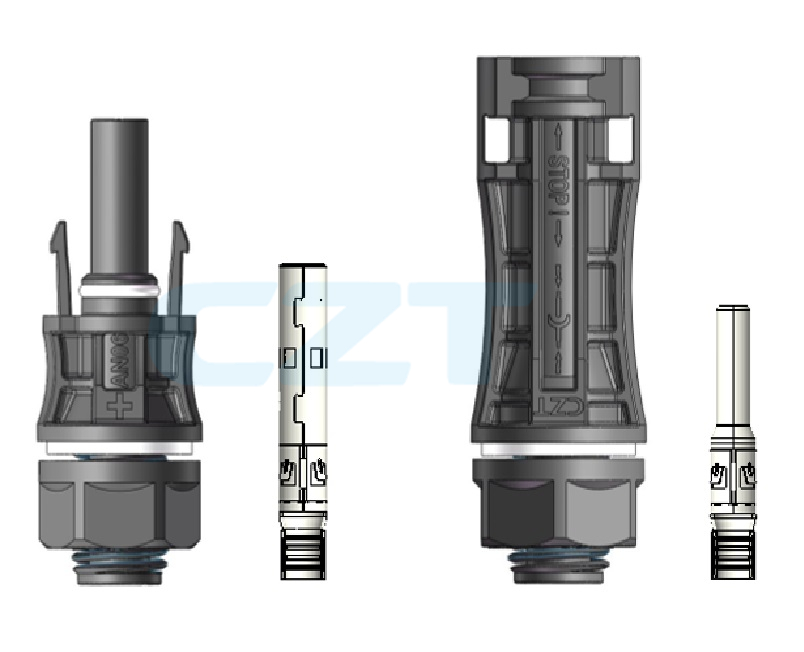
Designing Panel-Mount PV Connector Seals for Combiner Boxes
A panel-mounted PV connector seals reliably only when its connector geometry, sealing element, mounting hardware and enclosure panel are reviewed as one...
Read more
Solar & Energy
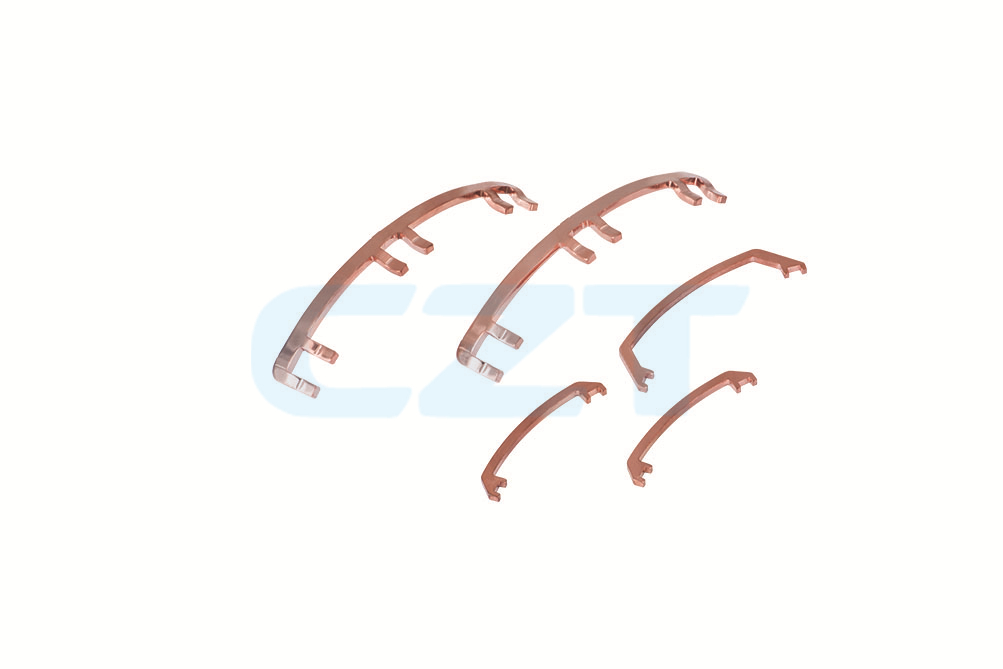
Parallel Busbar Current Sharing: Layout and Measurement Checklist
Parallel busbars should be reviewed as complete electrical paths, including their joints and connection locations. Equal bar cross-sections do not prove...
Read more
Solar & Energy
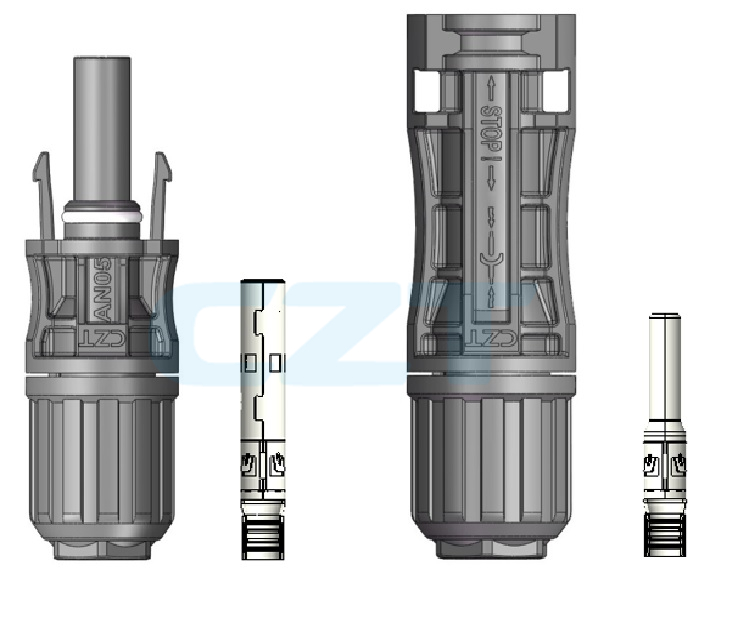
PV Connector Batch Traceability and Incoming Inspection Template
PV connector batch traceability works when each received lot can be connected to its supplier identity, component configuration and inspection record. A...
Read more
Solar & Energy
PV Connector and Cable-Assembly OEM RFQ Template
An OEM RFQ for a PV connector or cable assembly should define the purchased configuration clearly enough that suppliers quote the same deliverable. Start...
Read more
Solar & Energy
PV Connector Cable Retention and Side-Load Validation
Validate PV connector cable retention and side loading as different mechanical conditions. An axial pull test addresses a particular load direction; it...
Read more
Solar & Energy
Matching PV Connector Cable Seals to Cable Outside Diameter
Match a PV connector's cable seal to the cable's actual outside diameter and construction, including its tolerance. Conductor cross-sectional area is an...
Read more
Solar & Energy
Mapping PV Connector Certificates to the Purchased BOM
A PV connector certificate is useful only when its scope can be matched to the parts on the purchased BOM. A logo, supplier name or certificate number by...
Read more
Solar & Energy
PV Contact Crimp Validation: Microsection and Pull-Test Records
Validate a PV contact crimp as a specific combination of terminal, wire, tool and process settings. A visually compressed barrel or a successful...
Read more
Solar & Energy
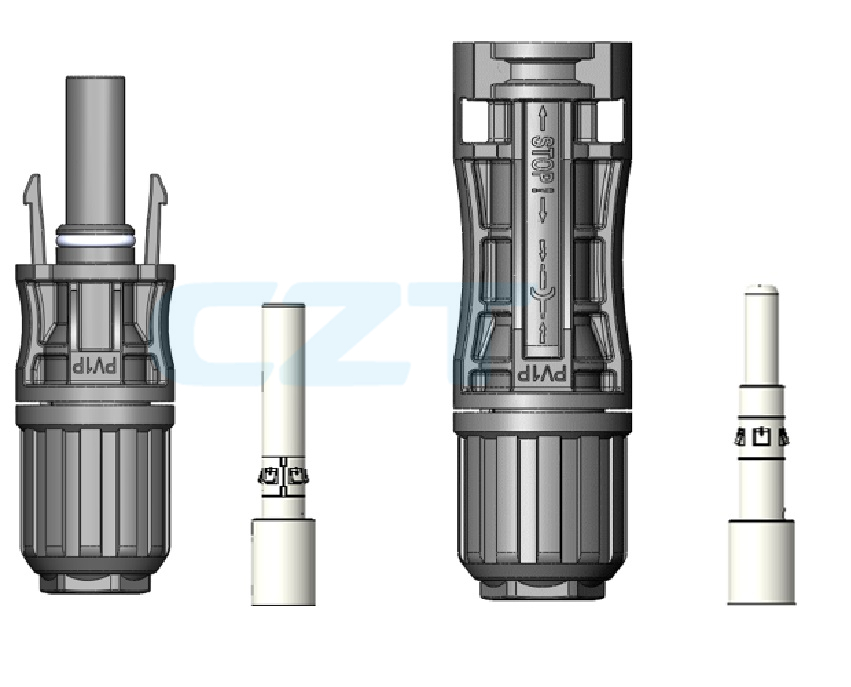
Selecting PV Connector Current Ratings at High Ambient Temperatures
Select a PV connector's current rating using its documented thermal conditions and the actual cable and installation environment. A headline current...
Read more
Solar & Energy
Four-Wire Contact Resistance Measurements for PV Connectors
Use a four-wire resistance measurement to separate the current-carrying leads from the voltage-sensing leads when evaluating a low-resistance PV...
Read more
Solar & Energy
Outdoor Aging Evidence for PV Connector Housings and Seals
Evaluate outdoor-aging evidence for the actual PV connector housing and seal materials, then connect the exposure results to the functions those...
Read more
Solar & Energy
PV Connector IP Reports: Mated State, Test Conditions and Scope
Read a PV connector's IP evidence as a statement about a specified assembled condition and test procedure. The mating state, cable seal, accessories and...
Read more
Solar & Energy
PV Connector Hot-Spot Returns: A Failure-Analysis Evidence Checklist
A hot-spot return from a PV connector is an investigation specimen. Preserve its identity and installed condition before deciding whether the cause was a...
Read more
Solar & Energy
Environmental Validation for PV Connectors in Coastal and Agricultural Projects
For coastal or agricultural PV projects, define the real environmental exposure before requesting a connector test report. A coastal location, a nearby...
Read more
Solar & Energy
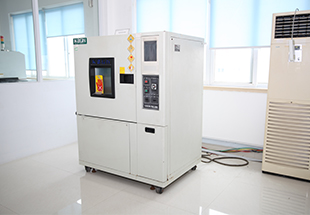
PV Connector Thermal-Cycling and Damp-Heat Acceptance Matrix
A PV connector thermal-cycling and damp-heat matrix should state the exposure sequence, sample history and post-exposure acceptance checks. Naming two...
Read more
Solar & Energy
How Cold-Weather Open-Circuit Voltage Affects PV Connector Selection
Review a PV connector's voltage suitability against the system's maximum relevant voltage, including the effect of low temperature on module open-circuit...
Read more
Solar & Energy
PV Fuse Connectors: Replacement and Fuse Documentation Review
A PV fuse connector should be reviewed as a fuse, holder or enclosed assembly, connector interface and cable system. Replacing only by current marking or...
Read more
Solar & Energy
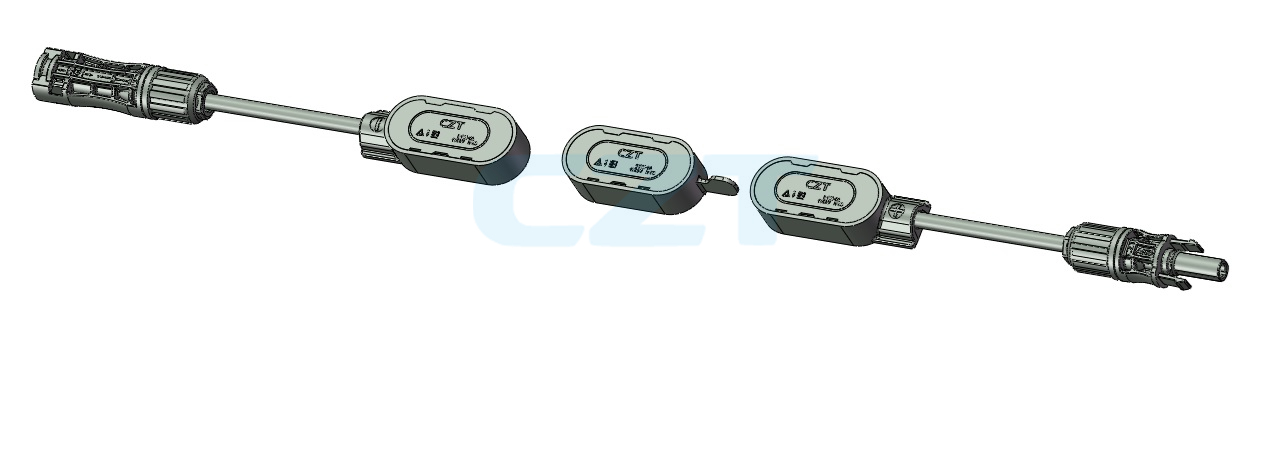
PV Junction-Box Bypass Diodes: A Thermal Evidence Checklist
A PV junction-box bypass diode needs thermal evidence from the actual assembled box, not only a diode current rating. The review should connect the...
Read more
Solar & Energy
PV Junction-Box Cable and Connector Interface Drawing Review
A PV junction-box interface drawing should define everything between the box's internal termination and the external mating connector. Its purpose is to...
Read more
Solar & Energy
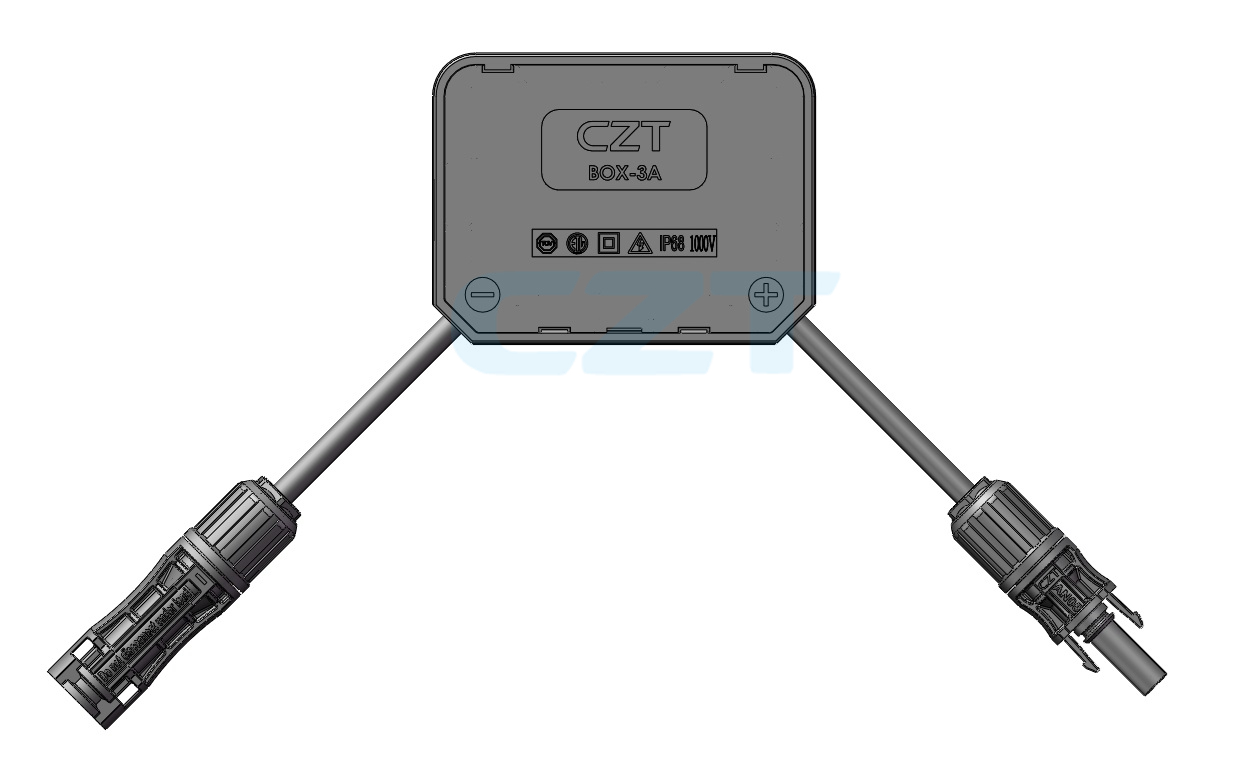
Validating Potting-Material Compatibility in PV Junction Boxes
Potting-material compatibility in a PV junction box must be demonstrated with the actual housing, components and production process. A resin's standalone...
Read more
Solar & Energy
Selecting Y-Branch Connectors for Parallel PV Strings
Select a PV Y-branch connector by the current and voltage conditions at every branch and at the shared outlet. Matching the individual string connector...
Read more
Solar & Energy
Tin-Plated Busbar Contact Zones: Drawing and Inspection Requirements
Specify a tin-plated busbar by identifying where the coating is required, what coating system is intended and how it will be inspected. The phrase tin...
Read more
Solar & Energy
Welded vs Bolted ESS Busbar Joints: A Manufacturing Decision Matrix
Choose between welded and bolted ESS busbar joints by comparing the actual manufacturing, inspection and service requirements. Neither method is...
Read more
Solar & Energy
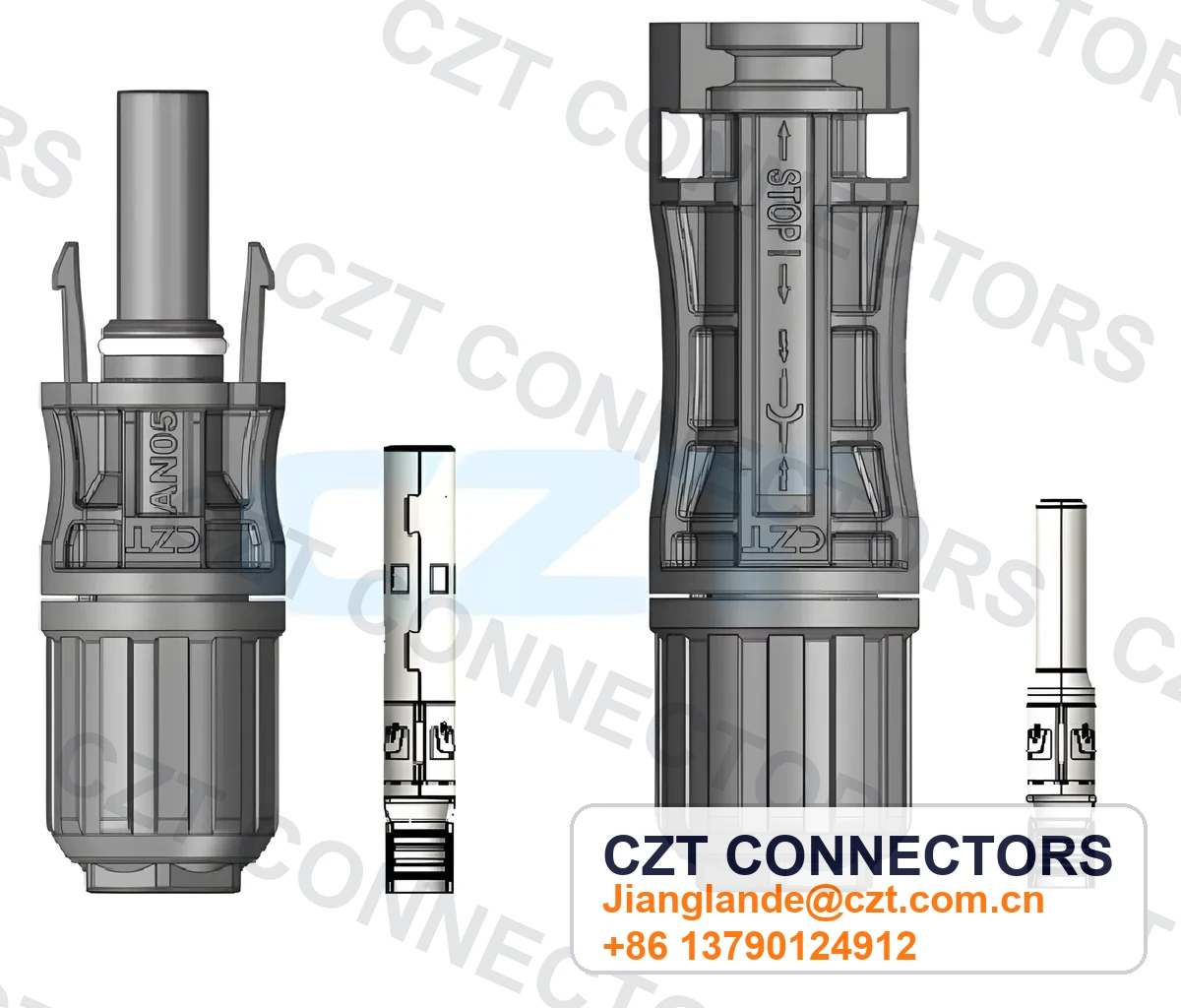
1500V PV Connector and Junction Box Selection Guide
How to choose 1500V PV connectors and junction boxes by current rating, IP68 sealing, cable size, contact resistance, impulse withstand, and module/string application.
Read more
Solar & Energy
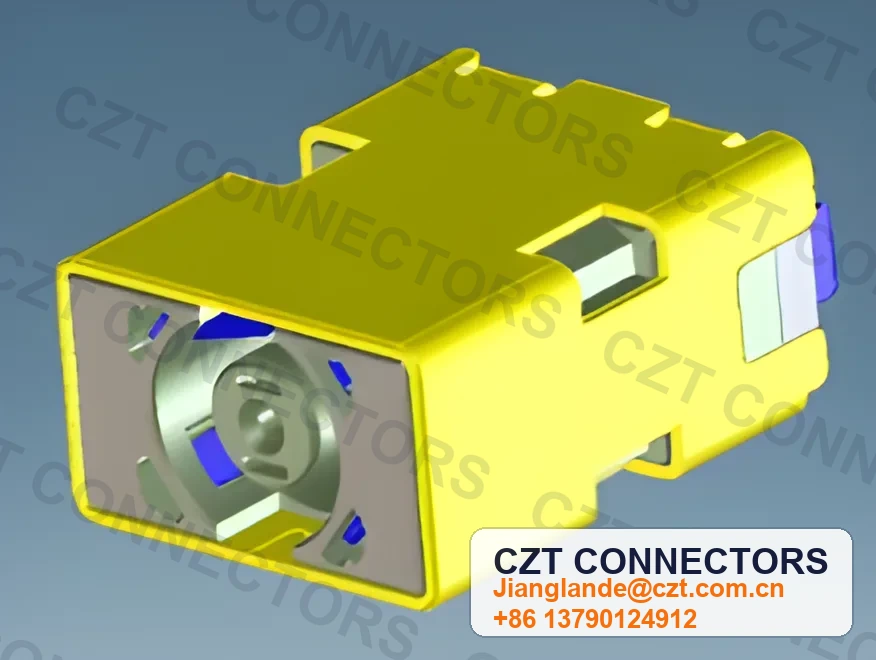
ESS Connector Selection Guide: Power, Signal, BMS and Waterproof Interfaces
Choose energy storage system connectors by system layer: high-current busbar, 1000V and 1500V DC power, waterproof RJ45/USB PCS signal lines, and BMS low-voltage collection connectors.
Read more
Solar & Energy
12V Busbar Guide: Wiring, Sizing & Installation
How to use a 12V busbar for automotive, marine, and off-grid wiring. Covers busbar sizing, fusing, wire gauge selection, and installation best practices.
Read more
Solar & Energy
3-Phase Busbar Systems: Design, Sizing & Applications
Complete guide to 3-phase busbar systems — design principles, current rating, insulation, busbar trunking, and applications in industrial and commercial power distribution.
Read more
Solar & Energy
Busbar Types: Copper, Aluminum, Laminated & More Explained
Compare busbar types — copper vs aluminum, flat vs tubular, solid vs laminated — and choose the right busbar for your application.
Read more
Solar & Energy
Insulated Busbar Guide: Types, Materials & Applications
Guide to insulated busbars — insulation types (heat-shrink, epoxy, PVC), voltage ratings, IP protection, and applications in switchgear, battery systems, and power electronics.
Read more
Solar & Energy
PV Connector Types — MC4, Amphenol H4 & Stäubli Guide
Compare PV connector types — MC4, Amphenol H4, and Stäubli MC4 — and learn which solar connectors are intermateable and which combinations to avoid.
Read more
Solar & Energy
PV Wire vs Solar Cable: Specs, Ratings & How to Choose
Compare PV wire vs solar cable: USE-2, PV1-F, and XLPE specs, voltage ratings, temperature ratings, UV resistance, and how to choose the right solar cable.
Read more
Solar & Energy
SAE Connector Guide — Solar, Automotive & Battery Uses
Learn how SAE connectors work: the polarized 2-pin standard for battery maintenance, solar trickle charging, and powersport applications, with specs and accessories.
Read more
Solar & Energy
Solar Panel Extension Cable: MC4 Wiring Guide
Guide to solar panel extension cables — MC4 connector sizing, wire gauge selection, maximum lengths, and installation tips for residential and commercial PV systems.
Read more
Solar & Energy
Solar Panel Wiring: Series vs Parallel Connections Explained
Learn how to wire solar panels in series vs parallel. Covers voltage and current calculations, string sizing, and choosing the right configuration for your PV system.
Read more
Solar & Energy
Flexible vs Rigid Busbar: Power Distribution Design Guide
Compare flexible and rigid busbars. Learn when to use each type, material options, current ratings, and design considerations for battery packs and ESS systems.
Read more
Solar & Energy
Solar PV Connector Types: MC4, H4, Stäubli & Compatibility
Learn the solar PV connector types: MC4, Amphenol H4, Stäubli MC4, and Tyco Solarlok. Covers compatibility rules and how to safely mix solar connectors.
Read more
Solar & Energy
Busbar vs Cable: When to Use Busbars in Power Distribution
Compare busbar vs cable across current capacity, cost, space & thermal performance. Learn when busbars outperform cables.
Read more
Solar & Energy
The Rise of Energy Storage: Busbar Design Considerations
Explore busbar design considerations for energy storage systems. Covers laminated busbars, thermal management, ESS architectures, and safety standards.
Read more
Solar & Energy
MC4 Connector 30A vs 45A vs 60A — Specs Compared
Which MC4 current class fits your solar system? Compare 30A, 45A, and 60A ratings by voltage, conductor size, and IEC 62852 compliance. Full specs table inside.
Read more
Solar & Energy
Solar Panel Connector Guide: MC4 Wiring & Best Practices
Learn how to wire solar panel connectors correctly. Covers MC4 wiring, series vs parallel configurations, installation best practices, and IEC safety standards.
Read more
Need a Custom Connector Solution?
Our engineering team can help you find the right interconnect solution for your project.