All (297)I/O Connectors (21)Automotive & EV (56)Industrial (37)Fiber Optics (35)Solar & Energy (57)Engineering Guides (36)Networking (45)Networking & Fiber (4)Case Studies (3)Product Comparisons (3)
Industrial
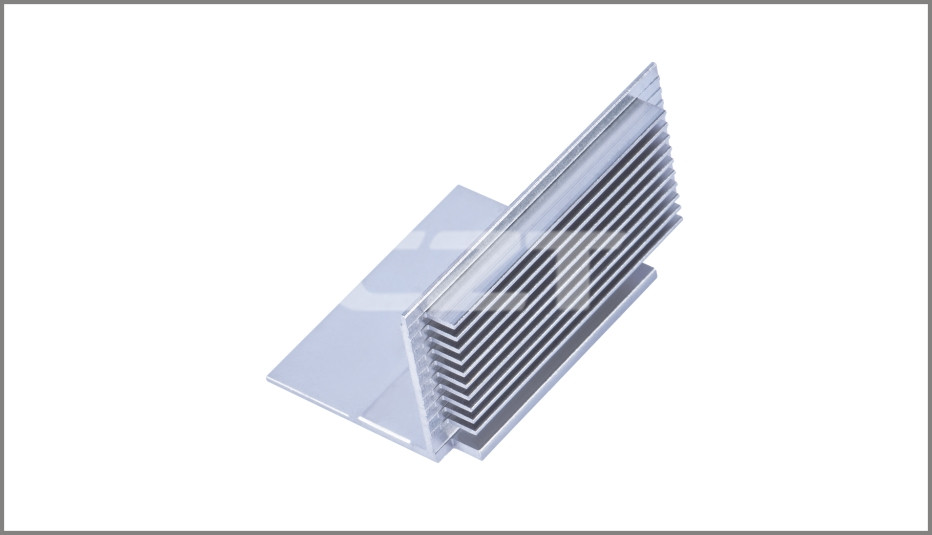
Masking and Ground-Contact Requirements for Anodized Heat Sinks
An anodized heat sink needs a surface-function map before its finish is specified. Some areas may need the coating for appearance or protection, while a...
Read more
Industrial
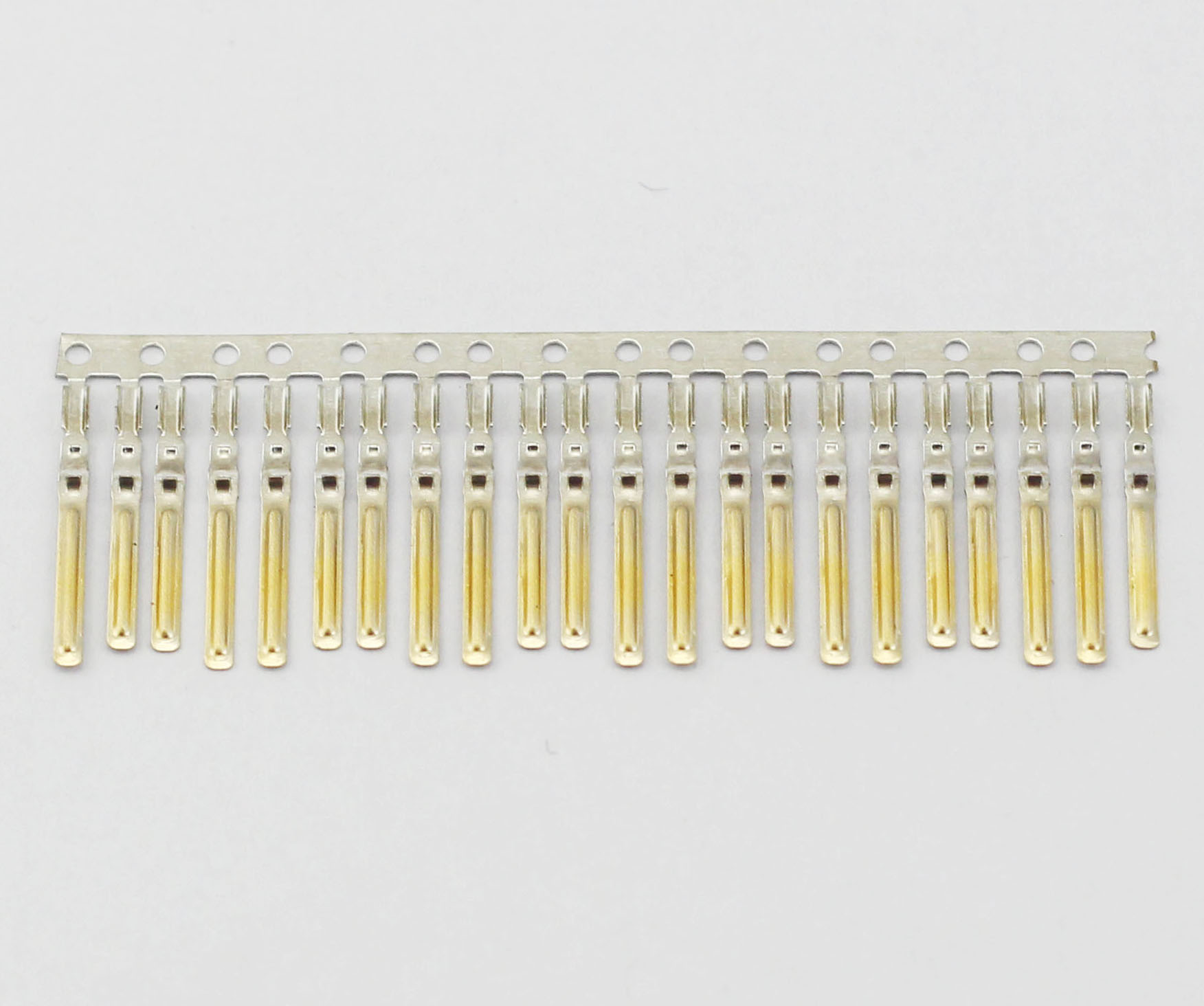
Specifying Contact Base Metal and Plating Stacks on Drawings
A connector plating specification should define the complete surface system, including the base material, intermediate layers, outer finish and the areas...
Read more
Industrial
Connector-Plating RFQ Comparison for Thickness, Inspection and Packaging
Comparable plating quotations need the same terminal drawing, finish definition, inspection scope and delivery condition. A low piece price may cover...
Read more
Industrial
Gold vs Tin vs Silver Connector Contacts: Choosing a Finish for Your Duty Cycle
Gold, tin and silver finishes should be compared against the contact's actual duty cycle rather than a general ranking of better and worse materials....
Read more

Industrial
Qualification Planning for Changes to Nickel Underplating
Changing a nickel intermediate layer can affect more than the finish's appearance. The layer is part of a complete contact and manufacturing system, so a...
Read more
Industrial
Evaluating Connector Contact Resistance after Corrosion Exposure
A connector can look acceptable after a salt-mist exposure while still requiring an electrical check. Visual inspection and contact resistance answer...
Read more

Industrial
Tracing Contact-Plating Defects to Process Lots and Retained Samples
Plating traceability should let an investigator move from a delivered terminal lot back to the operations that created its surface, and forward to the...
Read more
Industrial
Defining XRF Measurement Locations for Connector Plating Reports
An XRF thickness report is useful only when its measurement setup corresponds to the specified coating stack and the intended inspection location. A...
Read more
Industrial
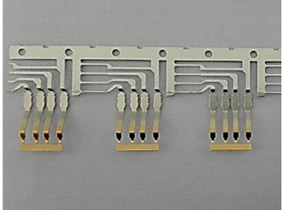
Linking Contact-Plating Wear Inspection to Mating-Cycle Tests
A contact-finish wear evaluation should link mating exposure to the measurements that matter for the connector. Counting insertion cycles alone does not...
Read more
Industrial
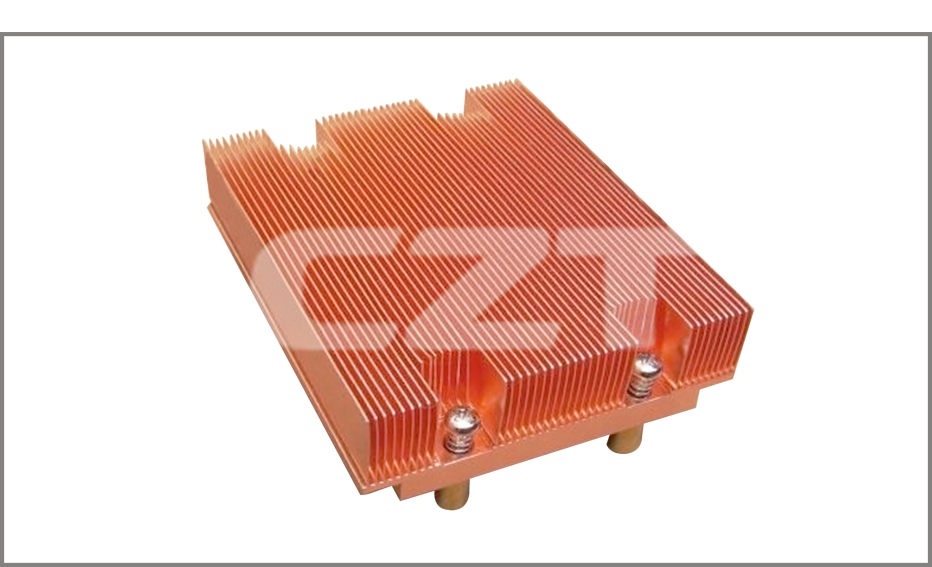
Custom Heat-Sink RFQ Data-Pack Template
A custom heat-sink quotation becomes easier to compare when every supplier receives the same thermal problem and the same finished-part definition. A...
Read more
Industrial
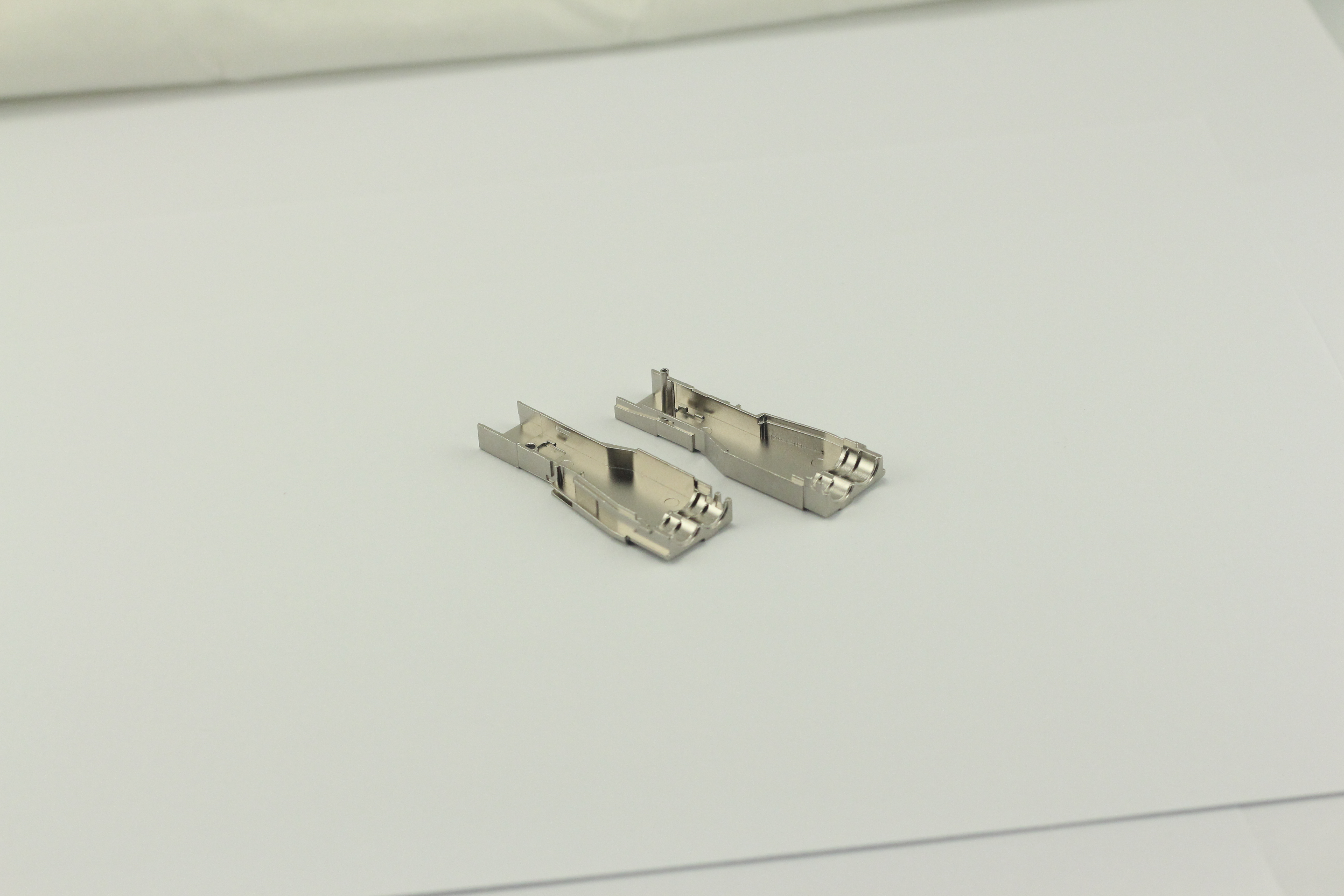
Defining Mating Datums and Critical Dimensions for Die-Cast Connector Housings
A connector housing should be dimensioned from the interfaces that locate and retain the mating component. Convenient outside surfaces are not always the...
Read more
Industrial
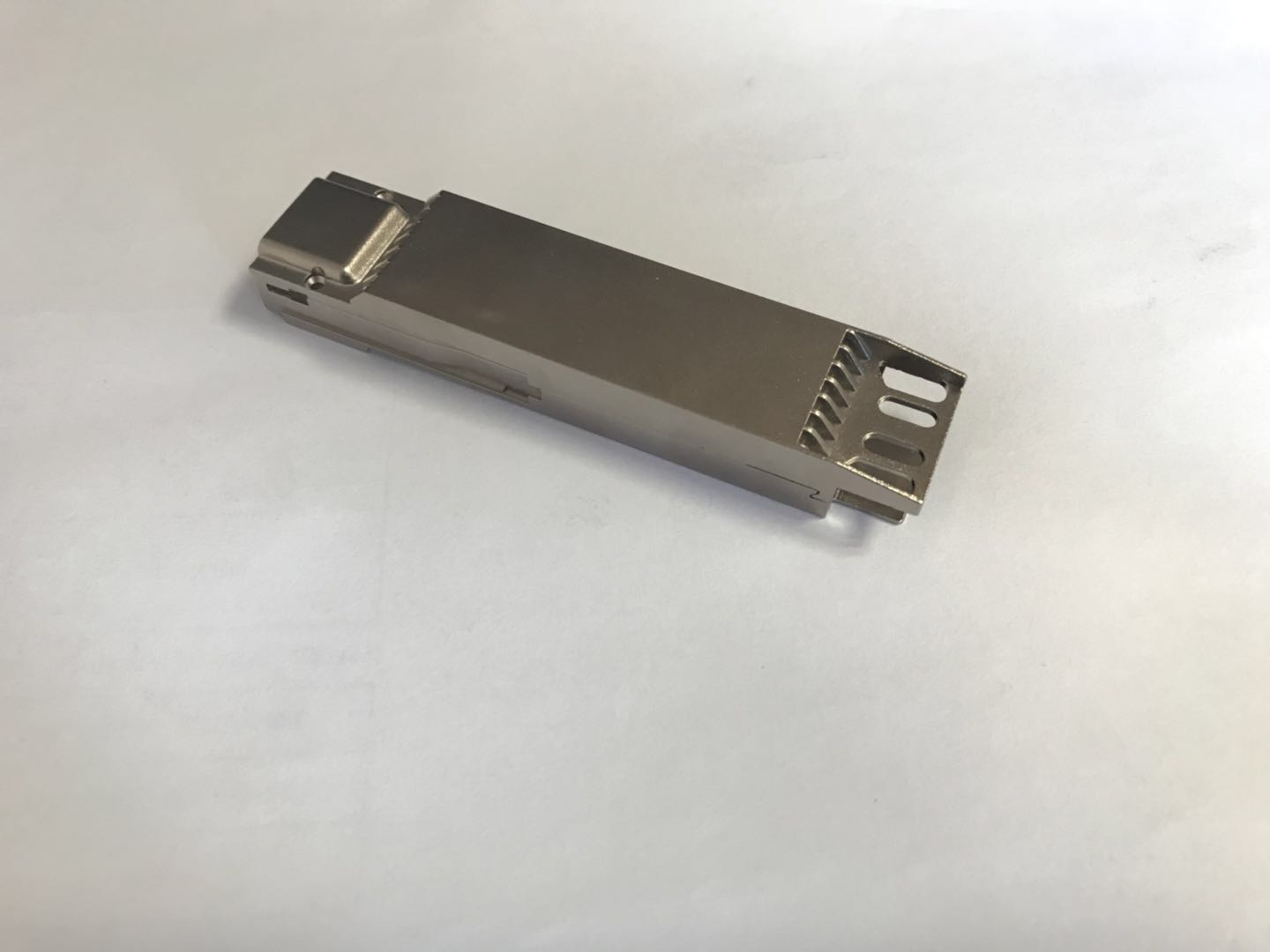
Defining Porosity and Leak Requirements for Sealed Die-Cast Enclosures
A sealed die-cast enclosure needs separate requirements for internal discontinuities and for actual leakage. The two are related, but they are not...
Read more
Industrial
Acceptance Planning for Threads and Inserts in Die-Cast Housings
A threaded hole or insert in a die-cast enclosure should be accepted as part of a fastening joint. Thread engagement alone does not establish retention,...
Read more
Industrial
Material Evidence Buyers Need for Aluminum or Zinc Die-Cast Parts
An aluminum-versus-zinc die-casting decision should begin with the required alloy designation and the finished component's function. A generic material...
Read more
Industrial
Confirming CNC Fixturing Datums for Die-Cast Blanks
The transition from a die-cast blank to CNC machining should preserve the component's functional relationships. A machining fixture needs repeatable...
Read more
Industrial
Cosmetic Limit Samples for Die-Cast Parts before Coating or Plating
A casting's appearance should be evaluated in the condition in which the customer will use or receive it. Finishing can reveal, cover or change the...
Read more
Industrial
Reviewing Parting Lines, Draft and Cosmetic Faces in Die-Cast Drawings
A useful die-casting drawing shows where the die opens, which surfaces must release, and which faces have controlled appearance or function. Parting...
Read more
Industrial
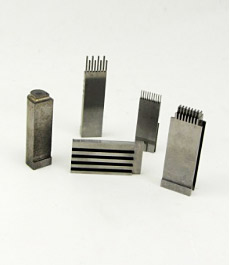
Reviewing Die-Casting Tool Quotes: Cavities, Maintenance and Ownership
A die-casting tool quotation should describe the production system the tool is expected to support. Cavity count, maintenance responsibilities and the...
Read more
Industrial
Evidence Pack from Die-Casting Trials to Production First Articles
Trial-tool samples and production first articles answer different questions. Early samples help refine the tool and component definition; production...
Read more
Industrial
DFM Review for Die-Cast Wall Thickness, Ribs and Heavy Sections
Wall thickness, ribs and bosses should be reviewed as a connected casting system. Adding material can improve a local mechanical section while making...
Read more
Industrial
Extruded, Die-Cast or Skived Heat Sinks: A Manufacturing Decision Matrix
Extrusion, die casting and skiving can produce very different heat-sink geometries, so process selection should follow the required shape and assembly...
Read more
Industrial
Comparing Natural-Convection and Fan-Cooled Heat Sinks in Enclosures
Choosing between natural convection and fan cooling requires an enclosure comparison, not a comparison between two attractive heat-sink shapes. Both...
Read more
Industrial
Reviewing Heat-Sink Base Flatness Together with TIM Thickness
Heat-sink base flatness and thermal-pad thickness should be reviewed together because the interface must accommodate the assembled gap while maintaining...
Read more
Industrial
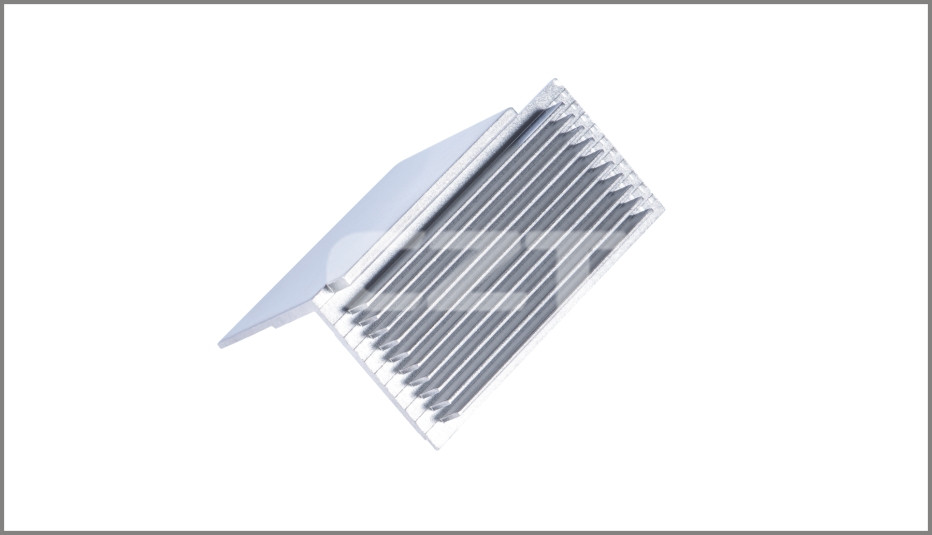
Machinability Review for Heat-Sink Fin Spacing and Mounting Holes
Fin spacing and screw-hole placement need to be checked together because the available tool path, fastening access and airflow all occupy the same...
Read more
Industrial
Checking Heat-Sink Fastener Retention after Thermal Cycling
Thermal cycling can expose changes at a heat-sink mounting interface even when the sink itself remains intact. A useful evaluation therefore looks at...
Read more
Industrial
Building a Thermal-Resistance Budget Before Heat-Sink Selection
A heat sink should be selected against a thermal budget, not by its external dimensions alone. Start with the maximum allowable component temperature,...
Read more
Industrial
Creating a Repeatable Comparison Test for Two Heat-Sink Candidates
Two heat sinks can be compared fairly only when the test isolates the differences that matter. Using the same heater power is necessary, but it is not...
Read more
Industrial
Integrating a Heat Sink into an LED Driver Enclosure
An LED-driver enclosure can also act as a heat sink, but combining the functions requires more than adding external fins. The design must move heat from...
Read more
Industrial
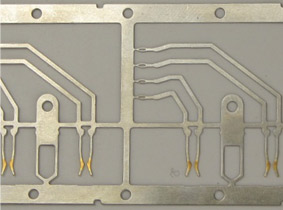
Writing Selective-Plating Zones and Masking Tolerances
Selective plating needs a controlled boundary between differently finished regions. That boundary should be related to the functional contact zone and...
Read more
Industrial
Checking Solderability of Tin-Plated Contacts after Storage
Tin-plated terminals that have been stored should be evaluated using their actual storage and handling history. A date code alone does not establish...
Read more
Industrial
Sheet Metal Busbar Fabrication: Design & Material Guide
Guide to sheet metal busbar fabrication — stamping, bending, plating, material selection, and design rules for EV, ESS, and power distribution applications.
Read more
Industrial
Wire Splice Connectors: Types, Ratings & Selection
Compare wire splice connector types — butt splices, solder sleeves, lever connectors, wire nuts. Specs and selection for automotive and industrial use.
Read more
Industrial
Electrical Connection Types — Crimp, Solder & More
Compare crimp, solder, terminal block, push-in, and wire nut connections. Learn which electrical connection method suits your application and environment.
Read more
Industrial
Quick Connect Wire Connectors: Push-In, Lever & Wago Guide
Compare quick connect wire connectors: push-in, lever (Wago 221) & wire nuts. Choose the right tool-free connector for your project.
Read more
Industrial
Types of Electrical Plugs — A Global Power Guide
Every electrical plug type worldwide: Type A through N, voltage and frequency standards, adapter compatibility, and country reference.
Read more
Industrial
M12 Connector Guide: Coding Types, Pinouts & Applications
Learn the M12 connector coding types, pinouts, and mounting styles. Covers A, B, D, X, and S coding, IP67/IP68 ratings, and industrial application selection.
Read more
Industrial
Terminal Block Types: A Selection Guide for Engineers
Compare all screw, spring, barrier, DIN rail, PCB & pluggable terminal block types side by side. Specs, pros/cons, and selection criteria for engineers.
Read more
Need a Custom Connector Solution?
Our engineering team can help you find the right interconnect solution for your project.